Easy Marinated Cheese Recipe (Perfect for Entertaining!)
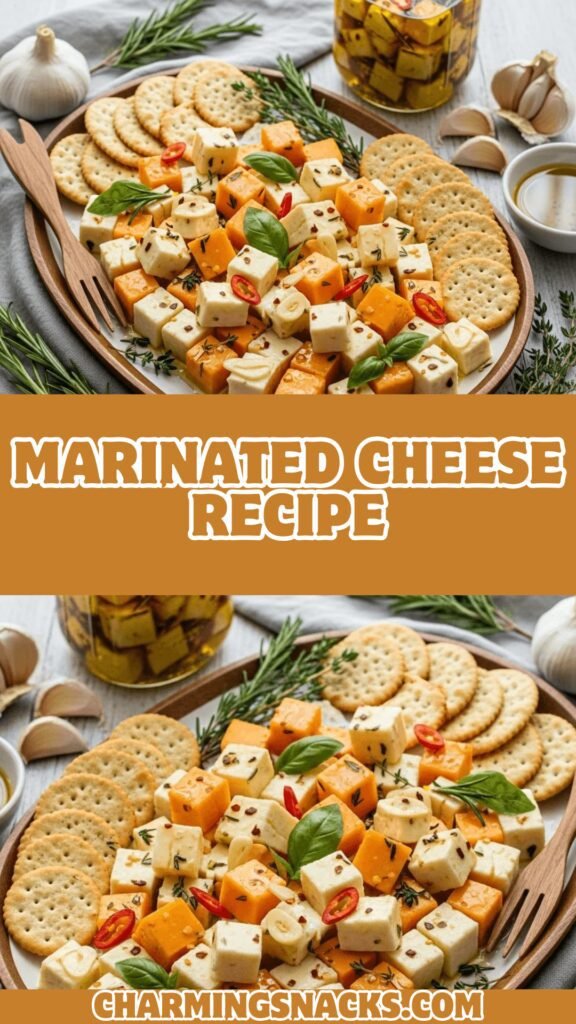
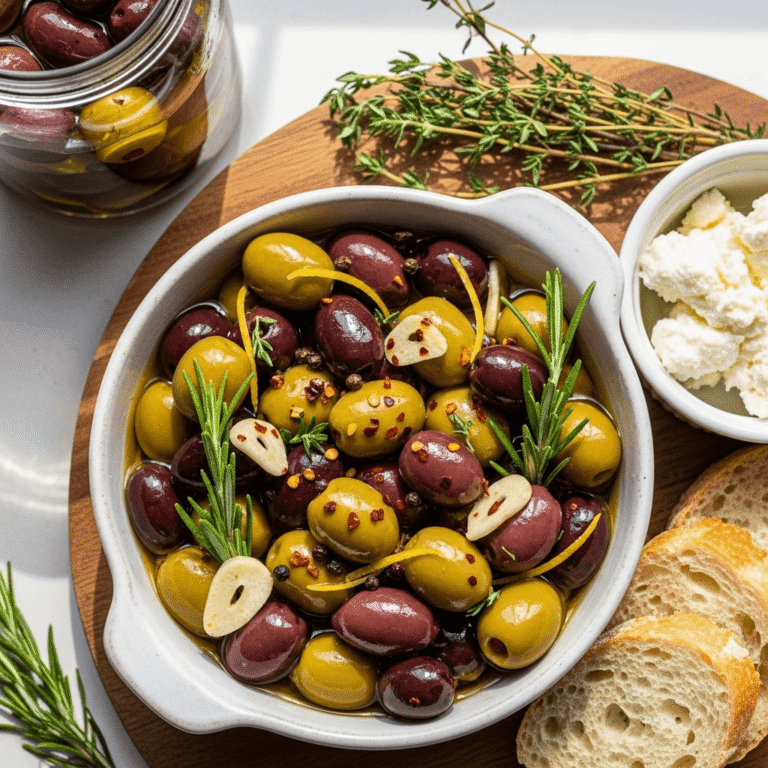
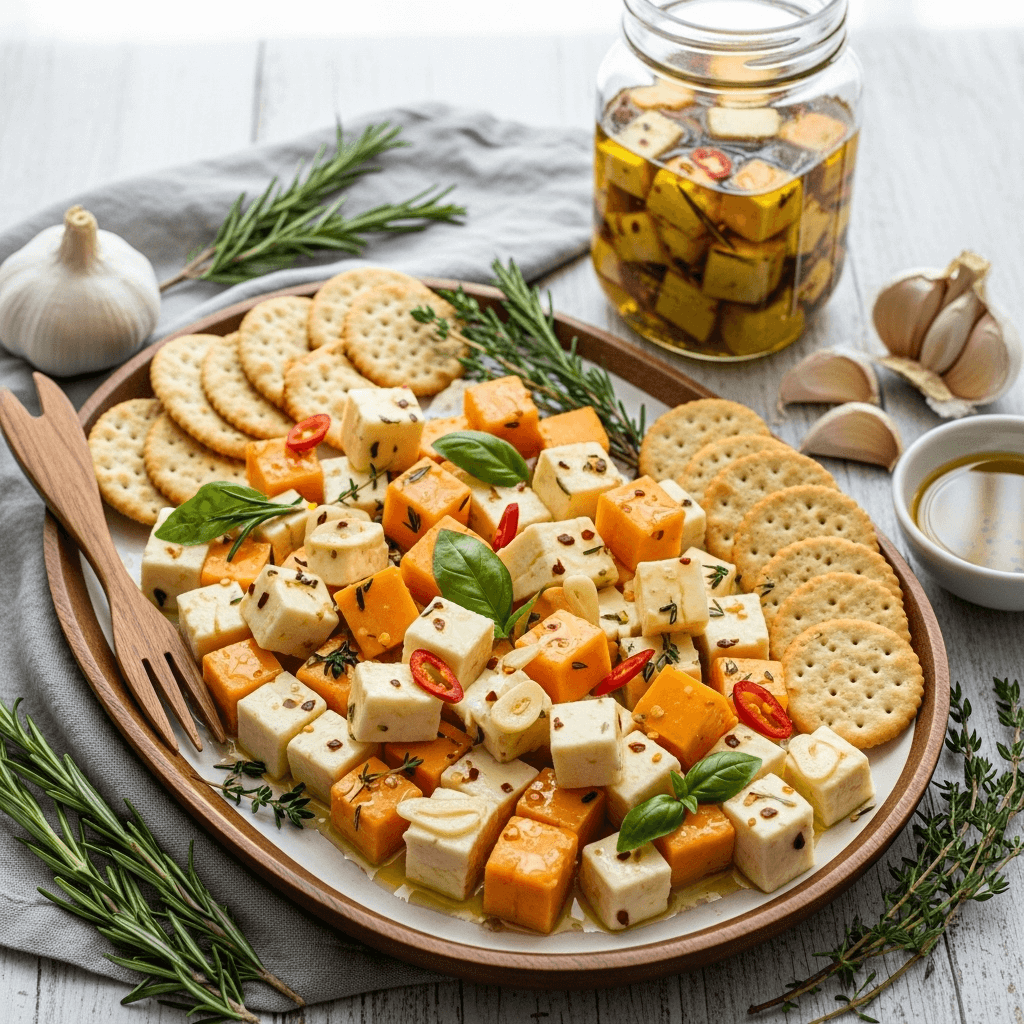
If you’re searching for an effortlessly elegant appetizer that looks like you spent hours in the kitchen but actually takes just minutes to prepare, this Marinated Cheese Recipe is your new best friend! Imagine beautiful cubes of cheese swimming in a flavorful bath of herbs, garlic, and quality olive oil—it’s a show-stopping appetizer that gets better with every passing hour as those incredible flavors deepen and meld together.
This easy marinated cheese appetizer has become a viral sensation on Pinterest and for good reason. It’s the ultimate make-ahead dish that transforms simple blocks of cheese into something truly special. Perfect for holiday gatherings, wine and cheese nights, game day spreads, summer picnics, or any occasion where you want to impress guests without the stress, this recipe delivers maximum flavor with minimal effort.
What makes this marinated cheese so irresistible is the combination of tangy, creamy cheese infused with aromatic herbs, punchy garlic, and sometimes a kick of red pepper flakes, all brought together with luxurious olive oil. Serve it with crackers, crusty bread, or fresh vegetables, and watch it disappear faster than you can say “cheese board.” The best part? This make-ahead marinated cheese actually tastes better after sitting for a day or two, making it the ultimate stress-free entertaining solution.
History / Background
The tradition of preserving cheese in oil dates back centuries across Mediterranean and Middle Eastern cultures, where olive oil was abundant and refrigeration was not. In regions like Greece, Italy, Lebanon, and Turkey, families would preserve fresh cheeses like feta, halloumi, and various soft cheeses in olive oil infused with herbs and spices. This technique served two purposes: extending the shelf life of the cheese and infusing it with incredible flavor.
In Italian cuisine, you’ll find “formaggio sott’olio” (cheese under oil), where small balls of mozzarella or chunks of aged cheese are preserved in jars of herb-infused olive oil. Greek cuisine offers “feta sto fourno,” where feta is marinated and often baked with herbs and olive oil. Lebanese cuisine features labneh (strained yogurt cheese) preserved in olive oil with za’atar and garlic.
The modern American version of marinated cheese that’s swept through Pinterest and food blogs in recent years is an evolution of these ancient preservation techniques, adapted for entertaining rather than long-term storage. The trend really exploded around 2018-2019 when food bloggers started sharing their versions of herb-marinated cheese cubes, perfect for cheese boards and charcuterie platters. The visual appeal—those gorgeous glass jars filled with cheese cubes, herbs, and golden olive oil—made them instantly Instagram and Pinterest-worthy.
Today’s marinated cheese recipe typically uses a combination of cheeses like mozzarella, cheddar, and Monterey Jack, marinated with Italian herbs, garlic, and sometimes a splash of vinegar or lemon for brightness. It’s become a staple at potlucks, holiday parties, and tailgates across America, representing the perfect fusion of old-world preservation techniques and modern entertaining needs.
Why You’ll Love This Recipe
This marinated cheese appetizer truly checks every box for the perfect party food, combining impressive presentation with foolproof preparation. The transformation that happens as the cheese absorbs those aromatic flavors is nothing short of magical, and your guests will be absolutely amazed.
Here’s why this recipe deserves a permanent spot in your entertaining arsenal:
- Make-Ahead Miracle: Prepare it 1-3 days in advance and let the flavors develop while you tackle other party prep—no last-minute stress!
- Ridiculously Easy: If you can cut cheese into cubes and shake a jar, you can make this recipe. Seriously, it’s that simple
- Budget-Friendly: Uses affordable block cheeses from any grocery store, making it much more economical than fancy pre-made cheese boards
- Impressive Presentation: Looks absolutely stunning in glass jars or on serving platters, making guests think you’re a gourmet chef
- Customizable: Easily adapt the herbs and spices to match your taste preferences or what you have in your pantry
- No Cooking Required: Zero time spent over a hot stove—perfect for summer entertaining or busy holiday seasons
- Crowd-Pleaser: Everyone loves cheese, and the herb-infused flavors appeal to a wide range of palates
- Versatile Serving: Works as an appetizer, on charcuterie boards, at picnics, or even as a flavorful addition to salads and pasta
- Long Shelf Life: Keeps for up to 2 weeks in the refrigerator, so you can enjoy it long after the party ends
- Gift-Worthy: Package in pretty jars with ribbons for thoughtful homemade holiday gifts that friends will actually love
Ingredient Notes
Understanding your ingredients ensures the best flavor development in your marinated cheese. Here’s what you need to know about each component:
Cheese Selection: The foundation of this recipe! Use a combination of cheeses for the best flavor and texture variety. Mozzarella (the block kind, not fresh mozzarella) provides mild creaminess, sharp cheddar adds tangy depth, and Monterey Jack or Colby Jack brings smooth meltability. You can also use pepper jack for heat, provolone for Italian flair, or gouda for smokiness. Always use block cheese and cut it yourself—pre-cut cheese cubes are coated with anti-caking agents that prevent proper marinade absorption.
Extra Virgin Olive Oil: This is the carrier for all your flavors, so quality matters! Use a good extra virgin olive oil with a flavor you enjoy. You don’t need the most expensive bottle, but avoid bland, flavorless oils. The oil will thicken and solidify when refrigerated—this is completely normal and the oil will return to liquid at room temperature. If olive oil isn’t your preference, you can substitute avocado oil or a neutral oil, though you’ll lose some of that classic Mediterranean flavor.
Fresh Garlic: Essential for that aromatic, punchy flavor. Fresh garlic cloves are far superior to pre-minced jarred garlic here. Thinly slice or mince the garlic—the more surface area exposed, the more flavor it imparts. Use 3-5 cloves depending on how much you love garlic (we always go heavy!).
Fresh Herbs: While dried herbs work in a pinch, fresh herbs create a more vibrant, aromatic marinade. Rosemary, thyme, basil, and oregano are classic choices. Fresh parsley adds color and freshness. Use what you love or what’s available in your garden. Each herb brings its own personality—rosemary is piney and robust, thyme is earthy and subtle, basil is sweet and aromatic.
Red Pepper Flakes: Adds a gentle heat and visual interest with those pretty red flecks. Adjust the amount based on your heat preference, or omit entirely for a mild version. Crushed red pepper is widely available and shelf-stable.
Dried Herbs and Spices: Italian seasoning, dried basil, dried oregano, and garlic powder supplement and intensify the fresh herb flavors. These dried elements continue to infuse flavor over time. You can create your own Italian seasoning blend or use store-bought.
Acid Component (Optional but recommended): A splash of red wine vinegar, white wine vinegar, or fresh lemon juice brightens the flavors and cuts through the richness of the oil and cheese. Just 1-2 tablespoons makes a noticeable difference without making the marinade taste acidic.
Salt and Black Pepper: Simple seasonings that enhance all the other flavors. Since cheese is already salty, taste your marinade before adding too much salt. Freshly cracked black pepper adds the best flavor and visual appeal.
Equipment Needed
This recipe requires minimal equipment, making it accessible for any home cook:
- Sharp knife: For cutting cheese blocks into uniform cubes
- Cutting board: Preferably one designated for cheese to avoid flavor transfer
- Large glass jar with tight-fitting lid (quart-size or larger): Mason jars work perfectly and look beautiful for presentation
- Measuring cups and spoons: For accurate ingredient quantities
- Small bowl: For mixing the marinade if you prefer to combine ingredients before pouring
- Wooden spoon or spatula: For stirring ingredients together
- Serving platter or shallow bowl: For presenting the marinated cheese attractively
- Airtight containers: If not using mason jars, any glass or plastic containers with secure lids work well
Optional but helpful:
- Cheese slicer or wire: For creating uniform cheese cuts
- Pretty serving bowls: For an elevated presentation
- Small spreaders or cheese knives: For guests to serve themselves
- Decorative jars: If making these as gifts
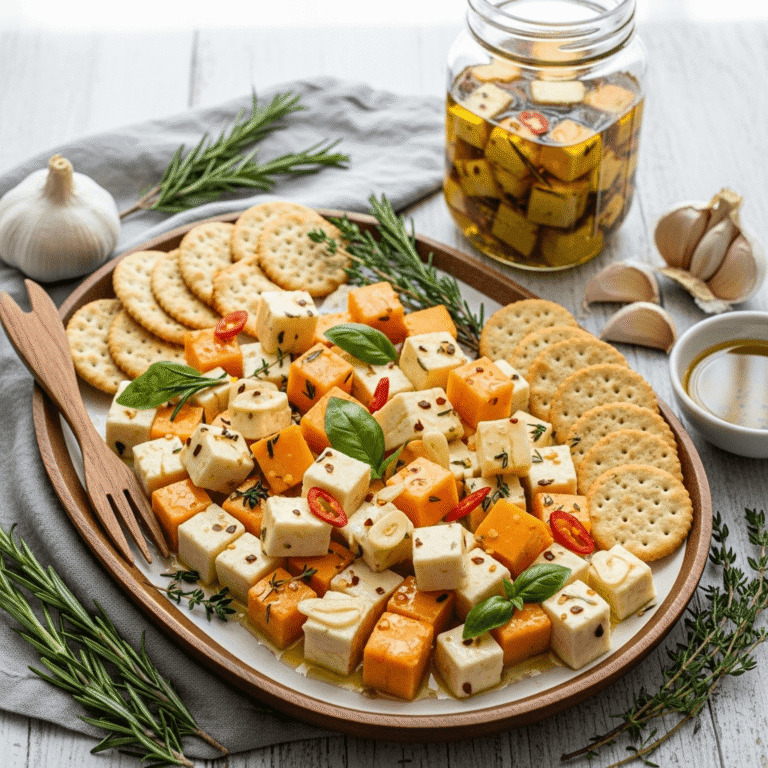
Easy Marinated Cheese Recipe
Easy marinated cheese cubes infused with garlic, fresh herbs, and olive oil. This make-ahead appetizer is perfect for entertaining and gets more flavorful the longer it sits!
- Total Time: 15 minutes
- Yield: 12 servings 1x
Ingredients
- 8 oz block mozzarella cheese, cut into ½-inch cubes
- 8 oz block sharp cheddar cheese, cut into ½-inch cubes
- 8 oz block Monterey Jack or Colby Jack cheese, cut into ½-inch cubes
- 1 cup extra virgin olive oil (plus more if needed to cover cheese)
- 4-5 cloves garlic, thinly sliced or minced
- 2 tablespoons fresh rosemary, chopped (or 1 tablespoon dried)
- 2 tablespoons fresh thyme leaves (or 1 tablespoon dried)
- 2 tablespoons fresh basil, chopped (or 1 tablespoon dried)
- 1 tablespoon fresh parsley, chopped
- 1 tablespoon Italian seasoning
- 1 teaspoon red pepper flakes (adjust to taste)
- 1 teaspoon dried oregano
- ½ teaspoon garlic powder
- ½ teaspoon black pepper, freshly cracked
- ¼ teaspoon salt (optional, taste first)
- 2 tablespoons red wine vinegar or fresh lemon juice (optional)
Instructions
- Prepare the cheese: Using a sharp knife and cutting board, cut all three cheese blocks into uniform ½-inch cubes. Try to keep the sizes consistent so they marinate evenly. You should have approximately 6-7 cups of cheese cubes total.
- Layer in jar: Place all the cheese cubes into a large, clean glass jar (quart-size or larger works well) or a large bowl with a tight-fitting lid. You want the cheese to fit comfortably without being overly packed—there should be room for the marinade to flow around all the pieces.
- Prepare the marinade: In a medium bowl, combine the olive oil, sliced garlic, fresh rosemary, thyme, basil, parsley, Italian seasoning, red pepper flakes, dried oregano, garlic powder, black pepper, and salt if using. Whisk together until well combined. If using vinegar or lemon juice, add it now and whisk thoroughly.
- Pour marinade over cheese: Slowly pour the herb and oil mixture over the cheese cubes in the jar, ensuring you distribute the herbs and garlic evenly throughout. The oil should completely cover the cheese—add a bit more olive oil if needed. Use a wooden spoon to gently stir and press down, making sure all cheese pieces are submerged and there are no air pockets.
- Seal and marinate: Secure the lid tightly on the jar. Gently turn the jar upside down and right-side up a few times to distribute the marinade. Refrigerate for at least 4 hours, but preferably overnight or up to 3 days. The longer it marinates, the more flavorful it becomes.
- Shake periodically: Every few hours (or whenever you think of it), give the jar a gentle shake or turn it upside down to redistribute the oil and herbs. This ensures even flavor distribution.
- Bring to room temperature before serving: Remove the marinated cheese from the refrigerator 30-45 minutes before serving. The olive oil will have solidified in the cold—letting it come to room temperature will return the oil to liquid form and make the flavors more pronounced. Transfer to a serving bowl or platter.
- Serve and enjoy: Serve the marinated cheese with crackers, sliced baguette, pita chips, or fresh vegetables. Provide small forks or toothpicks for easy serving. Drizzle some of the herb-infused oil over the cheese for extra flavor and visual appeal.
Notes
- Oil Solidification: The olive oil will solidify when cold—this is completely normal! Just bring to room temperature before serving.
- Cheese Coverage: The cheese must be completely submerged in oil for food safety and proper marination. Add more oil if needed.
- Flavor Development: This tastes good after 4 hours but absolutely incredible after 24-48 hours of marinating.
- Fresh vs. Dried Herbs: Fresh herbs provide the best flavor, but you can substitute with dried herbs using about half the amount.
- Customization: Feel free to adjust herbs and spices to your preference—this recipe is very forgiving and flexible.
- Serving Temperature: Always serve at room temperature for the best texture and flavor.
- Prep Time: 15 minutes
- Cook Time: 0 minutes
- Category: Appetizer
- Method: No-Cook
- Cuisine: American
- Diet: Vegetarian
Nutrition
- Serving Size: ½ cup marinated cheese
- Calories: 285
- Sugar: 1g
- Sodium: 320mg
- Fat: 25g
- Saturated Fat: 9g
- Unsaturated Fat: 15g
- Trans Fat: 0g
- Carbohydrates: 2g
- Fiber: 0g
- Protein: 12g
- Cholesterol: 40mg
Tips & Variations
Cheese Combinations:
- Italian Style: Use mozzarella, provolone, and asiago with extra basil and oregano
- Spicy Version: Add pepper jack cheese, extra red pepper flakes, and a diced jalapeño
- Smoky Twist: Include smoked gouda, smoked cheddar, and a pinch of smoked paprika
- Greek-Inspired: Use feta chunks, add kalamata olives, sun-dried tomatoes, and extra oregano
- Sharp & Tangy: Use all sharp cheddar varieties with extra garlic and a splash of apple cider vinegar
Herb Variations:
- Provençal: Use herbs de Provence, lavender, and thyme for a French countryside vibe
- Mexican-Inspired: Add cilantro, lime zest, cumin, and diced jalapeños
- Ranch Style: Mix in dried dill, chives, parsley, and a touch of onion powder
- Mediterranean: Include za’atar spice blend, sumac, and fresh mint
- Garden Fresh: Load up on whatever fresh herbs you have growing—dill, chives, cilantro, sage
Add-Ins for Extra Flavor:
- Sun-dried tomatoes (chopped)
- Roasted red peppers (diced)
- Kalamata or green olives (sliced)
- Capers for briny tang
- Lemon zest for brightness
- Balsamic vinegar for depth
- Honey for a sweet-savory contrast
Dietary Modifications:
- Dairy-Free: Use plant-based cheese alternatives (flavor and texture will differ)
- Lower Fat: Use reduced-fat cheese blocks and less oil (won’t be as rich but still tasty)
- Nut-Free: This recipe is naturally nut-free
- Paleo: Skip this one—cheese isn’t paleo-compliant
Pro Chef Tips
Cut Uniform Cubes for Even Marination: Professional chefs know that consistency in size matters. Cut your cheese into uniform ½-inch cubes so every piece marinates evenly. Smaller pieces will absorb flavor faster but may become too strong, while larger pieces take longer to develop flavor throughout.
Use Room Temperature Cheese for Easier Cutting: Cold cheese straight from the fridge can be crumbly and difficult to cut cleanly. Let your cheese blocks sit at room temperature for 10-15 minutes before cutting—they’ll slice much more smoothly and you’ll get neater cubes with fewer crumbles.
Toast Your Dried Spices: Here’s a restaurant secret that makes a huge difference—toast your dried herbs and spices in a dry skillet over low heat for 1-2 minutes before adding them to the marinade. This awakens their essential oils and intensifies their flavors dramatically. Be careful not to burn them!
Bruise Fresh Herbs to Release Oils: Before adding fresh herb sprigs to your marinade, bruise them by gently twisting or pressing them between your fingers. This breaks down the cell walls and releases more aromatic oils into the marinade, creating deeper, more complex flavors.
Layer Flavors for Depth: Don’t just dump everything in at once. Start with garlic and heartier herbs like rosemary at the bottom, add cheese, then top with delicate herbs like basil. This creates layers of flavor complexity as different elements infuse at different rates.
The Patience Principle: While 4 hours is the minimum marinating time, professional chefs know that 48-72 hours is the sweet spot where flavors fully meld and deepen. If you can plan ahead and make this 2-3 days before your event, you’ll be rewarded with extraordinarily flavorful cheese.
Strain and Save That Oil: The herb-infused oil left over after you’ve finished the cheese is liquid gold! Strain it and use it for salad dressings, drizzling over vegetables, dipping bread, or sautéing. It’s packed with flavor and too precious to waste.
Quality Over Quantity: Use the best olive oil you can afford. Since oil is the primary flavor carrier here, cheap, flavorless oil will produce bland results. Look for cold-pressed, extra virgin olive oil with a harvest date within the past year.
Common Mistakes to Avoid
Not Submerging the Cheese Completely: This is the most critical error! If any cheese pieces are exposed to air, they can develop mold or dry out. The oil acts as a protective barrier and flavor vehicle—every piece must be fully covered. Add more oil if necessary to ensure complete coverage.
Using Pre-Shredded or Pre-Cut Cheese: Those convenient pre-cut cheese cubes are coated with cellulose (an anti-caking agent) that prevents the marinade from penetrating the cheese. You’ll end up with oily cheese cubes instead of marinated ones. Always buy block cheese and cut it yourself for proper absorption.
Adding Too Much Salt: Cheese is already quite salty, especially aged varieties. Many people over-salt the marinade, resulting in an unpleasantly briny final product. Taste your marinade and add salt sparingly—you can always add more when serving, but you can’t take it away.
Serving Straight from the Refrigerator: Cold cheese has a muted flavor and an unpleasant, waxy texture. The solidified olive oil is also not appetizing. Always bring your marinated cheese to room temperature (30-45 minutes out of the fridge) before serving for the best taste and texture.
Storing in Plastic Containers Long-Term: While plastic containers work for short-term storage, olive oil can absorb plastic flavors over time and plastic may leach into the oil. For marinating longer than a few days, always use glass containers. They’re also much prettier for presentation!
Not Rotating the Jar: If you just set it in the fridge and forget about it, the herbs and garlic can settle to one side, leading to uneven flavor distribution. Give the jar a gentle shake or rotation at least once a day during marination to ensure every cheese cube gets equal exposure to the aromatics.
Rushing the Marinating Process: While technically edible after a few hours, rushing this recipe means missing out on the magic. The flavor transformation that happens between hour 4 and hour 48 is remarkable. Plan ahead and give the cheese time to work its magic—your patience will be rewarded!
Storage & Meal Prep
Refrigerator Storage: Store your marinated cheese in an airtight container or sealed jar in the refrigerator for up to 2 weeks. The key to longevity is keeping the cheese completely submerged in oil at all times—the oil acts as a preservative. If you notice the oil level dropping as you consume the cheese, add more olive oil to keep everything covered.
Food Safety Considerations: Always use clean utensils when removing cheese from the jar to prevent bacterial contamination. Never “double-dip” or use fingers to grab pieces. The garlic in oil should be stored refrigerated to prevent the rare but serious risk of botulism. Never leave garlic-infused oil at room temperature for extended periods.
Optimal Serving Temperature: For the best flavor and texture, remove the marinated cheese from the refrigerator 30-45 minutes before serving. The olive oil will return to liquid form and the cheese will soften slightly, releasing maximum flavor. If you’re in a hurry, you can speed this up by placing the sealed jar in a bowl of warm (not hot) water for 10-15 minutes.
Leftover Management: If you’ve transferred the cheese to a serving bowl for a party, don’t return it to the original jar after it’s been at room temperature for extended periods. Instead, store leftovers in a fresh container with fresh oil if needed. Cheese that’s been at room temperature for more than 4 hours should be refrigerated promptly and consumed within 3-4 days.
Daily Rotation: During the first week of storage, give your jar a gentle shake or rotation once daily. This redistributes the herbs and oil, ensuring even flavor development. After the first week, the flavors have fully melded and this becomes less critical.
Oil Preservation: The herb-infused oil is just as valuable as the cheese! When you’ve finished the cheese, strain the oil through a fine-mesh sieve into a clean jar. Store this flavored oil in the refrigerator for up to 2 weeks and use it in salad dressings, for dipping bread, or drizzling over cooked vegetables and meats.
Make-Ahead & Freezer Notes
Ultimate Make-Ahead Appetizer: This is hands-down one of the best make-ahead recipes for entertaining! In fact, it must be made ahead to allow those flavors to develop. The ideal timeline is to prepare your marinated cheese 2-3 days before your event. This gives the cheese time to absorb maximum flavor while still maintaining perfect texture. You can make it up to 1 week ahead if needed.
Advance Preparation Timeline:
- 1 week before: Prepare and jar your marinated cheese; refrigerate
- 3 days before: Optimal preparation time—cheese will be perfectly flavored by serving day
- Day before: Minimum recommended advance time for good flavor development
- Day of event: Simply bring to room temperature 30-45 minutes before serving
Freezing Considerations: Honestly, I don’t recommend freezing marinated cheese. Cheese texture changes dramatically when frozen—it becomes crumbly and grainy after thawing. The oil also separates from the cheese, creating an unappetizing appearance and texture. However, if you must freeze it, here’s how:
- Freeze the cheese cubes plain (before marinating) for up to 2 months
- Thaw in refrigerator overnight
- Prepare the marinade fresh and proceed with the recipe
- The texture won’t be quite as good as fresh cheese but is acceptable
Herb and Oil Preparation: You can prepare your herb and oil mixture up to 1 week ahead and store it separately from the cheese. This is perfect if you want to prep components in stages. Store the oil mixture in a sealed container in the refrigerator, then bring to room temperature, shake well, and pour over freshly cut cheese cubes when ready.
Gifting Timeline: If making marinated cheese as gifts, prepare them 2-3 days before gifting. Include a “made on” date label and advise recipients to consume within 2 weeks. For food safety, always include storage instructions: “Keep refrigerated. Bring to room temperature before serving.”
Serving Suggestions
This versatile marinated cheese works beautifully in numerous serving scenarios:
Classic Accompaniments:
- Crackers: Water crackers, wheat thins, Ritz, or artisan crackers
- Bread: Sliced baguette, crostini, pita chips, or garlic bread
- Fresh Vegetables: Bell pepper strips, cucumber rounds, cherry tomatoes, celery sticks, carrot sticks
- Fruits: Apple slices, pear slices, grapes, figs, or dried apricots
Charcuterie Board Integration: Create a stunning cheese board by featuring your marinated cheese as the centerpiece alongside:
- Cured meats (prosciutto, salami, pepperoni)
- Olives and pickles
- Nuts (almonds, walnuts, pecans)
- Fresh and dried fruits
- Honey and jams
- Various crackers and breads
Creative Serving Ideas:
- Individual Appetizer Cups: Portion into small cups or shot glasses with crackers on the side for elegant individual servings
- Salad Topper: Scatter marinated cheese over fresh green salads with the infused oil as dressing
- Pasta Addition: Toss with hot pasta, sun-dried tomatoes, and spinach for a quick dinner
- Sandwich Upgrade: Add to grilled cheese, paninis, or wraps for extra flavor
- Pizza Topping: Dot over homemade pizza before baking for pockets of herby cheese
Beverage Pairings:
- White Wines: Sauvignon Blanc, Pinot Grigio, Chardonnay
- Red Wines: Pinot Noir, Merlot, or light Cabernet Sauvignon
- Beer: Wheat beers, IPAs, or lagers
- Non-Alcoholic: Sparkling water with lemon, iced tea, or lemonade
- Cocktails: Aperol Spritz, gin and tonic, or white wine sangria
Occasion-Specific Serving:
- Game Day: Serve with pretzel bites and spicy mustard
- Wine Tasting: Present on a wooden board with wine pairing notes
- Summer Picnic: Pack in a portable container with crackers and cut veggies
- Holiday Party: Garnish with fresh rosemary sprigs and cranberries for festive color
- Casual Gathering: Serve family-style in a large bowl with toothpicks for easy grabbing
FAQs Section
Q: How long does marinated cheese need to sit before serving? A: While you can technically serve marinated cheese after 4 hours in the refrigerator, the flavor dramatically improves with time. For best results, prepare it 24-48 hours in advance. The cheese continues developing deeper, more complex flavors up to about day 3. After that, the flavors have fully melded and stabilize. Think of it like a fine wine—a little patience yields significantly better results!
Q: Why did my olive oil solidify in the refrigerator? A: This is completely normal and actually a sign of good quality olive oil! Olive oil solidifies at cold temperatures (typically below 40°F). When you remove the jar from the refrigerator and let it sit at room temperature for 30-45 minutes, the oil will return to liquid form. This doesn’t affect the quality or safety of your marinated cheese at all. If you’re in a hurry, place the sealed jar in a bowl of warm water to speed up the liquification.
Q: Can I use pre-shredded cheese instead of blocks? A: I strongly advise against it! Pre-shredded cheese is coated with cellulose (potato starch or similar anti-caking agents) that prevents the marinade from penetrating the cheese. You’ll end up with cheese that’s sitting in oil rather than actually marinated. The coating creates a barrier that blocks flavor absorption. Always buy block cheese and cut it yourself for proper marination and flavor development.
Q: Is it safe to keep garlic in oil? A: When properly stored in the refrigerator and consumed within 2 weeks, garlic in oil is safe. The key safety factors are: keep it refrigerated at all times (below 40°F), use clean utensils to prevent contamination, never leave it at room temperature for extended periods, and consume within 2 weeks. Garlic in oil creates a low-oxygen environment that could theoretically support botulism growth if left at room temperature, which is why refrigeration is critical. For maximum safety, always store in the fridge and follow the timeline.
Q: What can I do with the leftover herb-infused oil? A: That oil is culinary gold—don’t waste it! Strain it through a fine-mesh sieve or cheesecloth to remove herb bits and garlic pieces, then store in a clean jar in the refrigerator. Use it within 1-2 weeks for: salad dressings, dipping bread, drizzling over roasted vegetables, sautéing chicken or fish, making garlic bread, finishing pasta dishes, or marinade for grilled meats. It’s incredibly flavorful and versatile!
Q: Can I make this dairy-free or vegan? A: Yes, but with significant caveats. Plant-based cheese alternatives can be used, but the texture and flavor will be quite different from traditional cheese. Many vegan cheeses don’t firm up well when refrigerated in oil, and their flavors are distinct from dairy cheese. If you’re looking for a vegan option, try extra-firm tofu cut into cubes and marinated the same way—it absorbs flavors wonderfully and creates a similar texture experience, though obviously a different taste profile.
Q: My cheese absorbed all the oil—should I add more? A: Actually, cheese doesn’t truly “absorb” oil—what’s likely happening is that the oil has settled into the gaps between cheese cubes or the container itself is more porous than expected. Yes, you should add more olive oil to ensure all cheese pieces remain completely submerged. This is important both for food safety (preventing mold growth) and continued flavor development. Simply pour more quality olive oil into the jar until everything is covered again.
Q: Can I marinate cheese without refrigeration for serving at room temperature? A: For safety, no. While you should bring the marinated cheese to room temperature before serving (30-45 minutes out of the fridge), you should never leave it unrefrigerated for more than 2-4 hours total. The combination of garlic, oil, and dairy creates conditions where bacteria could grow if left at room temperature too long. For parties lasting longer than 4 hours, consider setting out half the cheese and replenishing with fresh portions from the refrigerator as needed.
Conclusion
And there you have it—everything you need to create this absolutely addictive Easy Marinated Cheese that’ll become your go-to entertaining secret weapon! From its Mediterranean roots to your modern party spread, this simple recipe transforms everyday cheese into something truly special with just a little time and some aromatic herbs. The beauty of this make-ahead marinated cheese is that it actually requires you to plan ahead, which means less stress and more time to enjoy your own party!
Whether you’re planning an elegant wine and cheese evening, a casual game day gathering, a holiday celebration, or simply want to elevate your weekly meal prep, this recipe delivers incredible flavor with minimal effort. The combination of creamy cheese infused with garlic, herbs, and quality olive oil creates a taste experience that keeps people coming back to the cheese board again and again. Plus, it’s endlessly customizable to match your personal taste preferences or whatever occasion you’re celebrating.
Now it’s time to grab those cheese blocks and start creating your own flavor masterpiece! I absolutely can’t wait to hear how your marinated cheese turns out—did you try any of the variations? What herbs did you use? How long did you let it marinate? Drop a comment below sharing your experience, and please rate this recipe so other home cooks can benefit from your feedback!
Before you head to the kitchen, save this recipe by PINNING it to your appetizer board on Pinterest—you’ll thank yourself later when party planning season arrives and you need a reliable, impressive recipe. And if you love this as much as my family does, please share it with your friends who love easy entertaining! Everyone deserves to know about this game-changing appetizer that makes you look like a culinary genius while being ridiculously simple to prepare.
Happy marinating, and here’s to stress-free entertaining with maximum flavor!