Maryland-Style Crab Cakes: The Ultimate Restaurant-Quality Recipe

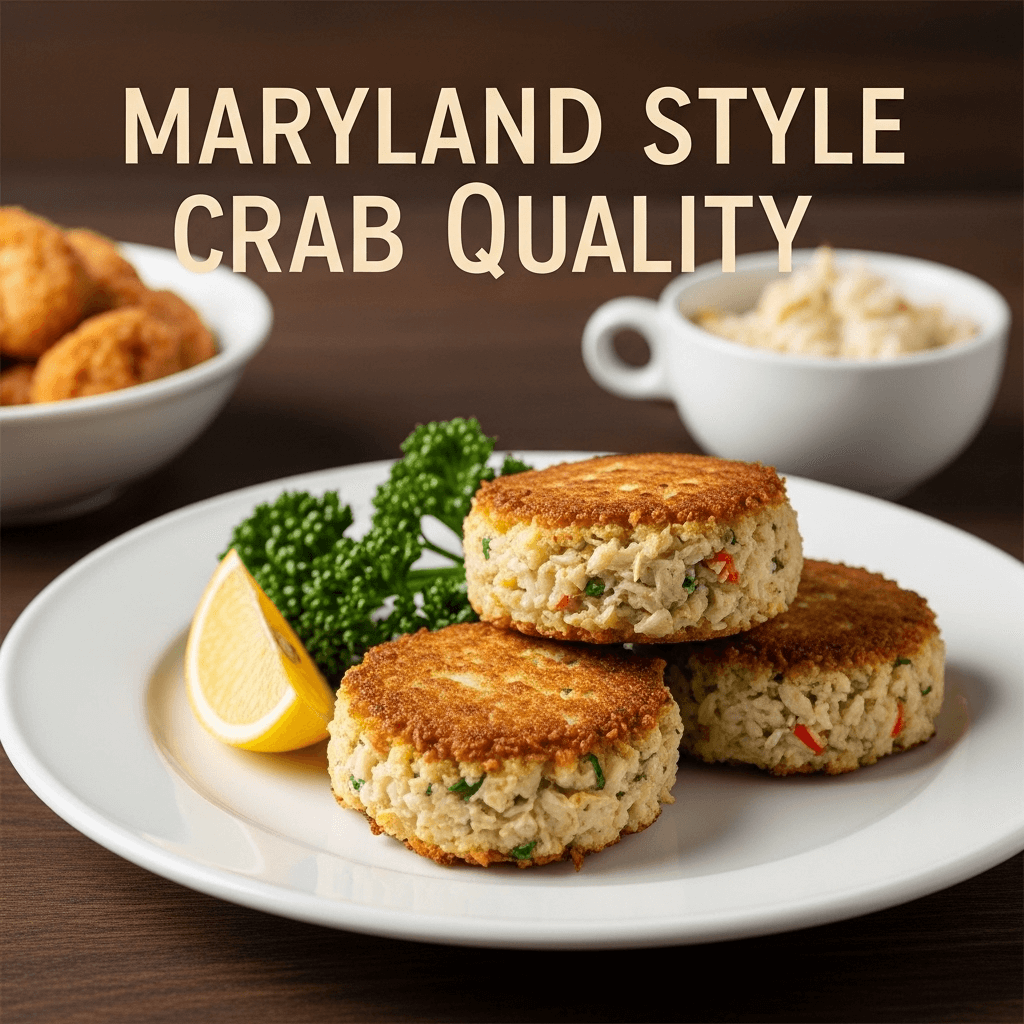
There’s something undeniably special about biting into a perfectly golden crab cake—crispy on the outside, tender and packed with sweet crab meat on the inside, with just enough binding to hold everything together without overwhelming the star ingredient. These Maryland-style crab cakes are the real deal, featuring jumbo lump crab meat held together with minimal filler, allowing the delicate sweetness of the crab to shine through in every bite.
Crab cakes are the ultimate coastal luxury that you can recreate at home, and they’re surprisingly easier to make than most people think. This restaurant-quality crab cake recipe delivers those coveted golden-brown exteriors with tender, flaky interiors bursting with chunks of fresh crab. Unlike the bread-heavy versions you might find at mediocre restaurants, these authentic Maryland crab cakes respect the traditional ratio—mostly crab, with just enough binder to keep them together.
Perfect for special occasions like anniversaries, holiday dinners, or impressing dinner guests, these crab cakes also work beautifully as an elevated weeknight meal when you want to treat yourself. Serve them as an elegant appetizer, the star of your main course, or even tucked into a bun for a luxurious crab cake sandwich. Whether you’re planning a romantic dinner for two or hosting a coastal-themed gathering, these homemade crab cakes will transport everyone straight to a seaside restaurant.
History / Background
The beloved crab cake has deep roots in American culinary history, with its origins firmly planted in the Chesapeake Bay region, particularly Maryland. Native Americans who inhabited the Chesapeake Bay area were the first to harvest blue crabs from these waters, and they shared their crabbing knowledge with early European settlers in the 1600s.
The modern crab cake as we know it began taking shape in the late 19th and early 20th centuries when Chesapeake Bay watermen were pulling in abundant harvests of blue crabs. Home cooks and tavern owners needed creative ways to use this plentiful resource, and the crab cake was born out of both necessity and ingenuity. Early recipes were quite simple—crab meat mixed with breadcrumbs, egg, and seasonings, then pan-fried until golden.
Maryland, particularly the city of Baltimore and the Eastern Shore communities, became synonymous with crab cakes. The debate over what constitutes an “authentic” Maryland crab cake is taken seriously by locals—the general consensus is that a true Maryland crab cake should be almost all crab meat with minimal filler. The traditional binding typically includes just enough breadcrumbs or crackers, egg, mayonnaise, and Old Bay seasoning to hold the precious crab together.
Interestingly, different regions developed their own crab cake styles. Charleston has boardwalk-style crab cakes, Louisiana makes spicier Cajun versions, and New England adds their own regional twists. But Maryland-style remains the gold standard—the benchmark against which all other crab cakes are measured.
What makes the Maryland crab cake particularly special is the emphasis on using local blue crab, which has a distinctively sweet, delicate flavor that’s less briny than other crab varieties. The blue crab season runs from April through December in the Chesapeake Bay, though May through September is considered peak season. During these months, Maryland celebrates its crab heritage with numerous festivals, and crab shacks serve these golden beauties to locals and tourists alike.
The crab cake has evolved from humble tavern fare to a dish that appears on menus at some of the country’s finest restaurants. Despite this elevation in status, the best crab cakes remain true to their roots—simple, focused on quality ingredients, and always, always showcasing the crab itself.
Why You’ll Love This Recipe
This easy crab cake recipe strikes the perfect balance between restaurant elegance and home-cooking approachability. While crab cakes might seem intimidating, this foolproof method ensures gorgeous results even if it’s your first time making them.
Here’s why this recipe deserves a spot in your regular rotation:
- Restaurant-Quality at Home – Achieve the same golden, crispy exterior and tender interior you’d pay $25+ per serving for at upscale seafood restaurants, for a fraction of the cost.
- All About the Crab – This Maryland-style approach uses minimal filler, ensuring every bite is packed with sweet, lumpy crab meat rather than breadcrumbs.
- Surprisingly Simple – Despite their fancy reputation, these crab cakes require just 15 minutes of hands-on prep and basic cooking skills—no culinary degree required.
- Flexible Cooking Methods – Pan-fry for classic crispy edges, bake for a lighter version, or broil for restaurant-style finish. All methods work beautifully.
- Perfect for Special Occasions – Impressive enough for anniversaries, holidays, or dinner parties, yet easy enough for a Friday night treat.
- Quick Cooking Time – From mixing bowl to plate in under 30 minutes, making these perfect when you want something special without hours in the kitchen.
- Customizable Heat – Adjust seasonings to your preference, from traditional Old Bay to spicier Cajun-inspired versions.
- Make-Ahead Friendly – Form the cakes ahead of time and refrigerate until ready to cook, perfect for stress-free entertaining.
- Crowd-Pleaser – Even people who think they don’t like seafood often become converts after trying a well-made crab cake.
- Versatile Serving Options – Enjoy as an appetizer, main course, sandwich filling, or salad topper.
Ingredient Notes
The secret to exceptional homemade crab cakes lies in understanding your ingredients and using the best quality you can find. Here’s what you need to know:
Lump Crab Meat – This is your star ingredient, so quality matters enormously. Jumbo lump crab meat offers the largest, most impressive chunks and the sweetest flavor. If budget is a concern, lump crab meat (slightly smaller pieces) works well too. Look for fresh, refrigerated crab meat at your seafood counter rather than shelf-stable cans—the texture and flavor are incomparably better. You want 1 pound of picked-over crab meat with no shells. Blue crab is traditional for Maryland-style, but Dungeness, snow crab, or king crab all work beautifully. Avoid imitation crab meat (surimi) for this recipe—it simply won’t deliver the same results.
Mayonnaise – Acts as a binder and adds richness and moisture. Full-fat mayonnaise is preferred for the best flavor and texture. The mayo helps hold everything together without making the cakes heavy. You can substitute half the mayo with Greek yogurt for a lighter version, though the flavor will be slightly tangier. Duke’s or Hellmann’s (Best Foods on the West Coast) are preferred brands.
Egg – Provides binding power to help the cakes hold their shape during cooking. One large egg is typically perfect for a pound of crab. Some recipes use just the yolk for extra richness, but the whole egg works well and is less wasteful.
Breadcrumbs or Crackers – The “filler” in crab cakes is a hotly debated topic. Traditional Maryland recipes often use saltine crackers (crushed finely) or panko breadcrumbs. Panko creates a lighter texture, while crackers add a subtle saltiness. The key is using just enough to bind—typically ⅓ to ½ cup for a pound of crab. Too much filler and you have crab-flavored bread cakes rather than crab cakes. For gluten-free versions, use gluten-free panko or crushed gluten-free crackers.
Dijon Mustard – Adds a subtle tang and depth of flavor that complements the sweetness of the crab without overwhelming it. About 1 teaspoon is perfect. Yellow mustard can be substituted, but Dijon is more sophisticated.
Worcestershire Sauce – Brings umami depth and a subtle complexity to the flavor profile. Just a dash (1 teaspoon) is enough. This is an optional ingredient but adds restaurant-quality depth.
Old Bay Seasoning – The quintessential Maryland crab cake seasoning, this iconic blend includes celery salt, paprika, and various spices. It’s practically required for authentic Maryland-style crab cakes. If you don’t have Old Bay, you can create a substitute with paprika, celery salt, black pepper, and a pinch of cayenne, but honestly, Old Bay is worth buying—it’s that essential to the flavor.
Fresh Parsley – Adds color, freshness, and a subtle herbaceous note. Use flat-leaf (Italian) parsley for best flavor, finely chopped. This is optional but recommended.
Lemon Juice – Freshly squeezed lemon juice brightens all the flavors and cuts through the richness. Don’t skip this—it’s essential for balance.
Salt and Pepper – Since Old Bay already contains salt, add additional salt carefully and taste as you go. Freshly cracked black pepper adds a pleasant bite.
Butter and Oil for Cooking – A combination of butter (for flavor) and oil (for higher smoke point) creates the best golden crust when pan-frying. Use equal parts of each.
Equipment Needed
The good news is that making restaurant-quality crab cakes requires minimal specialized equipment—most of which you likely already have:
- Large Mixing Bowl – For gently combining your crab cake mixture without breaking up the crab chunks
- Small Bowl – To whisk together wet ingredients before adding to the crab
- Fork or Gentle Whisk – For mixing ingredients without overly breaking up the crab lumps
- Measuring Cups and Spoons – For accurate ingredient ratios
- Large Skillet (Preferably Non-Stick or Cast Iron) – For achieving those perfect golden-brown crusts. A 12-inch skillet allows you to cook multiple cakes without crowding.
- Fish Spatula or Wide Turner – The thin, flexible edge makes flipping delicate crab cakes much easier than a regular spatula
- Baking Sheet – If you prefer the oven method, or for holding formed cakes in the refrigerator
- Parchment Paper – Prevents sticking when chilling formed cakes
- Food Processor (Optional) – For quickly making fresh breadcrumbs from bread or crushing crackers
- Kitchen Scale (Optional) – Helpful for portioning uniform cakes, though not necessary
Maryland-Style Crab Cakes
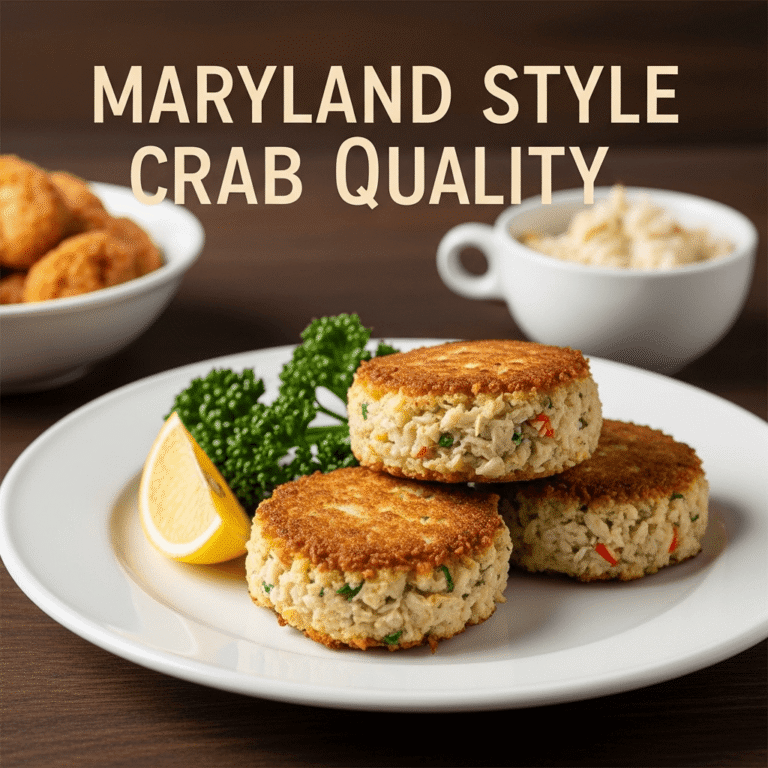
These classic Maryland-style crab cakes feature jumbo lump crab meat with minimal filler, creating golden-brown patties that are crispy on the outside and tender on the inside. Simple, elegant, and absolutely delicious—this is the crab cake recipe you’ll make again and again.
- Total Time: 45 minutes
- Yield: 8 crab cakes (serves 4 as main course or 8 as appetizer) 1x
Ingredients
- 1 pound jumbo lump crab meat, picked over for shells
- ⅓ cup panko breadcrumbs (or finely crushed saltine crackers)
- ¼ cup mayonnaise
- 1 large egg, lightly beaten
- 1 tablespoon fresh parsley, finely chopped
- 1 tablespoon fresh lemon juice
- 1 teaspoon Dijon mustard
- 1 teaspoon Worcestershire sauce
- 1 teaspoon Old Bay seasoning
- ¼ teaspoon salt (adjust based on your Old Bay and crab meat saltiness)
- ¼ teaspoon black pepper
- 2 tablespoons unsalted butter
- 2 tablespoons vegetable or canola oil
- Lemon wedges, for serving
- Tartar sauce or remoulade, for serving
Instructions
- Prep the Crab Meat – Place the crab meat in a large bowl and very gently pick through it to remove any remaining shell fragments. Be gentle to keep those beautiful lumps intact—this is what makes your crab cakes special. Pat the crab meat dry with paper towels if it seems excessively wet.
- Mix the Wet Ingredients – In a small bowl, whisk together the mayonnaise, beaten egg, lemon juice, Dijon mustard, and Worcestershire sauce until smooth and well combined. This ensures even distribution of flavors throughout your crab cakes.
- Add Seasonings to Wet Mix – Stir the Old Bay seasoning, salt, black pepper, and chopped parsley into the wet mixture. Taste and adjust seasoning if needed—remember, you can always add more but can’t take it away.
- Combine Wet and Dry – Add the breadcrumbs to the wet mixture and stir until they’re moistened and begin to swell slightly. Let this sit for 1-2 minutes—this allows the breadcrumbs to absorb moisture and helps bind the cakes.
- Fold in the Crab – Pour the wet mixture over the crab meat. Using a rubber spatula or fork, fold everything together very gently. The goal is to coat the crab with the binding mixture while keeping those precious lumps intact. Don’t overmix—stop as soon as everything is combined.
- Form the Cakes – Divide the mixture into 8 equal portions (about ⅓ cup each). Gently form each portion into a patty about 3 inches in diameter and ¾ inch thick. Don’t pack them too firmly—you want them to hold together but remain tender. Place formed cakes on a parchment-lined baking sheet.
- Chill (Highly Recommended) – Cover the baking sheet with plastic wrap and refrigerate for at least 30 minutes, up to 24 hours. This chilling time allows the breadcrumbs to fully absorb moisture and helps the cakes hold together better during cooking. If you’re in a rush, 15 minutes in the freezer works in a pinch.
- Preheat Your Pan – When ready to cook, heat a large skillet over medium heat. Add the butter and oil, swirling to combine. The pan is ready when the butter foam subsides and the mixture shimmers.
- Cook the Crab Cakes – Carefully place 4 crab cakes in the pan (don’t crowd—cook in batches if necessary). Cook without moving them for 4-5 minutes until the bottom is deep golden brown and crispy. Resist the urge to peek or flip early!
- Flip Carefully – Using a fish spatula or wide turner, carefully flip each cake. Cook for another 4-5 minutes on the second side until golden brown and heated through. The internal temperature should reach 145°F.
- Keep Warm and Cook Remaining – Transfer cooked crab cakes to a plate and tent loosely with foil to keep warm. Add a bit more butter and oil to the pan if needed, then cook the remaining crab cakes.
- Serve Immediately – Serve hot with lemon wedges and your choice of tartar sauce, remoulade, or aioli. Garnish with additional parsley if desired.
Notes
- Don’t Overmix: The most common mistake is overmixing, which breaks up the crab lumps and creates dense, tough cakes. Fold gently!
- Size Matters: You can make smaller cocktail-size cakes (about 2 inches) for appetizers—adjust cooking time to 3-4 minutes per side.
- Oven Method: For a lighter version, brush formed cakes with melted butter and bake at 450°F for 12-15 minutes, flipping halfway through.
- Broiler Finish: For extra-crispy tops, finish pan-fried cakes under the broiler for 1-2 minutes.
- Fresh is Best: These are best served immediately after cooking while the exterior is still crispy.
- Prep Time: 15 minutes
- Cook Time: 30 minutes
- Category: Main Course
- Method: Pan-Frying
- Cuisine: American
- Diet: Gluten Free
Nutrition
- Serving Size: 2 crab cakes
- Calories: 285
- Sugar: 1g
- Sodium: 780mg
- Fat: 16g
- Saturated Fat: 4g
- Unsaturated Fat: 11g
- Trans Fat: 0g
- Carbohydrates: 9g
- Fiber: 0g
- Protein: 25g
- Cholesterol: 145mg
Tips & Variations
The beauty of this classic crab cake recipe is its adaptability while maintaining respect for tradition. Here are some ways to customize:
Spice Variations:
- Spicy Cajun: Add ½ teaspoon cayenne pepper and replace Old Bay with Cajun seasoning
- Chipotle Kick: Mix in 1 tablespoon minced chipotle in adobo for smoky heat
- Classic Hot: Add a few dashes of hot sauce (Crystal or Tabasco) to the wet mixture
- Old Bay Extra: Double the Old Bay if you’re a true Maryland purist
Flavor Twists:
- Asian-Inspired: Add ginger, scallions, sesame oil, and replace Old Bay with five-spice powder
- Mediterranean: Include minced garlic, lemon zest, fresh dill, and a touch of feta
- Southern Style: Add minced bell pepper, celery, and Creole seasoning
- Herb Garden: Increase fresh herbs with dill, chives, and tarragon
Healthier Options:
- Baked Version: Brush with olive oil and bake at 450°F instead of pan-frying to reduce calories
- Light Binding: Use Greek yogurt for half the mayonnaise
- Lower Carb: Reduce breadcrumbs to 3 tablespoons or use almond flour
- Air Fryer: Cook at 375°F for 10-12 minutes, flipping halfway through
Size Variations:
- Sliders: Make mini 2-inch cakes for appetizers or sliders (16-20 small cakes)
- Jumbo: Form into 4 large cakes for impressive main courses
- Crab Balls: Roll into 1-inch balls and deep-fry for cocktail party bites
Different Proteins:
- Lobster Cakes: Substitute lobster meat (though this is very expensive!)
- Shrimp Cakes: Use finely chopped cooked shrimp
- Salmon Cakes: Use cooked, flaked salmon for a budget-friendly alternative
- Mixed Seafood: Combine crab with chopped shrimp or lobster
Pro Chef Tips
Professional chefs know that the difference between good crab cakes and extraordinary ones often comes down to technique and attention to detail:
Handle the Crab Like Gold – Because it is! When folding ingredients together, use the lightest possible touch. Professional chefs often say to fold “as if you’re handling butterfly wings.” Every time you stir or mix, you’re breaking up those precious lumps of crab meat. Mix just until combined and no more.
The Dry Test – Before adding all your wet ingredients to the crab, test your mixture. Take a small amount and try to form a patty. If it holds together without crumbling, you’re good. If it’s too wet and doesn’t hold shape, add a tablespoon more breadcrumbs. If it’s dry and crumbly, add a touch more mayo. This prevents ruining an entire batch.
Temperature Control is Critical – Medium heat is your friend here. Too hot, and you’ll burn the outside before the inside warms through. Too cool, and the cakes will absorb excess oil and become greasy without developing that gorgeous golden crust. The butter should foam and subside but not brown immediately. If it starts browning quickly, reduce your heat.
The Chill Factor – Chilling isn’t just a suggestion—it’s the secret to crab cakes that stay together beautifully. Professional kitchens always chill formed crab cakes for at least 30 minutes, often several hours. The cold firms up the fat in the mayo and butter, allows breadcrumbs to fully hydrate, and helps everything bind together. Patience here pays enormous dividends.
Quality Control the Shell Situation – Even the best crab meat can have tiny shell fragments. Run your fingers through the crab meat gently before using it. Shell in your mouth is an instant mood-killer with crab cakes. Take the extra 2 minutes—it’s worth it.
Don’t Crowd the Pan – This isn’t just about convenience; it’s about results. Crowding drops the pan temperature, creates steam instead of crisp crust, and makes flipping difficult. Give each cake at least 2 inches of space. Cook in batches and keep finished cakes warm in a 200°F oven.
The Butter-Oil Combination – Butter alone burns at the temperature needed for a good crust. Oil alone lacks flavor. The combination gives you the high smoke point of oil with the rich flavor of butter—the best of both worlds.
Common Mistakes to Avoid
Even experienced cooks can stumble with crab cakes. Here’s what to watch out for:
Using Too Much Filler – The number one mistake home cooks make is adding too many breadcrumbs, turning their crab cakes into bread patties with a bit of crab flavor. The ratio should be roughly 3:1 crab to filler. If you can’t clearly see and taste large chunks of crab in every bite, you’ve used too much binder. Remember: in Maryland, they’ll judge you for bread-heavy crab cakes!
Overmixing the Mixture – I can’t stress this enough. When you vigorously stir or use electric mixers, you break up all those beautiful lumps of crab meat. What you want are tender chunks of crab barely held together with binder. What you’ll get from overmixing is a paste-like consistency that’s dense and uniform. Use a gentle folding motion and stop the second everything is combined.
Skipping the Refrigeration Time – I know you’re excited to eat them, but forming cakes and immediately cooking them leads to broken, falling-apart disasters. The mixture needs time for the breadcrumbs to absorb moisture and everything to firm up. Think of it like cookie dough—chilling makes all the difference. If you’re truly pressed for time, at least give them 15 minutes in the freezer.
Flipping Too Early or Too Often – Once you place those cakes in the pan, leave them alone! Constantly checking or moving them prevents that gorgeous golden crust from forming. Wait until you see golden-brown edges creeping up the sides (about 4-5 minutes) before attempting to flip. And flip only once—this isn’t a pancake situation.
Using Wet Crab Meat – If your crab meat is sitting in liquid or feels excessively wet, pat it dry with paper towels before using. Too much moisture makes it nearly impossible to get the right consistency and can cause cakes to fall apart or steam rather than crisp up during cooking.
Wrong Pan Temperature – This is tricky because every stove is different. Too hot, and you’ll get burnt exteriors with cold centers. Too cool, and they’ll absorb oil and become greasy. The sweet spot is medium to medium-high heat where the butter foams but doesn’t immediately brown.
Storage & Meal Prep
Crab cakes are best enjoyed fresh, but with proper storage, you can enjoy them for several days:
Refrigerator Storage (Cooked): Place cooled crab cakes in an airtight container with parchment paper between layers to prevent sticking. They’ll keep for 3-4 days refrigerated. Reheat in a 375°F oven for 10-12 minutes until heated through and crispy again. Don’t microwave—it makes them soggy and rubbery.
Refrigerator Storage (Uncooked): Formed, uncooked crab cakes can be refrigerated for up to 24 hours before cooking. This is actually ideal for meal prep and entertaining. Just cover the baking sheet tightly with plastic wrap, and cook them when ready. They may need an extra minute per side since they’re cold from the fridge.
Reheating Tips: The best reheating method is in a 375°F oven on a baking sheet for 10-12 minutes. For extra crispiness, brush lightly with melted butter before reheating. You can also reheat in a skillet over medium heat with a bit of butter, about 3-4 minutes per side. The goal is to warm through without drying them out.
Leftover Magic: Crumbled leftover crab cakes make an amazing salad topper, can be tucked into sandwiches, or mixed into scrambled eggs for a luxurious breakfast. They’re also delicious on top of pasta with a light cream sauce.
Room Temperature Warning: Like all seafood, crab cakes shouldn’t sit at room temperature for more than 2 hours. If serving at a party, keep extras warm in a low oven (200°F) rather than leaving them out.
Make-Ahead & Freezer Notes
Planning ahead? Crab cakes are wonderfully accommodating for advance preparation:
Make-Ahead Timeline:
- 24 hours ahead: Form the cakes, place on a parchment-lined baking sheet, cover tightly, and refrigerate. This is the ideal make-ahead window and actually helps them hold together even better.
- 48 hours ahead: Prepare the mixture but don’t form into cakes yet. Store in an airtight container and form cakes the day before or day of cooking.
- Morning of: Form cakes in the morning, refrigerate all day, and cook fresh for dinner. Perfect for dinner parties.
Freezer Instructions (Uncooked):
- Form the cakes and place on a parchment-lined baking sheet
- Freeze until solid (about 2 hours)
- Transfer frozen cakes to a freezer bag, separating layers with parchment paper
- Freeze for up to 3 months
- Do not thaw before cooking—cook from frozen, adding 2-3 extra minutes per side
- This method works brilliantly and maintains the texture better than freezing cooked cakes
Freezer Instructions (Cooked):
- While you can freeze cooked crab cakes, the texture won’t be quite as good as freezing them uncooked
- Cool completely, then freeze on a baking sheet
- Transfer to freezer bags once frozen solid
- Reheat from frozen in a 375°F oven for 15-20 minutes
Best Reheating Method from Frozen: Preheat oven to 375°F. Place frozen crab cakes on a baking sheet and bake for 20-25 minutes, flipping halfway through. For crispy edges, brush with melted butter before baking. Don’t thaw first—they’ll become waterlogged.
Pro Tip: When freezing, wrap each cake individually in plastic wrap before placing in a freezer bag. This makes it easy to grab just one or two without defrosting the whole batch.
Serving Suggestions
These restaurant-quality crab cakes shine brightest when paired with complementary sides and sauces:
Classic Accompaniments:
- Tartar Sauce – The traditional choice, with tangy pickles and creamy mayo
- Remoulade – Spicy, tangy sauce with Creole flavors
- Lemon Aioli – Garlicky mayo with bright lemon
- Cocktail Sauce – For those who like a horseradish kick
- Simply Lemon Wedges – Sometimes the classic approach is best
Perfect Side Dishes:
- Coleslaw – Creamy or vinegar-based, both provide refreshing crunch
- French Fries or Sweet Potato Fries – Classic pairing for a casual meal
- Corn on the Cob – Peak summer seafood feast material
- Roasted Asparagus – Elegant and complements the crab beautifully
- Caesar Salad – Crisp romaine with creamy dressing balances rich crab cakes
- Grilled Vegetables – Zucchini, bell peppers, and summer squash
- Rice Pilaf – Light and fluffy, soaks up any extra sauce
- Garden Salad – Simple greens with light vinaigrette
Make It a Sandwich:
- Serve on toasted brioche buns with lettuce, tomato, and remoulade
- Add to a hoagie roll with coleslaw for a Maryland-style crab cake sandwich
- Top an English muffin with a poached egg for crab cake Benedict
Elegant Plating:
- Serve over a bed of mixed greens with lemon vinaigrette
- Place atop creamy grits or polenta for Southern flair
- Pair with risotto for an upscale presentation
- Serve alongside sautéed spinach with garlic
Beverage Pairings:
- Wine: Crisp Sauvignon Blanc, unoaked Chardonnay, or dry Riesling
- Beer: Light lagers, pilsners, or wheat beers
- Cocktails: Classic martini, gin and tonic, or a crisp white wine spritzer
- Non-Alcoholic: Sparkling water with lemon or iced tea
FAQs Section
Can I use imitation crab meat to make crab cakes? While you technically can, I don’t recommend it for this recipe. Imitation crab (surimi) is made from processed white fish and doesn’t have the same sweet, delicate flavor or tender texture as real crab meat. It also has a different moisture content that affects the binding. If budget is a concern, consider making salmon cakes instead—they’re delicious and more authentic than using imitation crab.
What’s the difference between lump and jumbo lump crab meat? Jumbo lump consists of the largest, whole pieces of meat from the crab’s body—these are the most impressive chunks you see in premium crab cakes. Regular lump crab meat contains smaller pieces but is still high quality. Both work beautifully in this recipe; jumbo lump is just more visually impressive and slightly sweeter. Claw meat is darker and more economical but has a stronger flavor that some find less delicate.
Why are my crab cakes falling apart? This usually happens for one of three reasons: not enough binder (add another tablespoon of breadcrumbs), the mixture is too wet (pat crab meat dry before using), or you didn’t chill them long enough before cooking (refrigerate at least 30 minutes). Also, flipping too early before a crust forms can cause breakage. Make sure the first side is deeply golden before attempting to flip.
Can I make crab cakes without breadcrumbs? Yes! For a gluten-free version, use crushed gluten-free crackers, almond flour, or crushed pork rinds (for keto). You can also use finely crushed cornflakes. Some people use crushed butter crackers (like Ritz) which add richness. The breadcrumbs’ job is to absorb moisture and bind, so any dry, neutral-flavored substitute that does this will work.
How do I know when crab cakes are done cooking? Crab cakes are done when both sides are deep golden brown and crispy, and the internal temperature reaches 145°F (use an instant-read thermometer inserted into the thickest part). Since the crab is already cooked, you’re really just heating everything through and achieving that crispy exterior—about 4-5 minutes per side over medium heat.
Can I make these crab cakes dairy-free? Absolutely! The only dairy in the traditional recipe is the butter used for cooking. Simply substitute olive oil, avocado oil, or vegan butter. The mayonnaise in the mixture is naturally dairy-free (despite its creamy appearance). Check your Old Bay seasoning label as well—most seasonings are dairy-free, but it’s worth confirming.
What’s the best type of crab to use for crab cakes? Blue crab is traditional for Maryland-style crab cakes and has the sweetest, most delicate flavor. However, Dungeness crab (West Coast), snow crab, and king crab all make excellent crab cakes. Avoid swimming crab or very inexpensive canned crab from unknown sources—quality crab meat makes all the difference. Fresh or pasteurized refrigerated crab meat from your seafood counter is always preferable to shelf-stable canned versions.
Conclusion
There’s something truly special about creating restaurant-quality Maryland-style crab cakes in your own kitchen. These golden, crispy-edged beauties prove that the most impressive dishes are often the simplest—just exceptional ingredients treated with respect and a gentle hand.
The magic of this easy crab cake recipe lies in its restraint. By using minimal filler and handling the crab meat gently, you allow the sweet, delicate flavor of the crab to shine through in every single bite. Yes, quality lump crab meat is an investment, but when you make these at home, you’re getting multiple restaurant-quality servings for less than the cost of one crab cake appetizer at most seafood restaurants.
Whether you’re planning a romantic dinner, hosting a coastal-themed gathering, or simply treating yourself to something special on a Friday night, these homemade crab cakes deliver elegance without intimidation. The technique is straightforward, the ingredients are accessible, and the results are consistently impressive.
I encourage you to make this recipe your own—adjust the seasonings to match your preferences, experiment with different cooking methods, or try the variations I’ve suggested. The basic formula is incredibly forgiving, and once you’ve mastered it, you’ll find yourself making these far more often than you’d expect.