
Fresh Pineapple Salsa Recipe – Sweet, Spicy & Perfect for Summer!
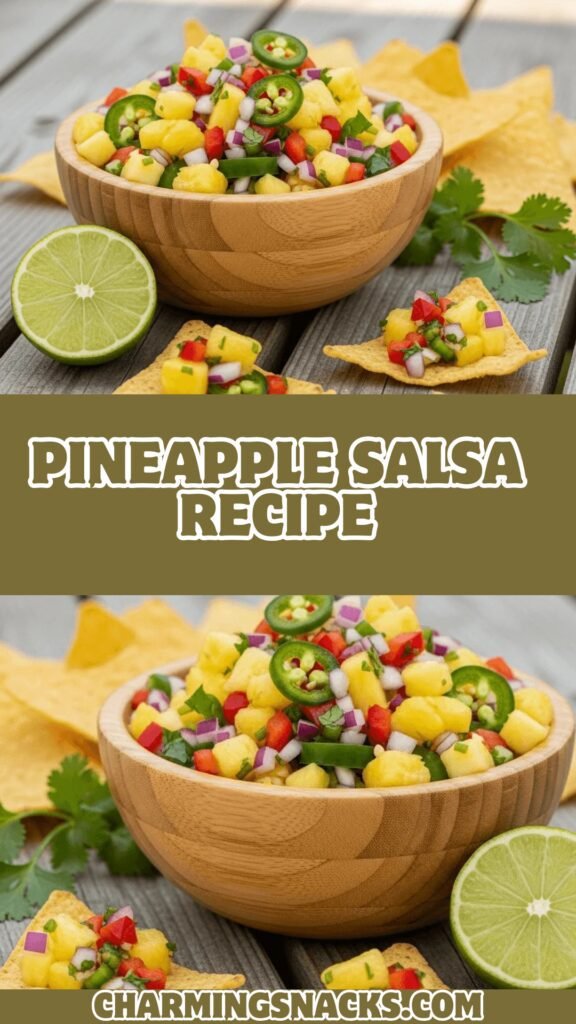
Get ready for the most refreshing, vibrant salsa you’ll ever taste! This fresh pineapple salsa combines juicy sweet pineapple chunks with crisp vegetables, zesty lime, and a kick of jalapeño for a tropical salsa that’s absolutely irresistible. If you’ve been searching for that perfect sweet and spicy salsa that transforms any meal from ordinary to extraordinary, this easy pineapple salsa recipe is about to become your new favorite condiment!
This homemade pineapple salsa has taken the culinary world by storm, and it’s easy to see why. It delivers a perfect balance of sweet, spicy, tangy, and fresh flavors that complement everything from grilled fish to tortilla chips. I make this constantly throughout spring and summer because it’s incredibly versatile, refreshingly light, and brings a taste of the tropics to any meal. The combination of bright pineapple, crisp red onion, fresh cilantro, and lime juice creates a flavor explosion that keeps everyone coming back for more.
Perfect for taco nights, grilled chicken or fish toppings, BBQ sides, pool parties, summer gatherings, chip dipping, or any time you want to brighten up your meal with fresh tropical flavors, this versatile salsa works for absolutely any occasion. Serve it with tortilla chips as an appetizer, spoon it over grilled salmon or shrimp, pile it on fish tacos, or use it as a refreshing topping for pulled pork. The best part? It takes just 15 minutes to make with no cooking required, and it’s naturally gluten-free, vegan, and packed with vitamin C. Once you taste this tropical pineapple salsa, you’ll be finding excuses to make it all summer long!
History / Background
Pineapple salsa represents a beautiful fusion of culinary traditions, blending Latin American salsa culture with tropical Caribbean ingredients to create something entirely modern and delicious. To understand this vibrant dish, we need to explore both the history of salsa and the global journey of the pineapple.
The word “salsa” simply means “sauce” in Spanish, and salsa as a condiment has roots stretching back to the Aztecs, Mayans, and Incas who combined tomatoes, chili peppers, and ground squash seeds to create flavorful accompaniments to their meals. When Spanish colonizers arrived in the Americas, they documented these indigenous sauces, and the tradition of fresh, chunky salsas became deeply embedded in Mexican and Latin American cuisine.
The pineapple has its own fascinating history. Native to South America, particularly Paraguay and southern Brazil, pineapples were cultivated by indigenous peoples for centuries before European contact. When Christopher Columbus encountered pineapples in Guadeloupe in 1493, he brought them back to Europe, where they became symbols of hospitality and exotic luxury. The fruit eventually spread to Hawaii in the early 1800s, where it became a major agricultural product and forever linked with Hawaiian and tropical cuisine.
The specific combination of pineapple with salsa ingredients—onions, peppers, cilantro, and lime—emerged much more recently, likely in the 1980s and 1990s as part of the “New American Cuisine” and California fusion cooking movements. Chefs began experimenting with fruit salsas as fresh, lighter alternatives to traditional tomato-based versions, particularly to pair with grilled fish and seafood. Pineapple, with its natural sweetness and ability to hold up well when diced, proved to be an ideal base for these innovative salsas.
The rise of pineapple salsa also coincided with increased American interest in Hawaiian and Caribbean cuisines during the late 20th century. The flavors of “island cooking”—sweet fruit, spicy peppers, fresh herbs, and citrus—became increasingly popular on the mainland. Pineapple salsa embodied this trend perfectly, offering a taste of tropical paradise that felt both exotic and accessible.
What makes pineapple salsa particularly special is how it honors multiple culinary traditions while creating something new. It respects the Mexican salsa tradition of fresh, raw ingredients chopped and mixed together, while incorporating the tropical sweetness of Caribbean and Hawaiian cooking. The addition of jalapeños provides heat, cilantro adds brightness, lime juice contributes acidity, and red onion offers sharp contrast—all working together to balance the pineapple’s natural sweetness.
Today, pineapple salsa has become a modern classic in American cooking, appearing on restaurant menus from casual taco shops to upscale seafood restaurants. It’s become especially popular in coastal regions and anywhere warm-weather cooking reigns. Food bloggers and home cooks have embraced it for its simplicity, versatility, and ability to make everyday meals feel special. The recipe proves that sometimes the best innovations come from respectfully combining traditions from different cultures to create something fresh, vibrant, and universally appealing.
Why You’ll Love This Recipe
This fresh pineapple salsa is about to revolutionize your meal planning! I’ve been making this for years, and it never fails to impress—whether I’m serving it at summer BBQs, topping grilled fish for weeknight dinners, or just eating it by the spoonful with chips (don’t judge!). The incredible balance of sweet pineapple and spicy jalapeño creates a flavor combination that’s both refreshing and addictive.
Here’s why this easy pineapple salsa will become your go-to recipe:
- Incredibly fresh and vibrant – Bursting with bright tropical flavors that taste like summer
- Ready in 15 minutes – No cooking required, just chop and mix!
- Naturally healthy – Low calorie, packed with vitamin C, no added sugar needed
- Amazingly versatile – Works as dip, topping, side dish, or main ingredient
- Perfect sweet-spicy balance – Appeals to everyone from kids to spice lovers
- Budget-friendly – Simple, affordable ingredients available year-round
- Crowd-pleasing – I’ve never met anyone who didn’t love this salsa
- Meal prep friendly – Tastes even better after flavors meld in the fridge
- Naturally vegan & gluten-free – Fits most dietary preferences
- Beautiful presentation – Gorgeous colors make any table look festive
- Customizable heat – Adjust jalapeños to your spice preference
- Refreshingly light – Perfect for hot summer days when you want something cooling
Ingredient Notes
The magic of perfect pineapple salsa lies in using fresh, quality ingredients. Here’s what you need to know:
Fresh Pineapple – The star ingredient! Fresh pineapple is essential for best flavor and texture. Look for a pineapple that’s golden-yellow (not green), smells sweet at the base, and has leaves that pull out easily—these indicate ripeness. You’ll need about 2 cups diced pineapple (from one medium pineapple). Canned pineapple can work in a pinch but drain it extremely well and rinse to remove excess sweetness—the texture won’t be quite as crisp and the flavor won’t be as bright as fresh.
Red Bell Pepper – Adds sweet crunch and gorgeous color. Red bell peppers are sweeter and more colorful than green, making them perfect for this salsa. Yellow or orange bell peppers work equally well if that’s what you have. Dice into small pieces similar in size to the pineapple chunks for uniform texture.
Red Onion – Provides sharp, pungent contrast to sweet pineapple. Red onion is preferred over white or yellow for its milder flavor and beautiful purple color. If you find raw red onion too strong, soak diced onion in cold water for 10 minutes, then drain—this mellows the bite without losing the flavor. Green onions or shallots can substitute for a milder option.
Jalapeño Pepper – Brings the heat! One jalapeño with seeds creates medium heat; without seeds, it’s milder. For spicy salsa, use two jalapeños or leave all the seeds in. For very mild salsa, substitute with a poblano pepper or omit entirely. Always wear gloves when handling hot peppers or wash hands immediately after—capsaicin oils can burn!
Fresh Cilantro – Essential for authentic salsa flavor and bright freshness. Fresh cilantro (not dried) is non-negotiable for this recipe. If you’re in the “cilantro tastes like soap” genetic camp, substitute fresh parsley or fresh mint for a different but equally delicious flavor profile. About ¼ cup chopped cilantro is perfect.
Fresh Lime Juice – Adds essential acidity and brightness that makes all flavors pop. Fresh-squeezed lime juice is dramatically better than bottled—the difference is night and day. You’ll need about 2-3 limes for ¼ cup juice. Lemon juice can substitute but lime is more traditional and slightly sweeter.
Salt – Enhances all the other flavors and brings the salsa together. Fine sea salt or kosher salt both work. Start with ½ teaspoon and adjust to taste—you might want more depending on your preference and how salty your tortilla chips are.
Optional Add-Ins – Get creative with diced mango for extra sweetness, fresh mint for cooling freshness, diced cucumber for extra crunch, black beans for protein and heartiness, or diced avocado for creaminess (add right before serving).
Equipment Needed
You’ll need minimal equipment for this simple recipe—nothing fancy required!
Essential Tools:
- Sharp knife – For dicing pineapple and vegetables cleanly
- Cutting board – Large enough for prep work
- Large mixing bowl – For combining all ingredients
- Measuring cups and spoons – For accurate ingredient amounts
- Citrus juicer or reamer – For extracting lime juice (optional but helpful)
- Large spoon – For mixing ingredients together
Optional but Helpful:
- Pineapple corer – Makes cutting fresh pineapple much easier
- Food processor – Can quickly dice vegetables if you prefer (use pulse function carefully!)
- Serving bowl – Pretty bowl for presentation
- Airtight container – For storing leftovers
Fresh Pineapple Salsa Recipe
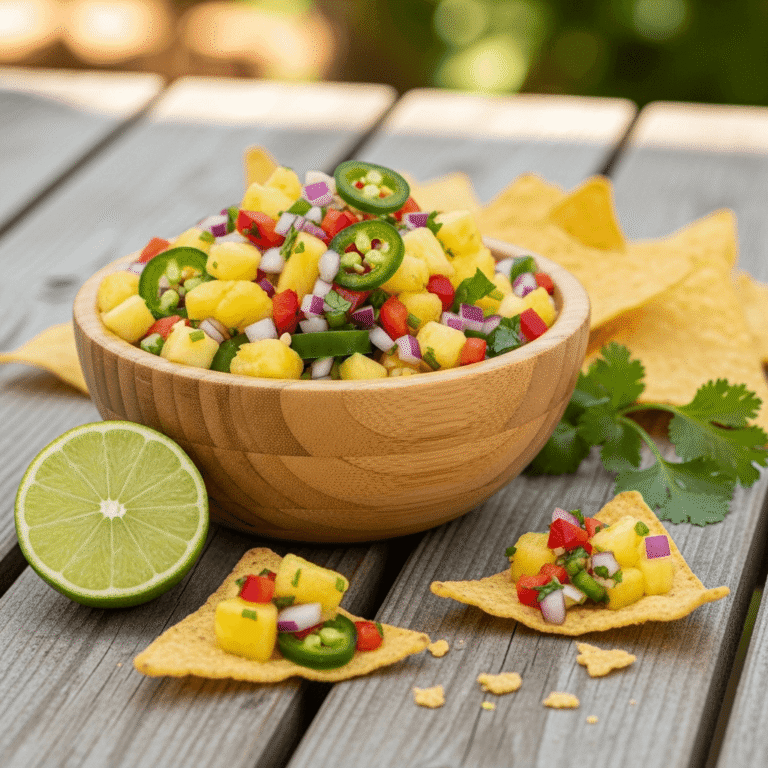
This fresh pineapple salsa is a vibrant, tropical blend of sweet pineapple, crisp vegetables, spicy jalapeño, and zesty lime. Perfect for topping grilled fish, chicken, tacos, or simply dipping with tortilla chips!
- Total Time: 15 minutes
- Yield: About 4 cups (8 servings) 1x
Ingredients
- 2 cups fresh pineapple, diced into ½-inch pieces (about 1 medium pineapple)
- 1 medium red bell pepper, finely diced
- ½ cup red onion, finely diced (about ½ medium onion)
- 1 jalapeño pepper, seeded and minced (adjust to heat preference)
- ¼ cup fresh cilantro, chopped
- ¼ cup fresh lime juice (from 2-3 limes)
- ½ teaspoon salt, or to taste
- ¼ teaspoon black pepper (optional)
Optional Add-Ins:
- 1 cup diced mango for extra sweetness
- 1 avocado, diced (add just before serving)
- 2 tablespoons fresh mint, chopped
- 1 cup black beans, drained and rinsed
- ½ cup diced cucumber
Instructions
- Prepare the pineapple: If using fresh pineapple, cut off the top and bottom, stand upright, and slice off the skin following the curve of the fruit. Cut into quarters lengthwise, remove the tough core from each quarter, then dice the fruit into ½-inch pieces. You should have about 2 cups. Place diced pineapple in a large mixing bowl.
- Dice the vegetables: Finely dice the red bell pepper into pieces similar in size to the pineapple (about ½-inch). Finely dice the red onion into small pieces. If you find raw onion too strong, soak the diced onion in cold water for 5-10 minutes, then drain well and pat dry—this mellows the sharp bite.
- Prepare the jalapeño: Wearing gloves or being very careful, slice the jalapeño in half lengthwise. Remove the seeds and white membranes for milder heat (keep them in for spicier salsa). Finely mince the jalapeño into very small pieces so heat distributes evenly.
- Chop the cilantro: Rinse fresh cilantro and pat dry. Remove thick stems (though thin stems are fine to include), then roughly chop the leaves and tender stems. You’ll need about ¼ cup chopped.
- Combine ingredients: Add the diced bell pepper, red onion, minced jalapeño, and chopped cilantro to the bowl with pineapple. Squeeze fresh lime juice over everything (about ¼ cup—taste and add more if you like it tangier). Add salt and black pepper if using.
- Mix gently: Using a large spoon, gently fold all ingredients together until evenly combined. Taste and adjust seasonings—you might want more lime juice, salt, or jalapeño depending on your preference. Remember that flavors will intensify as the salsa sits.
- Let flavors meld (optional but recommended): For best flavor, cover the bowl and refrigerate for at least 30 minutes before serving. This allows the flavors to marry and develop. The salsa can be served immediately if needed, but it’s even better after chilling.
- Serve: Give the salsa a good stir before serving. Serve chilled or at room temperature with tortilla chips, over grilled fish or chicken, on tacos, or however you like! Garnish with extra cilantro leaves if desired.
Notes
- Pineapple selection: Choose a ripe pineapple that smells sweet and has golden-yellow skin. Green pineapples are underripe and too tart.
- Consistent dice size: Cutting all ingredients to similar size creates better texture and ensures every bite has a good flavor balance.
- Adjust heat level: Start with half a jalapeño (seeds removed) for mild. Add more to taste after trying the initial batch.
- Drainage: If your salsa seems watery after sitting, drain off excess liquid before serving. Fresh pineapple releases juice over time.
- Fresh is best: This salsa is best enjoyed within 2-3 days while ingredients are still crisp and fresh.
- Cilantro alternative: If you don’t like cilantro, substitute fresh parsley or omit herbs entirely—the salsa will still be delicious.
- Prep Time: 15 minutes
- Cook Time: 0 minutes
- Category: Appetizer
- Method: No-Cook
- Cuisine: Fusion
- Diet: Gluten Free
Nutrition
- Serving Size: ½ cup
- Calories: 35
- Sugar: 6g
- Sodium: 150mg
- Fat: 0g
- Saturated Fat: 0g
- Unsaturated Fat: 0g
- Trans Fat: 0g
- Carbohydrates: 9g
- Fiber: 1g
- Protein: 1g
- Cholesterol: 0mg
Tips & Variations
The beauty of this tropical salsa is its incredible versatility! Here are endless ways to customize it:
Fruit Variations:
- Mango Pineapple Salsa: Add 1 cup diced mango for tropical sweetness
- Strawberry Pineapple: Replace half the pineapple with diced strawberries
- Peach Pineapple: Add diced fresh peaches for stone fruit flavor
- Tropical Mix: Combine pineapple with mango, papaya, and kiwi
- Grilled Pineapple Salsa: Grill pineapple slices first for smoky-sweet flavor
Heat Level Adjustments:
- Mild: Remove all jalapeño seeds, use only half a pepper
- Medium: Recipe as written with one jalapeño, seeds removed
- Spicy: Use two jalapeños, keep some seeds, or add serrano pepper
- Extra Hot: Add habanero pepper or a dash of hot sauce
- No Heat: Omit jalapeño entirely or use sweet mini peppers
Flavor Twists:
- Asian-Inspired: Add fresh ginger, a splash of rice vinegar, and sesame seeds
- Caribbean Style: Mix in diced mango, fresh mint, and a pinch of allspice
- Tex-Mex: Add black beans, corn, and a squeeze of orange juice
- Tropical Herb: Add fresh basil or mint along with cilantro
- Smoky: Add a pinch of smoked paprika or chipotle powder
Add-Ins for Heartiness:
- Black beans for protein
- Corn kernels for sweetness
- Diced avocado for creaminess (add just before serving)
- Diced cucumber for extra crunch
- Chopped macadamia nuts for island flair
Dietary Modifications:
- Lower Sodium: Reduce or omit salt, use low-sodium if serving with chips
- AIP/Paleo: Already compliant! Just omit black pepper if following strict AIP
- Low-FODMAP: Reduce onion amount or use green onion tops only
- Whole30: Already compliant as written
Pro Chef Tips
Want restaurant-quality tropical salsa? These professional techniques make all the difference:
1. Cut ingredients to uniform size for professional presentation and consistent bites. Restaurant chefs know that consistent dice size isn’t just about looks—it’s about ensuring every forkful has balanced flavors and textures. Aim for ½-inch pieces throughout. When everything is the same size, you get perfect bites where sweet pineapple, crisp pepper, and spicy jalapeño all hit your palate simultaneously.
2. Don’t skip the lime juice—it’s the essential flavor bridge. The acidity from fresh lime juice does multiple things: it brightens all the other flavors, balances the pineapple’s sweetness, prevents enzymatic browning (keeping ingredients looking fresh), and adds that authentic salsa tang. Professional cooks know that acid is what makes flavors “pop.” Without it, the salsa tastes flat and one-dimensional.
3. Let the salsa rest for at least 30 minutes before serving. This isn’t just a suggestion—it’s the secret to superior flavor! As the salsa sits, salt draws out moisture from vegetables, creating a light natural “dressing.” Flavors mingle and intensify. Ingredients soften slightly and marry together. The 30-minute rest transforms good salsa into great salsa. If time allows, make it 2-4 hours ahead for even better results.
4. Use ripe but firm pineapple for the perfect texture balance. Too-firm (underripe) pineapple is tart and fibrous. Overripe pineapple is mushy and fermented-tasting. Look for golden-yellow skin, sweet fragrance at the base, and leaves that pull out with gentle tugging. The fruit should yield slightly to pressure but still feel firm. This ensures optimal sweetness and crisp texture that holds up in the salsa.
5. Toast your own spices for deeper, more complex flavor. Professional chefs often toast whole cumin seeds in a dry pan until fragrant, then grind them fresh. If you’re feeling ambitious, this technique takes your salsa from great to extraordinary. Even just 30 seconds of toasting amplifies the spice’s essential oils and creates richer flavor.
6. Taste and adjust at the end—trust your palate. Every pineapple has different sweetness, every jalapeño has different heat, every lime has different acidity. Professional cooks always taste and adjust. Start with the recipe, then add more lime for brightness, more salt for savoring, more jalapeño for heat, or more cilantro for freshness until it tastes perfect to YOU.
7. Keep ingredients chilled for maximum refreshment. Restaurant kitchens keep salsas cold until service. Cold ingredients stay crisp longer and taste more refreshing. Chill your serving bowl in the freezer for 15 minutes before adding salsa for an extra-cold presentation that guests will notice.
8. Dress it up with fresh garnishes right before serving. Just before serving, add a final flourish: a few whole cilantro leaves on top, a lime wheel on the side of the bowl, or a light drizzle of quality olive oil. These finishing touches create restaurant-level presentation with minimal effort.
Common Mistakes to Avoid
Even simple recipes have pitfalls. Here’s what to watch out for:
1. Using canned pineapple without adjusting for excess sweetness. Canned pineapple is packed in syrup (even “juice-packed” varieties have added sweetness) and has a softer texture than fresh. If you must use canned, drain thoroughly, rinse under cold water to remove excess sugar, and pat dry with paper towels. Even then, the salsa won’t have the same bright, fresh flavor and crisp texture as fresh pineapple. Always opt for fresh when possible.
2. Cutting ingredients to drastically different sizes. When pineapple chunks are huge but onion is minced tiny, you get inconsistent bites—some overly sweet, others overly oniony. Aim for all ingredients roughly ½-inch dice. This ensures balanced flavor in every spoonful and creates professional-looking presentation. Take the extra time to cut uniformly—it matters!
3. Skipping the resting time and serving immediately. Fresh-made salsa tastes raw and disjointed—the flavors haven’t had time to meld. The onion is too sharp, the salt hasn’t penetrated, the lime juice sits on the surface. Even a 30-minute rest transforms the salsa dramatically. If you’re short on time, at least give it 15 minutes. The difference between immediate and rested salsa is the difference between amateur and professional.
4. Not draining excess liquid before serving. Fresh pineapple and tomatoes release juice as they sit, especially once salt is added. Before serving, if liquid has accumulated at the bottom of the bowl, drain some off (save it for cocktails or smoothies!). Excess liquid makes chips soggy and creates a watery, diluted salsa instead of a chunky, flavorful one.
5. Using old, flavorless cilantro or bottled lime juice. These ingredients are the flavor backbone of the salsa. Wilted, yellowing cilantro tastes musty. Bottled lime juice tastes artificial and flat. Always use fresh cilantro with bright green leaves and perky stems, and squeeze fresh limes right before mixing. This isn’t an area to cut corners—fresh herbs and citrus make or break the recipe.
Storage & Meal Prep
This fresh pineapple salsa is perfect for meal prep and actually improves with a day of rest!
Refrigerator Storage: Store pineapple salsa in an airtight container in the refrigerator for up to 3 days. The salsa is best enjoyed within the first 2 days while ingredients remain crisp and fresh. After day 3, vegetables begin to soften and lose their crisp texture, though the flavor remains good. Always stir before serving as liquids may settle to the bottom.
Maintaining Freshness:
- Store in smallest container possible to minimize air exposure
- Press plastic wrap directly onto surface of salsa before sealing container (prevents oxidation)
- Drain excess liquid before serving if accumulation occurs
- Don’t add avocado until right before serving (it browns quickly)
- Give salsa a good stir before each serving
Meal Prep Strategy: Pineapple salsa is excellent for weekly meal prep:
- Make a large batch on Sunday
- Store in refrigerator in airtight container
- Use throughout week as:
- Quick taco topping
- Grilled chicken or fish accompaniment
- Chip dip for lunches
- Salad topper for added flavor
- Protein bowl ingredient
Serving Refrigerated Salsa:
- Remove from fridge 15-20 minutes before serving for best flavor (slightly cool is better than ice cold)
- Or serve chilled if you prefer—it’s refreshing on hot days!
- Drain any accumulated liquid and give it a good stir
Make-Ahead & Freezer Notes
Make-Ahead Preparation:
Up to 2 Days Ahead:
- Prepare salsa completely according to recipe
- Store in airtight container in refrigerator
- Actually tastes better the next day as flavors meld!
- Stir well and drain any liquid before serving
Day-Of Prep:
- Dice all ingredients up to 4 hours ahead
- Store components separately in refrigerator
- Combine and season 30 minutes before serving for freshest texture
- This method keeps vegetables crispest
Freezing Information: Freezing pineapple salsa is NOT recommended. Here’s why:
- Fresh pineapple has high water content that crystallizes when frozen
- Upon thawing, vegetables become mushy and watery
- Texture completely deteriorates
- Cilantro turns brown and slimy
- The fresh, crisp quality that makes this salsa special is lost
If You Must Freeze: The only component that freezes reasonably well is the pineapple alone:
- Dice fresh pineapple, freeze on baking sheet until solid
- Transfer to freezer bags, freeze up to 3 months
- Thaw and drain extremely well
- Add to freshly prepared salsa ingredients
- Texture won’t be quite as good but acceptable
Best Make-Ahead Strategy: For maximum freshness, always make pineapple salsa fresh or up to 2 days ahead and store refrigerated. This is one recipe where fresh truly is best!
Serving Suggestions
This versatile tropical salsa shines in so many delicious ways! Here’s how to serve it:
As an Appetizer/Dip:
- Tortilla chips: Classic pairing—use white corn, blue corn, or plantain chips
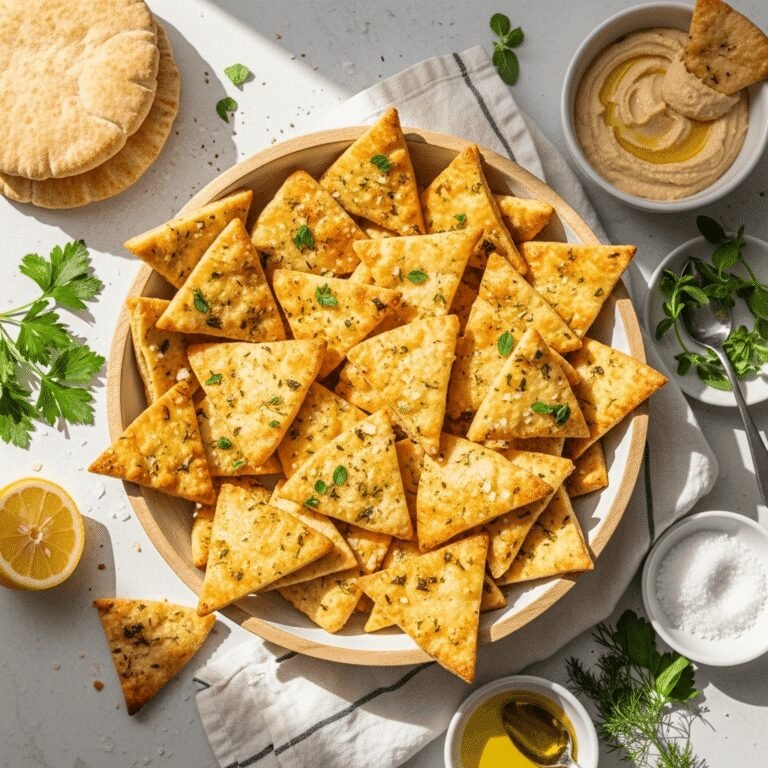
- Pita chips: For Mediterranean twist
- Crackers: Water crackers or whole grain crackers
- Vegetable sticks: Jicama, bell pepper strips, or cucumber for low-carb option
- Coconut shrimp: Perfect tropical pairing
As a Topping for Proteins:
- Fish tacos: Especially good with mahi-mahi, tilapia, or cod
- Grilled fish: Salmon, tuna, swordfish, or any white fish
- Grilled chicken: Brightens simple grilled chicken breasts or thighs
- Shrimp: Pairs beautifully with grilled or sautéed shrimp
- Pork: Excellent with grilled pork chops or pulled pork
- Tofu: Great for vegetarian meals
In Tacos and Bowls:
- Fish tacos
- Chicken tacos
- Carnitas tacos
- Burrito bowls
- Poke bowls
- Grain bowls with quinoa or rice
Creative Serving Ideas:
- Salad topper: Adds sweet-spicy kick to green salads
- Quesadilla filling: Mix into cheese quesadillas
- Burger topper: Transforms regular burgers into tropical treats
- Bruschetta: Serve on toasted bread slices for appetizer
- Lettuce wraps: Filling for fresh lettuce cups
Complete Meal Pairings: Serve alongside:
- Black beans and rice
- Mexican street corn (elote)
- Cilantro lime rice
- Jicama slaw
- Guacamole and queso
- Grilled vegetables
- Fresh fruit salad
Beverage Pairings:
- Cocktails: Margaritas, piña coladas, mojitos, or palomas
- Beer: Light lagers, Mexican beers, or wheat beers
- Wine: Sauvignon Blanc, Pinot Grigio, or dry Riesling
- Non-alcoholic: Sparkling water with lime, lemonade, or fresh fruit agua fresca
Occasions Perfect for This:
- Summer BBQs and pool parties
- Taco Tuesday dinners
- Cinco de Mayo celebrations
- Beach picnics
- Game day gatherings
- Potlucks and cookouts
- Tropical-themed parties
- Healthy meal prep Sundays
FAQs Section
Q: Can I use canned pineapple instead of fresh? A: While fresh pineapple is strongly recommended for best flavor and texture, you can use canned in a pinch. Make sure to use pineapple chunks (not crushed), drain them extremely well, and rinse under cold water to remove excess syrup. Pat completely dry with paper towels before using. Be aware that canned pineapple is softer and sweeter than fresh, so the salsa won’t have quite the same crisp texture or balanced flavor. For best results, always choose fresh pineapple.
Q: How can I make this salsa less spicy for kids? A: To make kid-friendly pineapple salsa, simply omit the jalapeño entirely or replace it with diced sweet mini peppers (they look like jalapeños but have no heat). You can also use just ⅛ teaspoon of the jalapeño with all seeds and membranes removed for the tiniest hint of flavor without actual spice. Kids usually love the sweet pineapple flavor, so reducing heat makes this salsa very kid-approved!
Q: Why is my salsa watery? A: Watery salsa happens because fresh pineapple, tomatoes, and onions release natural juices, especially once salt is added (salt draws out moisture). This is normal! To minimize: (1) Use ripe but firm pineapple (not overripe and mushy), (2) Let salsa sit in a colander for 5 minutes before serving to drain excess juice, (3) If using canned pineapple, drain and rinse thoroughly, or (4) Simply drain off accumulated liquid at the bottom before serving. A little liquid is fine, but if it’s swimming in juice, drain some off.
Q: How long does homemade pineapple salsa last? A: Fresh pineapple salsa stays good in the refrigerator for 2-3 days when stored in an airtight container. It’s best enjoyed within the first 2 days while vegetables are still crisp and fresh. After day 3, vegetables begin to soften and lose texture, though it’s still safe to eat. Always check for signs of spoilage (off smell, mold, sliminess) before eating. This is a fresh salsa, not a cooked/preserved one, so it has a shorter shelf life than jarred salsas.
Q: Can I make this salsa ahead of time? A: Yes! In fact, pineapple salsa often tastes better when made ahead. Prepare it anywhere from 30 minutes to 2 days before serving. The resting time allows flavors to meld and develop. Store covered in the refrigerator, then stir well and drain any excess liquid before serving. If adding avocado, add it just before serving to prevent browning. For best texture, don’t make it more than 2 days ahead as vegetables will start to soften.
Q: What can I serve pineapple salsa with besides chips? A: Pineapple salsa is incredibly versatile! Serve it over grilled fish (especially mahi-mahi, salmon, or tilapia), grilled chicken, shrimp tacos, fish tacos, pork chops, burgers, quesadillas, or salad greens. It’s also delicious on bruschetta, in lettuce wraps, or as a topping for rice bowls or grain bowls. The sweet-spicy flavor complements almost any protein and adds brightness to simple meals.
Q: Can I add other fruits to this salsa? A: Absolutely! Pineapple salsa is very adaptable. Popular additions include diced mango (for extra tropical sweetness), diced strawberries (for berry flavor), diced peaches (for stone fruit sweetness), diced papaya (for tropical flair), or pomegranate seeds (for tart pop and beautiful color). Just keep the total fruit amount around 2-3 cups so the salsa doesn’t become too sweet or lose its salsa character. Balance fruit with vegetables and seasonings.
Conclusion
There you have it—everything you need to know to make the most vibrant, refreshing, absolutely irresistible pineapple salsa that will transport you straight to the tropics with every bite! This easy pineapple salsa recipe proves that with just a handful of fresh ingredients and 15 minutes of chopping, you can create something that rivals any restaurant version and tastes infinitely better than anything from a jar.
The beauty of this fresh pineapple salsa is its universal appeal and incredible versatility. It’s sweet enough for kids, spicy enough for heat lovers, healthy enough for daily eating, and impressive enough for entertaining. Whether you’re topping grilled fish, filling tacos, or just munching with chips on a sunny afternoon, this tropical salsa delivers bright, fresh flavor every single time. Plus, it’s naturally vegan, gluten-free, and packed with vitamin C—proving that the healthiest foods can also be the most delicious!
I’d love to hear about your pineapple salsa adventures! Did you serve it at a summer party where it disappeared within minutes? What protein did you pair it with? Did you add mango or keep it classic? Drop a comment below and share your experience—I read every comment and love hearing about your variations, serving ideas, and which family members claimed the leftovers!