Classic Southern Pimento Cheese Recipe – The Ultimate Homemade Spread
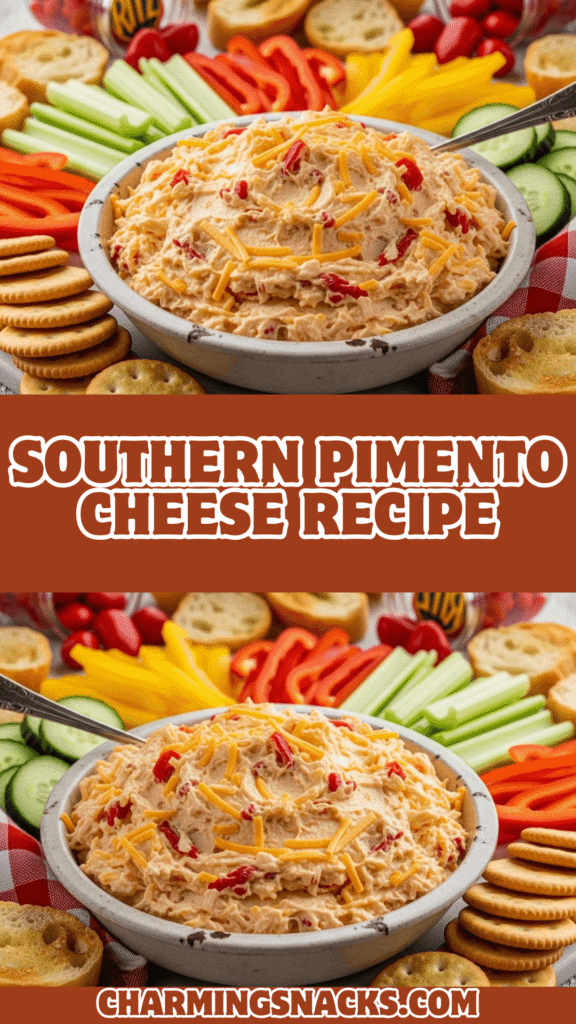
Welcome to the world of pimento cheese—affectionately known as “the pâté of the South” and arguably one of the most beloved spreads in Southern cuisine! If you’ve never experienced the creamy, tangy, slightly sweet magic of homemade pimento cheese, you’re in for an absolute treat. This isn’t just any cheese spread; it’s a Southern institution that’s been gracing tables at picnics, potlucks, baby showers, and holiday gatherings for generations.
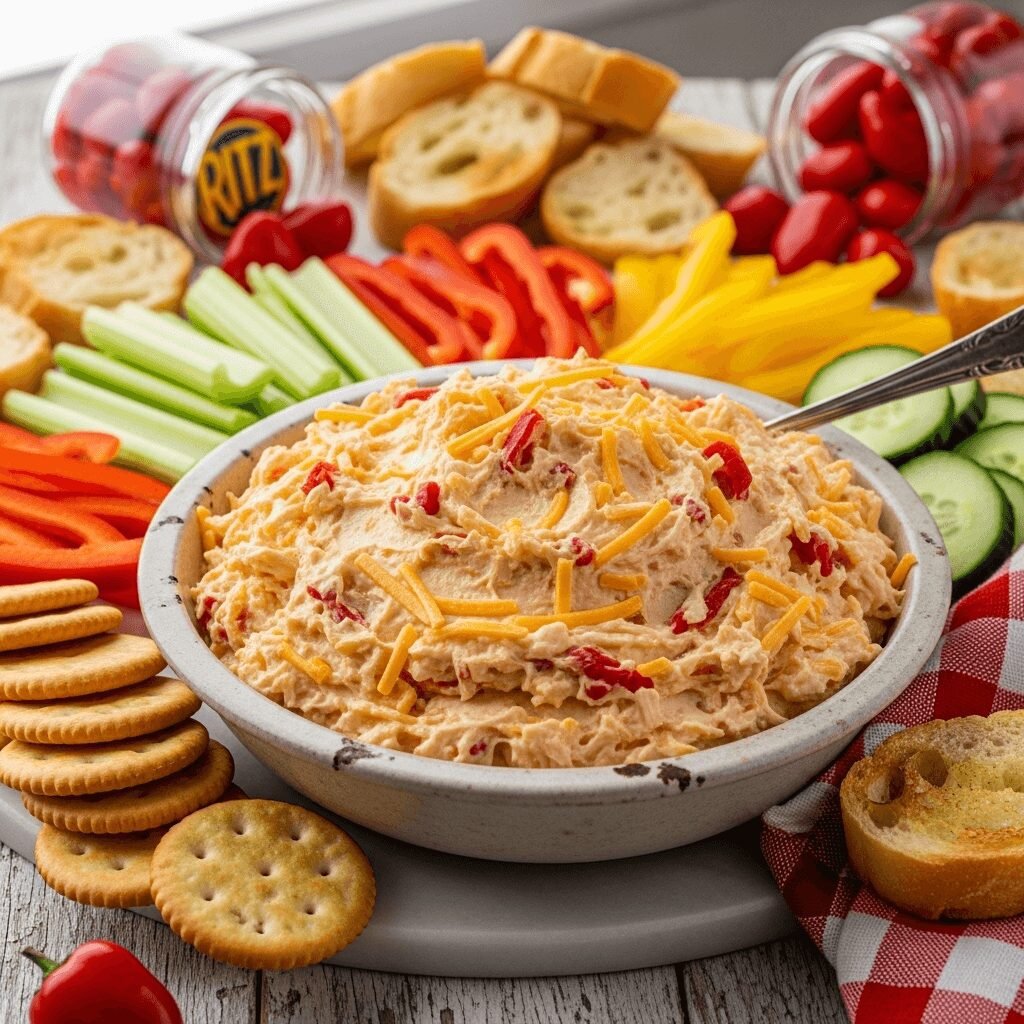
This classic pimento cheese recipe combines sharp cheddar cheese with sweet roasted red peppers (pimentos), creamy mayonnaise, and a touch of seasoning to create a versatile spread that’s downright addictive. Unlike the store-bought versions that often taste processed and one-dimensional, homemade pimento cheese is rich, flavorful, and incredibly easy to customize to your taste preferences. The texture hits that perfect balance between creamy and chunky, with shreds of cheese that melt in your mouth alongside bits of sweet, smoky pimento peppers.
You can enjoy pimento cheese in countless ways—slathered on crackers as an appetizer, spread between two slices of soft white bread for the ultimate Southern sandwich, stuffed into celery sticks for a retro party snack, melted into a grilled cheese, dolloped on burgers, or even used as a dip for fresh vegetables. It’s the kind of recipe that works for fancy entertaining and casual weeknight snacking alike. Once you taste homemade pimento cheese, you’ll never go back to the store-bought tubs again!
History / Background
Pimento cheese has a fascinating history that’s deeply rooted in American culinary tradition, though its exact origins are somewhat debated by food historians. The story begins in the late 1800s when cream cheese became commercially available in New York, and around the same time, Spanish pimento peppers were being imported to the United States. These sweet, heart-shaped red peppers were a novelty, and their mild, slightly sweet flavor made them incredibly popular.
The earliest versions of pimento cheese appeared in the North, not the South! Food magazines and cookbooks from the early 1900s featured recipes for pimento cheese that were marketed as elegant, sophisticated fare for tea sandwiches and ladies’ luncheons. These early recipes typically combined cream cheese with chopped pimentos and were considered quite upscale. Some food historians trace pimento cheese recipes back to as early as 1908, when it appeared in publications like Good Housekeeping and The National Magazine.
So how did pimento cheese become synonymous with Southern cuisine? The transformation happened gradually throughout the early-to-mid 20th century. As commercial mayonnaise became widely available and refrigeration became standard in American homes, the recipe evolved. Southern cooks began swapping cream cheese for sharp cheddar (which was more affordable and readily available in the South) and binding it with mayonnaise instead. This created the tangy, sharper version we know and love today.
By the 1940s and 1950s, pimento cheese had firmly established itself as a Southern staple. It became the go-to sandwich filling for church gatherings, school lunches, bridge club meetings, and picnics. Its popularity surged because it was economical, didn’t require refrigeration for short periods (important in the pre-air conditioning South), and could feed a crowd inexpensively. The combination of sharp cheese, sweet peppers, and creamy mayo proved irresistible to Southern palates.
Pimento cheese also gained legendary status at the Masters Tournament in Augusta, Georgia, where the famous pimento cheese sandwich has been sold since the 1980s for just $1.50 (an incredible bargain that has become part of Masters tradition). This association with the prestigious golf tournament elevated pimento cheese from humble Southern spread to cultural icon.
Today, pimento cheese has experienced a renaissance, appearing on upscale restaurant menus across the country, not just in the South. Chefs have created gourmet variations with artisanal cheeses, house-made mayonnaise, and creative add-ins like bacon, jalapeños, or smoked paprika. Yet the classic recipe remains beloved for its simplicity and nostalgic comfort-food appeal.
Why You’ll Love This Recipe
This homemade pimento cheese recipe is about to become your new entertaining secret weapon and snack-time obsession. There’s something incredibly satisfying about making your own pimento cheese from scratch—it takes less than 15 minutes, uses simple ingredients you probably have on hand, and tastes infinitely better than anything you can buy pre-made at the grocery store. The flavor is brighter, the texture is perfect, and you have complete control over the ingredients and seasonings.
Here’s why this classic pimento cheese recipe deserves a permanent spot in your refrigerator:
- Ridiculously Easy: Requires zero cooking and comes together in under 15 minutes—just grate, chop, mix, and you’re done
- Budget-Friendly: Uses affordable, everyday ingredients that won’t break the bank, making it perfect for feeding a crowd
- Incredibly Versatile: Works as a spread, dip, sandwich filling, burger topping, or melted into countless dishes
- Make-Ahead Perfection: Tastes even better after the flavors meld overnight, making it ideal for party prep
- Crowd-Pleasing: Appeals to kids and adults alike—it’s comfort food that everyone loves
- Customizable: Easily adjust the heat level, texture, and flavor profile to suit your preferences
- No Special Equipment Needed: Requires only a bowl, grater, and spoon—no fancy appliances necessary
- Keeps Well: Stays fresh in the refrigerator for up to a week, so you can enjoy it multiple ways throughout the week
- Perfect for Potlucks: Travels well and is always the first thing to disappear at gatherings
- Authentic Southern Flavor: Tastes like the real deal—genuine comfort food with nostalgic appeal
Whether you’re a Southern transplant missing home cooking, a curious cook exploring regional American cuisine, or simply someone who loves a good cheese spread, this pimento cheese recipe will not disappoint. It’s foolproof, delicious, and guaranteed to have you scraping the bowl clean.
Ingredient Notes
The beauty of pimento cheese lies in its simplicity—just a handful of ingredients combine to create something truly special. Understanding each component helps you make the best version possible and know how to customize it to your taste.
Sharp Cheddar Cheese: This is the heart and soul of your pimento cheese. Sharp or extra-sharp cheddar provides the tangy, bold flavor that makes this spread so addictive. I strongly recommend buying block cheese and shredding it yourself rather than using pre-shredded cheese. Pre-shredded cheese contains anti-caking agents (usually cellulose) that prevent it from melting smoothly and creating that creamy texture we’re after. Freshly grated cheese also has better flavor and melts more seamlessly into the mayonnaise. For the best results, use a good-quality sharp cheddar—it doesn’t need to be fancy, but avoid the ultra-mild varieties. Some Southern cooks swear by using a blend of sharp and extra-sharp cheddar for maximum flavor depth.
Pimentos (Roasted Red Peppers): Pimentos are sweet, heart-shaped red peppers that have been roasted and packed in jars. You’ll find them in the pickle and olive aisle of most grocery stores, usually labeled as “diced pimentos” or “chopped pimentos.” They provide that signature sweetness and beautiful red color throughout the spread. Make sure to drain them very well—excess liquid will make your pimento cheese runny. If you can’t find jarred pimentos, you can substitute with roasted red peppers (also jarred), though the flavor will be slightly smokier and less sweet. Some cooks prefer using fire-roasted red peppers for a deeper flavor profile.
Mayonnaise: This is the creamy binder that holds everything together and gives pimento cheese its rich, smooth texture. Use full-fat mayonnaise for the best flavor and consistency—reduced-fat versions tend to be watery and don’t provide the same richness. Duke’s mayonnaise is the gold standard in the South and many Southerners swear it makes the best pimento cheese, but Hellmann’s (or Best Foods, depending on your region) works beautifully too. Avoid Miracle Whip, as its sweetness and different flavor profile will dramatically change the taste of your pimento cheese.
Cream Cheese: While not traditional in the very oldest recipes, a bit of softened cream cheese adds extra creaminess and helps create that perfect spreadable texture. It also contributes a slight tanginess that complements the sharp cheddar. Make sure your cream cheese is at room temperature before mixing, or it will create lumps in your spread. If you prefer a more traditional, less creamy version, you can omit the cream cheese and use slightly more mayonnaise.
Worcestershire Sauce: Just a splash adds a subtle savory depth and umami flavor that makes people wonder what your secret ingredient is. It’s not enough to taste distinctly, but it rounds out all the other flavors beautifully.
Garlic Powder and Onion Powder: These dried seasonings add savory depth without the harsh bite of raw garlic or onion, which would be too strong for this delicate spread. They also distribute evenly throughout the mixture, ensuring consistent flavor in every bite.
Cayenne Pepper: A tiny pinch adds warmth and complexity without making the spread spicy. It enhances the other flavors rather than overwhelming them. You can adjust this to taste or omit it entirely if you’re serving children or prefer no heat whatsoever.
Black Pepper: Freshly cracked black pepper adds a subtle bite and aromatic quality that elevates the overall flavor profile.
Optional Add-Ins: Many Southern cooks have their own signature variations. Common additions include a splash of hot sauce (Texas Pete or Tabasco), diced jalapeños for heat, crispy bacon bits for smokiness, a pinch of smoked paprika, finely minced fresh garlic, or even a splash of pickle juice for extra tang.
Equipment Needed
One of the best things about making homemade pimento cheese is that it requires minimal equipment—no fancy appliances or special tools needed! Here’s what you’ll need to create this Southern classic:
- Box Grater or Food Processor with Shredding Attachment: For shredding your block of cheddar cheese. A box grater with large holes works perfectly and gives you control over the texture. If you have a food processor with a shredding disc, that makes the job even faster, especially if you’re making a large batch.
- Large Mixing Bowl: A medium to large bowl gives you plenty of room to mix everything together without making a mess. Glass or stainless steel works great.
- Rubber Spatula or Large Spoon: For mixing all the ingredients together and ensuring everything is evenly distributed. A sturdy rubber spatula is ideal because it scrapes the bowl clean and folds ingredients together gently.
- Small Strainer or Paper Towels: For draining the jarred pimentos thoroughly. Excess liquid is the enemy of good pimento cheese texture!
- Sharp Knife and Cutting Board: For chopping the drained pimentos if they’re not already diced small enough (some jars have larger pieces).
- Measuring Cups and Spoons: For accurate measurements of mayonnaise, cream cheese, and seasonings.
- Airtight Storage Container: For storing your finished pimento cheese in the refrigerator. A container with a tight-sealing lid keeps it fresh for up to a week.
- Optional – Food Processor: If you prefer a smoother, more uniform texture, you can pulse the finished mixture a few times in a food processor. However, most traditional pimento cheese is mixed by hand for a more rustic, chunky texture.
That’s it! This is truly a no-fuss recipe that anyone can make, regardless of cooking experience or kitchen equipment.
PrintClassic Southern Pimento Cheese Recipe
This classic Southern pimento cheese recipe combines sharp cheddar cheese with sweet roasted red peppers, creamy mayonnaise, and savory seasonings to create the ultimate homemade spread. Perfect for sandwiches, crackers, or as a dip, this easy no-cook recipe is ready in just 15 minutes and tastes infinitely better than store-bought versions.
- Total Time: 15 minutes
- Yield: 12 servings (about 3 cups) 1x
Ingredients
Main Ingredients:
- 16 oz (4 cups) sharp cheddar cheese, freshly grated from a block
- 4 oz (½ cup) cream cheese, softened to room temperature
- ½ cup mayonnaise (Duke’s or Hellmann’s preferred)
- 1 jar (4 oz) diced pimentos, very well drained
- 1 teaspoon Worcestershire sauce
- ½ teaspoon garlic powder
- ½ teaspoon onion powder
- ¼ teaspoon cayenne pepper (adjust to taste)
- ¼ teaspoon freshly ground black pepper
- ⅛ teaspoon salt (optional, taste first as cheese is already salty)
Optional Add-Ins:
- 1-2 tablespoons diced jalapeños for extra heat
- 2-3 strips crispy bacon, crumbled
- 1 tablespoon hot sauce (Texas Pete or Tabasco)
- ½ teaspoon smoked paprika for a smoky flavor
Instructions
Step 1: Prepare Your Ingredients
Remove the cream cheese from the refrigerator and let it sit at room temperature for 30 minutes to soften—this ensures smooth mixing without lumps. Meanwhile, grate your cheddar cheese using the large holes of a box grater or the shredding disc of your food processor. Freshly grated cheese is crucial for the best texture and flavor. Open your jar of pimentos and drain them thoroughly in a small strainer, pressing gently with a spoon to remove excess liquid. If the pimento pieces are large, chop them into smaller, uniform pieces (about ¼-inch dice).
Step 2: Combine the Creamy Base
In a large mixing bowl, combine the softened cream cheese and mayonnaise. Using a rubber spatula or sturdy spoon, mix these together until smooth and well blended with no lumps of cream cheese remaining. This creates your creamy base that will hold all the other ingredients together. If your cream cheese isn’t quite soft enough and you’re getting lumps, you can use a hand mixer on low speed for 30 seconds to smooth it out.
Step 3: Add Seasonings
To the cream cheese and mayonnaise mixture, add the Worcestershire sauce, garlic powder, onion powder, cayenne pepper, and black pepper. Stir until all the seasonings are evenly distributed throughout the creamy base. This is when your pimento cheese starts to smell amazing!
Step 4: Fold in the Cheese
Add the freshly grated sharp cheddar cheese to the bowl. Using your rubber spatula, gently fold the cheese into the creamy mixture. Take your time here—you want to coat every shred of cheese with the mayonnaise mixture while maintaining some of that chunky texture that makes homemade pimento cheese so special. Mix until everything is well combined and evenly distributed, but don’t over-mix or the cheese will start to break down too much.
Step 5: Add the Pimentos
Add the well-drained, diced pimentos to the bowl. Gently fold them in, distributing them evenly throughout the mixture. You want those beautiful red pieces visible throughout your pimento cheese for both flavor and visual appeal. Make sure they’re evenly incorporated so every bite has that sweet pimento flavor.
Step 6: Taste and Adjust
This is the most important step! Taste your pimento cheese and adjust the seasonings as needed. Does it need more tang? Add another small splash of Worcestershire or a squeeze of lemon juice. Want more heat? Add a pinch more cayenne or a dash of hot sauce. If the cheese you used was particularly salty, you probably won’t need any additional salt, but if it tastes flat, a tiny pinch can help. Remember, the flavors will develop and intensify as it sits, so don’t over-season.
Step 7: Chill and Serve
Transfer your pimento cheese to an airtight container and refrigerate for at least 2 hours before serving. This chilling time allows the flavors to meld together beautifully and the texture to firm up slightly, making it easier to spread. For the very best flavor, make it a day ahead if possible. Before serving, let it sit at room temperature for 15-20 minutes to soften slightly—cold pimento cheese is harder to spread and the flavors are muted.
Step 8: Presentation
When ready to serve, transfer your pimento cheese to a pretty serving bowl. For an attractive presentation, you can smooth the top and create a small well in the center, then drizzle with a little extra olive oil or sprinkle with paprika or fresh herbs. Serve with crackers, bread, vegetables, or however you prefer!
Notes
- Cheese Shredding: Always grate cheese fresh from a block. Pre-shredded cheese contains cellulose powder that prevents proper melting and creates a grainy texture.
- Pimento Drainage: Thoroughly drain your pimentos! Excess liquid will make your spread runny and dilute the flavors.
- Room Temperature Cream Cheese: Don’t skip softening the cream cheese. Cold cream cheese creates lumps that are difficult to incorporate.
- Texture Preferences: For chunkier pimento cheese, hand-mix everything. For a smoother spread, pulse the finished mixture 3-4 times in a food processor (but not too much or you’ll lose that characteristic texture).
- Flavor Development: Pimento cheese always tastes better the next day after the flavors have had time to meld. Make it ahead when possible!
- Spice Level: Start with less cayenne if you’re sensitive to heat. You can always add more, but you can’t take it out.
- Prep Time: 15 minutes
- Cook Time: 0 minutes
- Category: Appetizer
- Method: No-Cook
- Cuisine: Southern American
- Diet: Gluten Free
Nutrition
- Serving Size: ¼ cup (about 60g)
- Calories: 185
- Sugar: 1g
- Sodium: 285mg
- Fat: 17g
- Saturated Fat: 7g
- Unsaturated Fat: 9g
- Trans Fat: 0g
- Carbohydrates: 2g
- Fiber: 0g
- Protein: 7g
- Cholesterol: 35mg
Tips & Variations
The wonderful thing about pimento cheese is how easily you can customize it to suit your taste preferences or what you have on hand. Here are some delicious variations and pro tips to make this recipe your own:
Spicy Pimento Cheese:
Add 2-3 tablespoons of finely diced pickled jalapeños (not fresh—pickled gives better flavor), a tablespoon of hot sauce, or a pinch of red pepper flakes. For serious heat lovers, try adding a teaspoon of finely minced fresh habanero pepper or a splash of your favorite hot honey.
Bacon Pimento Cheese:
Fold in 4-6 strips of crispy, crumbled bacon for a smoky, savory twist. The combination of salty bacon with sweet pimentos is absolutely incredible. This version is perfect for burgers or baked potatoes.
Jalapeño Popper Pimento Cheese:
Combine the best of both worlds by adding diced jalapeños, crispy bacon bits, and an extra ounce of cream cheese. This tastes just like jalapeño poppers in spread form!
Smoked Pimento Cheese:
Use smoked cheddar cheese (or half regular, half smoked) and add ½ teaspoon of smoked paprika. This variation has incredible depth and works beautifully for grilled cheese sandwiches.
Blue Cheese Pimento Cheese:
Replace ½ to 1 cup of the cheddar with crumbled blue cheese for a sophisticated, tangy variation. This version is amazing on crackers with a glass of wine.
Pepper Jack Pimento Cheese:
Swap out half the cheddar for pepper jack cheese to add both creaminess and a subtle heat that’s built right into the cheese.
Extra Creamy Version:
Increase the cream cheese to 8 oz and reduce the mayonnaise slightly. This creates an even creamier, more luxurious texture that’s perfect for spreading.
Chunky vs. Smooth:
For a chunkier texture, use the large holes on your grater and mix by hand. For a smoother spread that’s easier to pipe or use as a filling, pulse the finished mixture in a food processor 4-5 times.
Lighter Version:
Use reduced-fat cheddar cheese, light mayonnaise, and Neufchâtel cheese (light cream cheese) to cut calories and fat. The flavor won’t be quite as rich, but it’s still delicious.
Add Fresh Herbs:
Fold in 2 tablespoons of finely chopped fresh chives, parsley, or dill for a fresh, herbaceous note.
Horseradish Kick:
Add 1-2 teaspoons of prepared horseradish for a sharp, zesty bite that’s particularly good on roast beef sandwiches.
Pro Chef Tips
Want to take your homemade pimento cheese from good to absolutely exceptional? These professional techniques will elevate your spread to the next level:
Grate Your Own Cheese Every Time:
This is the single most important tip for perfect pimento cheese. Pre-shredded cheese is coated with cellulose (wood pulp!) and potato starch to prevent clumping, which creates a grainy, dry texture and prevents smooth melting. Freshly grated cheese from a block not only tastes better, but it also melts seamlessly into the mayonnaise, creating that creamy, cohesive texture you want. Yes, it takes an extra five minutes, but the difference is dramatic.
Let It Age:
Professional chefs know that many cheese-based dishes improve with age, and pimento cheese is no exception. While it’s tempting to dig in immediately, resist! Make your pimento cheese at least 24 hours before you plan to serve it. During this time, the cheese absorbs some of the moisture from the mayonnaise, the seasonings distribute evenly and bloom, and all the flavors marry together into something greater than the sum of its parts. Day-old pimento cheese is good; two-day-old pimento cheese is magical.
Balance Your Fat Content:
The ratio of cheese to mayonnaise to cream cheese is crucial for achieving that perfect spreadable-but-not-runny consistency. Too much mayo and it’ll be soupy; too little and it’ll be dry and crumbly. The recipe provided hits the sweet spot, but if you like yours a little looser (for dipping) or firmer (for spreading), adjust the mayo by a tablespoon or two in either direction.
Temperature Matters:
All your ingredients should be at room temperature when mixing—especially the cream cheese, but also the grated cheddar cheese. When ingredients are the same temperature, they emulsify more easily and create a smoother, more homogeneous mixture. Cold cheese won’t incorporate well into room-temperature mayo, creating an uneven texture.
Season in Layers:
Rather than dumping all the spices in at once, season your creamy base first (the mayo and cream cheese mixture), then taste. Add the cheese and pimentos, then taste again. This layering approach ensures you don’t over-season and allows you to adjust at each stage. Remember, you can always add more seasoning, but you can’t take it away.
Don’t Forget Acid:
A small amount of acid brightens all the flavors in pimento cheese. The Worcestershire sauce provides some, but if your spread tastes flat or one-dimensional, add a tiny squeeze of fresh lemon juice (start with ½ teaspoon) or a splash of pickle juice. This cuts through the richness and makes everything taste more vibrant.
Use Quality Pimentos:
Not all jarred pimentos are created equal. Look for brands that use actual pimento peppers rather than generic roasted red peppers. While they’re essentially interchangeable, true pimentos have a sweeter, more delicate flavor. Brands like Dromedary or Mezzetta are reliable choices available in most supermarkets.
Common Mistakes to Avoid
Even though pimento cheese is a simple recipe, there are several common pitfalls that can prevent you from achieving that perfect Southern-style spread. Here’s what to watch out for:
Using Pre-Shredded Cheese:
I can’t stress this enough—pre-shredded cheese is the enemy of good pimento cheese! The anti-caking agents prevent it from melting smoothly and creating that creamy, cohesive texture. You’ll end up with a dry, grainy spread that doesn’t hold together well. Always, always grate your own cheese from a block. If you’re making a large batch and want to save time, you can grate the cheese in advance and store it in an airtight container in the refrigerator for up to 2 days.
Not Draining the Pimentos Thoroughly:
Those jarred pimentos are packed in liquid, and if you don’t drain them well, that excess moisture will make your pimento cheese runny and watery. Pour the pimentos into a small strainer and let them drain for a few minutes, pressing gently with a spoon to extract as much liquid as possible. Some people even pat them dry with paper towels. This extra step ensures the perfect consistency.
Cold Cream Cheese:
Adding cold, firm cream cheese straight from the refrigerator is a recipe for lumpy pimento cheese disaster. Those chunks of cream cheese will never fully incorporate, leaving you with an uneven texture and pockets of bland cream cheese surrounded by over-seasoned cheese. Always let your cream cheese sit at room temperature for at least 30 minutes before mixing. If you forgot and need to soften it quickly, microwave it in 10-second increments, but be careful not to melt it.
Over-Mixing or Using a Blender:
While you want all the ingredients well combined, over-mixing can break down the cheese too much, creating a paste-like consistency rather than a spread with pleasant texture. Mix just until everything is evenly distributed. Similarly, don’t use a blender or over-process in a food processor—you’ll end up with cheese baby food. Pimento cheese should have some body and texture to it, with visible shreds of cheese and pieces of pimento.
Serving It Too Cold:
Pimento cheese straight from the refrigerator is firm, difficult to spread, and the flavors are muted by the cold temperature. Always let your pimento cheese sit at room temperature for 15-20 minutes before serving. It will soften to the perfect spreadable consistency and all those delicious flavors will come forward. This is especially important if you’re using it as a sandwich spread—cold pimento cheese tears bread and doesn’t spread smoothly.
Not Tasting and Adjusting:
Different brands of cheese, mayonnaise, and pimentos have varying levels of saltiness, tanginess, and sweetness. What works perfectly with one combination of brands might need adjustment with different products. Always taste your pimento cheese before refrigerating it and adjust the seasonings to your preference. Add more cayenne for heat, more Worcestershire for depth, or a squeeze of lemon juice for brightness. Making pimento cheese should be a personal process!
Storage & Meal Prep
One of the greatest things about pimento cheese is how well it keeps, making it perfect for meal prep and having on hand for quick snacks throughout the week.
Refrigerator Storage:
Store your pimento cheese in an airtight container in the refrigerator for up to 7 days. Glass containers or plastic containers with tight-sealing lids work best. Make sure to press the lid down firmly to minimize air exposure, which can cause the surface to dry out or develop off flavors. The cheese may firm up and become less spreadable as it sits—this is completely normal. Simply let it sit at room temperature for 15-20 minutes before serving to restore the creamy, spreadable consistency.
Preventing Separation:
Sometimes the oils from the cheese and mayonnaise can separate slightly during storage, causing a small amount of liquid to pool on the surface. This is harmless and normal. Simply stir the pimento cheese before serving to reincorporate everything. To minimize separation, make sure all your ingredients are at room temperature when mixing and don’t over-thin the mixture with too much mayonnaise.
Portioning for Convenience:
If you’re meal prepping, consider dividing your batch into smaller containers—one for the week’s snacking and one or two for the freezer. You can also portion it into small containers for lunch boxes (perfect for crackers or veggie dipping at work), or pack it into small jars to give as gifts (homemade pimento cheese makes a wonderful hostess gift!).
Meal Prep Ideas:
Pimento cheese is an excellent make-ahead component for meal prep. Use it throughout the week in different ways: Monday—spread on crackers for an afternoon snack; Tuesday—make pimento cheese sandwiches for lunch; Wednesday—stuff it into chicken breasts for dinner; Thursday—melt it on burgers; Friday—serve it as an appetizer dip with vegetables. This versatility means you can make one batch and enjoy it multiple ways without getting bored.
Traveling with Pimento Cheese:
If you’re taking pimento cheese to a potluck, picnic, or party, transport it in a cooler with ice packs to keep it food-safe. It can sit at room temperature for up to 2 hours safely, which makes it perfect for most gatherings. After that time, refrigerate any leftovers promptly.
Make-Ahead & Freezer Notes
Pimento cheese is one of those wonderful recipes that not only can be made ahead—it actually improves when made in advance!
Make-Ahead (1-3 Days):
This is the sweet spot for pimento cheese. Make it 1-3 days before you plan to serve it, and the flavors will meld and develop beautifully. The sharp bite of the cheddar mellows slightly, the pimentos infuse their sweetness throughout, and all the seasonings distribute evenly. Many Southerners insist that day-old pimento cheese is vastly superior to freshly made. I tend to agree—while fresh pimento cheese is delicious, there’s something magical about how the flavors marry after a night in the refrigerator. Store it in an airtight container and give it a good stir before serving.
Freezing Pimento Cheese:
Here’s the truth about freezing pimento cheese: it’s possible, but not ideal. The mayonnaise-based spread can separate and become grainy when thawed, and the texture is never quite the same as fresh. That said, if you have a large batch and want to preserve it, freezing is better than letting it go to waste. Transfer pimento cheese to a freezer-safe container, leaving ½ inch of headspace for expansion, and freeze for up to 2 months. Label it with the date so you know when you made it.
Thawing Frozen Pimento Cheese:
The key to successfully thawing frozen pimento cheese is patience. Move it from the freezer to the refrigerator and let it thaw slowly overnight—never thaw at room temperature or in the microwave, as this increases the likelihood of separation. Once thawed, the mixture will likely look separated and watery. Don’t panic! Transfer it to a mixing bowl and stir vigorously with a spoon or use a hand mixer for 30-60 seconds to re-emulsify everything. You may need to drain off a small amount of liquid that has separated out, and you might need to add a tablespoon or two of fresh mayonnaise to restore the creamy texture. The flavor will still be good, though the texture won’t be quite as smooth as fresh.
Better Alternative to Freezing:
Instead of freezing a finished batch of pimento cheese, consider grating the cheese in advance and freezing that. Grated cheese freezes beautifully and defrosts quickly. When you want to make pimento cheese, simply pull out the frozen grated cheese, let it defrost in the refrigerator overnight, then proceed with the recipe as written using fresh mayonnaise, cream cheese, and pimentos. This method gives you the convenience of prep-ahead without sacrificing texture or quality.
Best Uses for Previously Frozen Pimento Cheese:
If you do freeze and thaw pimento cheese and the texture isn’t quite perfect for spreading on crackers, use it in cooked applications where the texture matters less: melt it into grilled cheese sandwiches, stir it into hot pasta, use it as a burger topping, stuff it into chicken breasts, or bake it into casseroles. In these preparations, the heating and melting will improve the texture, and it will still taste delicious.
Serving Suggestions
Pimento cheese is incredibly versatile, and there are countless delicious ways to enjoy this Southern classic. Here are some traditional and creative serving ideas to inspire you:
Classic Pimento Cheese Sandwich:
The most traditional way to enjoy pimento cheese is spread thickly between two slices of soft white bread (Wonder Bread or Sunbeam are Southern staples). That’s it—no lettuce, no tomato, just pure pimento cheese perfection. For a modern twist, grill the sandwich like a grilled cheese for melty, crispy goodness.
Crackers & Bread:
Serve pimento cheese with Ritz crackers (a classic pairing), Triscuits, water crackers, or wheat thins for an easy appetizer. Toasted baguette slices, crostini, or even tortilla chips work beautifully. For a rustic presentation, serve it with warm, crusty French bread or homemade buttermilk biscuits.
Fresh Vegetables:
Create a healthy vegetable platter with celery sticks (the classic retro appetizer—celery boats filled with pimento cheese), cucumber rounds or spears, bell pepper strips, cherry tomatoes, baby carrots, and radishes. Pimento cheese makes vegetables actually exciting!
Burgers & Hot Dogs:
Forget boring cheese slices—top your burgers with a generous dollop of pimento cheese during the last minute of grilling so it gets melty and gooey. It’s also fantastic on hot dogs, creating what some call a “Southern-style chili cheese dog” when combined with chili. The combination of savory beef, tangy pimento cheese, and all your favorite burger toppings is absolutely sublime.
Stuffed Everything:
Pimento cheese makes an incredible stuffing for countless dishes. Try it stuffed into jalapeño peppers (then wrapped in bacon and grilled), inside boneless chicken breasts before baking, in the center of meatballs, inside deviled eggs for a Southern twist, or even stuffed into mushroom caps and broiled until bubbly.
Baked Pimento Cheese Dip:
Spread pimento cheese in a baking dish, top with extra shredded cheese and breadcrumbs, and bake at 350°F until hot and bubbly (about 20 minutes). Serve with tortilla chips or toasted bread for a warm, crowd-pleasing appetizer.
Pasta & Casseroles:
Stir pimento cheese into hot cooked pasta (like mac and cheese’s sophisticated Southern cousin), use it as a topping for baked potatoes or twice-baked potatoes, layer it into casseroles, or spread it over roasted vegetables before a final blast under the broiler.
Breakfast Applications:
Spread pimento cheese on English muffins, bagels, or toast for breakfast. It’s also incredible stirred into scrambled eggs or used as a filling for omelets. Try it on a breakfast sandwich with bacon and egg for a truly indulgent morning meal.
Fancy Appetizers:
For entertaining, pipe pimento cheese into small phyllo cups, spread it on cucumber rounds and top with a tiny piece of crispy bacon, stuff it into cherry tomatoes, or serve it in a pretty bowl surrounded by gourmet crackers and fruit (grapes and apple slices are particularly good with pimento cheese).
Beverage Pairings:
Pimento cheese pairs beautifully with crisp white wines (Sauvignon Blanc or Chardonnay), light beers (lagers or pilsners), sweet tea (naturally—this is Southern food!), sparkling water with lemon, or bourbon cocktails for a truly Southern experience.
Traditional Southern Meal:
Serve pimento cheese sandwiches as part of a classic Southern lunch or light supper alongside tomato soup, a simple green salad, sweet tea, and banana pudding or pecan pie for dessert.
FAQs Section
Can I use pre-shredded cheese for pimento cheese?
While technically possible, I strongly advise against using pre-shredded cheese. Pre-shredded cheese contains cellulose powder (an anti-caking agent derived from wood pulp) and potato starch to prevent the shreds from sticking together in the bag. These additives prevent the cheese from melting smoothly and incorporating properly into the mayonnaise, resulting in a grainy, dry texture rather than the creamy, cohesive spread you want. Freshly grated cheese from a block takes only 5 extra minutes and makes a dramatic difference in both texture and flavor. If you absolutely must use pre-shredded cheese in a pinch, expect a less creamy result and you may need to add extra mayonnaise to compensate.
What’s the difference between pimentos and roasted red peppers?
Pimentos (also spelled “pimientos”) are a specific variety of sweet red pepper (Capsicum annuum) that’s heart-shaped and particularly sweet and mild. They’re typically roasted, peeled, and packed in jars. Roasted red peppers are usually regular bell peppers that have been roasted, peeled, and jarred. While they’re similar and can be used interchangeably in pimento cheese, true pimentos have a sweeter, more delicate flavor. Roasted red peppers tend to be slightly smokier and less sweet. For the most authentic Southern pimento cheese, look for jars specifically labeled “pimentos” or “pimientos” in the pickle aisle.
How long does homemade pimento cheese last in the refrigerator?
Properly stored in an airtight container, homemade pimento cheese will keep for 7-10 days in the refrigerator. The high fat content from the cheese and mayonnaise, combined with the acidity from the Worcestershire sauce, acts as a natural preservative. However, for the best flavor and food safety, I recommend consuming it within 5-7 days. Always check for signs of spoilage before eating—if you notice any off odors, mold, or separation that won’t stir back together, it’s time to discard it. The cheese may firm up considerably as it sits, but this doesn’t mean it’s gone bad; simply let it come to room temperature before serving.
Can I make pimento cheese without mayonnaise?
Yes, though the texture and flavor will be different. Traditional alternatives include using sour cream, Greek yogurt, or a combination of both. These substitutions create a tangier flavor profile and slightly different texture—sour cream and Greek yogurt don’t coat the cheese quite as smoothly as mayonnaise does. If you’re avoiding mayonnaise for dietary reasons, Greek yogurt is your best bet as it provides good body and tang. You might also need to increase the amount slightly and add an extra tablespoon of olive oil to compensate for mayo’s richness. Some old Southern recipes use a combination of butter and cream instead of mayo, but this creates a very different (though delicious) spread.
Why is my pimento cheese runny or too thick?
Runny pimento cheese usually results from not draining the pimentos well enough—that excess liquid thins out the spread considerably. It can also happen if you use low-fat mayonnaise (which contains more water) or if your cream cheese wasn’t fully at room temperature and you added extra liquid trying to thin it. To fix runny pimento cheese, drain off any excess liquid, then stir in more shredded cheese or a bit more cream cheese to thicken it up. Refrigerating for several hours also helps it firm up. If your pimento cheese is too thick, simply fold in additional mayonnaise one tablespoon at a time until you reach your desired consistency. Remember that pimento cheese will firm up significantly when cold and soften at room temperature.
Can I use different types of cheese in pimento cheese?
Absolutely! While sharp cheddar is traditional, experimenting with different cheeses can create interesting variations. Try using extra-sharp white cheddar for more tang, smoked cheddar for depth, pepper jack for heat, or a combination of cheddar and Monterey Jack for extra creaminess. Some cooks use a blend of sharp cheddar with a bit of Gruyère or aged white cheddar for complexity. You can even add a bit of cream cheese or mascarpone for extra richness. However, I’d recommend keeping at least 50-75% of the cheese as sharp cheddar to maintain that signature pimento cheese flavor. Avoid using only mild cheeses, as the result will be bland and won’t have that characteristic tangy bite.
Is pimento cheese gluten-free and keto-friendly?
Yes! Pimento cheese is naturally gluten-free and keto-friendly when made with this recipe—all the ingredients (cheese, mayonnaise, cream cheese, pimentos, and seasonings) contain no gluten and are low in carbohydrates. This makes it an excellent snack for those following gluten-free or ketogenic diets. Just be mindful of what you serve it with—choose gluten-free crackers, vegetable sticks, or keto-friendly bread if needed. Each ¼-cup serving contains only about 2g of net carbs, making it an ideal keto snack. Just watch your portion sizes, as the calories can add up quickly due to the cheese and mayonnaise content.
Conclusion
And there you have it—the ultimate guide to making authentic, delicious Southern pimento cheese right in your own kitchen! This isn’t just any cheese spread; it’s a piece of Southern culinary heritage that’s been bringing people together for over a century. Whether you’re discovering pimento cheese for the first time or you’re a longtime fan looking to perfect your homemade version, this recipe delivers that perfect balance of creamy, tangy, slightly sweet, and utterly addictive flavors that make pimento cheese so beloved.
The beauty of this recipe lies in its simplicity. With just a handful of ingredients and about 15 minutes of your time, you can create something that tastes like it came from your favorite Southern restaurant or your grandmother’s kitchen. No cooking required, no fancy equipment needed—just good ingredients, a little mixing, and you’re done. And unlike those store-bought tubs that taste processed and one-dimensional, your homemade version will be fresher, more flavorful, and infinitely more satisfying.
I hope this recipe becomes a staple in your kitchen, whether you’re using it for quick weeknight snacks, impressive party appetizers, or special occasion entertaining. The versatility of pimento cheese means you’ll never run out of ways to enjoy it—sandwiches, crackers, burgers, stuffed chicken, vegetable dip, the possibilities are truly endless. Once you experience homemade pimento cheese, you’ll understand why Southerners have been obsessed with it for generations.
Now it’s your turn to become a pimento cheese convert! I’d absolutely love to hear about your experience making this recipe. Did you stick with the classic version or try one of the variations? What’s your favorite way to serve it? Did you discover any new serving ideas? Leave a comment below and let me know, and if this recipe knocked your socks off, please give it a five-star rating!
Don’t forget to save this recipe to your Pinterest boards so you can find it whenever a pimento cheese craving strikes (and trust me, it will strike often!). Share it with friends who appreciate good Southern food, tag me in your photos when you make it, and spread the pimento cheese love! If you’re looking for more classic Southern recipes or crowd-pleasing appetizers, be sure to explore the rest of the blog for more delicious inspiration.
Happy snacking, y’all! Here’s to keeping Southern food traditions alive, one delicious spoonful of pimento cheese at a time.