
Creamy Sweet Potato Hummus Recipe: Easy Roasted Sweet Potato Dip
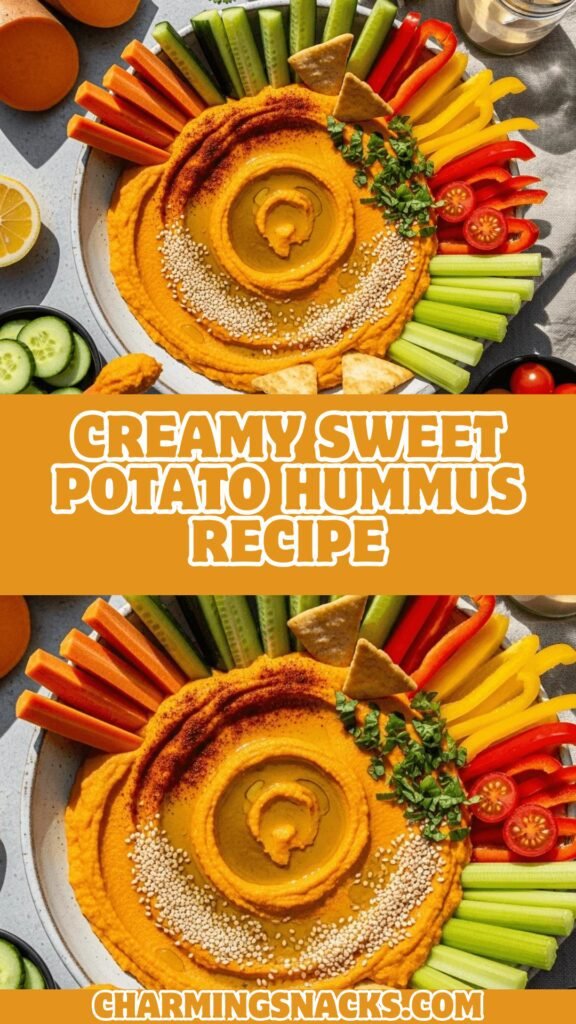
Sweet potato hummus is a vibrant, creamy dip that combines roasted sweet potatoes with classic hummus ingredients like tahini, garlic, and lemon, creating a naturally sweet and savory spread that’s perfect for snacking, entertaining, or adding to healthy meal prep. This easy sweet potato hummus recipe transforms humble ingredients into a gorgeous orange-hued dip that’s not only Instagram-worthy but also packed with nutrients, fiber, and flavor that appeals to both kids and adults. Whether you’re hosting a party, packing school lunches, or just want a healthier snack option, this roasted sweet potato hummus delivers that perfect creamy texture and subtle sweetness that makes it absolutely addictive with vegetables, pita chips, or spread on sandwiches.
What makes this healthy sweet potato dip so irresistible is how it balances the natural sweetness of roasted sweet potatoes with savory, earthy tahini and bright lemon juice, creating a more complex, interesting flavor profile than traditional chickpea hummus. Unlike regular hummus, the sweet potato adds beautiful color, extra vitamins (especially vitamin A), and a hint of natural sweetness that makes it appealing even to veggie-skeptical kids. The best part? It comes together in just 15 minutes using simple ingredients and requires minimal cleanup—just a food processor and your oven.
This sweet potato hummus recipe works beautifully for countless occasions—healthy snacking throughout the week, elegant appetizer spreads, lunchbox additions, post-workout fuel, holiday gatherings, or as a nutritious dip for kids’ playdates. It’s naturally vegan, gluten-free, dairy-free, and packed with wholesome ingredients that make you feel good about every bite. Best of all, this sweet potato hummus proves that healthy eating can be colorful, delicious, and absolutely satisfying!
History / Background
Sweet potato hummus represents the creative evolution of traditional Middle Eastern hummus, a dish with ancient roots that has been embraced and reimagined by modern food culture. To understand this colorful variation, we need to explore both the long history of classic hummus and how contemporary cooks have innovated with new ingredients.
Traditional hummus—made from chickpeas, tahini, lemon, and garlic—has been a staple in Middle Eastern cuisine for centuries, with the earliest known recipes appearing in 13th-century Egyptian cookbooks. The word “hummus” is Arabic for chickpeas, and the dish has been central to Levantine cuisine across countries like Lebanon, Syria, Israel, Palestine, and Jordan for generations. Traditional hummus was (and still is) considered a perfect food—affordable, nutritious, filling, and delicious, served as mezze (appetizer) with fresh vegetables and pita bread.
The innovation of adding sweet potatoes to hummus is a distinctly modern, Western development that emerged in the 2000s-2010s as health-conscious cooking and recipe experimentation became popular through food blogs and social media. Several trends converged to create this variation: the rise of plant-based eating, the popularity of sweet potatoes as a “superfood,” the growing interest in colorful, Instagram-worthy food, and the desire to add more vegetables to familiar recipes.
Food bloggers and home cooks discovered that roasted sweet potatoes, when blended with traditional hummus ingredients, created a naturally sweet, ultra-creamy dip with a stunning orange color. The sweet potato added vitamins (especially vitamin A), natural sweetness that appealed to American palates, and a gorgeous presentation that photographed beautifully—perfect for Pinterest and Instagram.
The recipe gained particular traction in the 2010s as part of the broader hummus revolution in America, where creative flavors like roasted red pepper, beet, and pumpkin hummus became trendy alternatives to plain chickpea hummus. Sweet potato hummus fit perfectly into this movement while also aligning with paleo-friendly and Whole30 diets, since sweet potatoes are more acceptable in these eating plans than legumes.
Today, sweet potato hummus represents how traditional recipes can be respectfully reimagined with new ingredients while honoring their delicious foundations—creating something that’s both familiar and excitingly different.
Why You’ll Love This Recipe
This sweet potato hummus is about to become your new favorite healthy snack and party dip. This easy sweet potato hummus recipe delivers creamy, flavorful results using wholesome ingredients that are good for you and taste absolutely amazing. Whether you’re looking for nutritious snacks, impressive appetizers, or ways to eat more vegetables, you’ll appreciate how this roasted sweet potato hummus creates a dip that’s both healthy and crave-worthy.
Here’s why this recipe deserves a permanent spot in your meal prep rotation:
- Ready in 15 Minutes – Quick prep, minimal hands-on time
- Naturally Vegan – Plant-based and dairy-free
- Gluten-Free – Safe for celiac and gluten-sensitive diets
- Kid-Approved – Natural sweetness appeals to children
- Nutrient-Dense – Packed with vitamin A, fiber, and healthy fats
- Budget-Friendly – Uses affordable, everyday ingredients
- Meal Prep Perfect – Lasts all week in the fridge
- Beautiful Presentation – Gorgeous orange color impresses guests
- Versatile – Works as dip, spread, or sandwich filling
- No Chickpeas Needed – Great for those avoiding legumes
- Customizable – Adjust sweetness and spices to preference
- Crowd-Pleasing – Even non-hummus lovers enjoy this version
Ingredient Notes
Understanding your ingredients helps you make the best sweet potato hummus possible. Let’s break down each component:
Sweet Potatoes – The star ingredient providing natural sweetness, color, and creaminess. Use 2 medium sweet potatoes (about 1½ lbs). Orange-fleshed sweet potatoes work best for color and sweetness. Roasting brings out natural sugars and creates deeper flavor than boiling. For quickest prep, you can microwave them, but roasting creates superior flavor. Regular potatoes won’t work—they lack the sweetness and color.
Tahini – Essential for authentic hummus flavor and creamy texture. Use ⅓-½ cup tahini (sesame seed paste). Tahini provides nutty, earthy flavor and helps create silky-smooth texture. Stir well before using as the oil separates. Sunflower seed butter can substitute for nut-free version, though flavor will differ. Don’t skip tahini if you want true hummus taste.
Garlic – Adds savory depth and authentic hummus flavor. Use 2-3 cloves fresh garlic. Fresh garlic is strongly preferred over powder for bright, pungent flavor. Raw garlic creates assertive taste; roasted garlic is mellower and sweeter. Start with 2 cloves and add more to taste.
Lemon Juice – Provides brightness that balances sweetness. Use juice of 1-2 lemons (about ¼ cup). Fresh lemon juice is non-negotiable—bottled lacks vibrancy. The acidity cuts through rich tahini and sweet potato, creating balanced flavor. Lime juice can substitute in a pinch.
Olive Oil – Adds richness and helps achieve smooth texture. Use ¼ cup extra-virgin olive oil, plus more for drizzling. Quality olive oil makes a difference in final flavor. The oil also helps hummus blend smoothly.
Cumin – Traditional hummus spice adding warmth and earthiness. Use ½-1 teaspoon ground cumin. This is characteristic of authentic hummus. Start with ½ teaspoon and adjust to preference.
Salt – Essential for bringing out all flavors. Use ½-1 teaspoon salt. Taste and adjust—under-salted hummus tastes flat.
Optional Add-ins – Smoked paprika for smokiness, cayenne for heat, maple syrup for extra sweetness, or fresh herbs like cilantro or parsley.
Equipment Needed
You’ll need these simple tools to make perfect sweet potato hummus:
- Baking Sheet – For roasting sweet potatoes
- Aluminum Foil or Parchment Paper – Lines baking sheet
- Food Processor or High-Powered Blender – Essential for smooth, creamy texture
- Sharp Knife – For cutting sweet potatoes
- Measuring Cups and Spoons – For accurate measurements
- Citrus Juicer – Optional but helpful for lemon juice
- Rubber Spatula – For scraping down processor sides
- Serving Bowl – For presenting finished hummus

Creamy Sweet Potato Hummus Recipe
Sweet potato hummus is a creamy, naturally sweet dip made with roasted sweet potatoes, tahini, garlic, and lemon. This healthy, vibrant hummus is perfect for snacking!
- Total Time: 35 minutes
- Yield: About 2½-3 cups (serves 10-12) 1x
Ingredients
For the Hummus:
- 2 medium sweet potatoes (about 1½ lbs)
- ⅓-½ cup tahini (sesame paste), well-stirred
- 2-3 cloves garlic, peeled
- ¼ cup fresh lemon juice (about 1-2 lemons)
- ¼ cup extra-virgin olive oil, plus more for drizzling
- ½-1 teaspoon ground cumin
- ½-1 teaspoon salt (to taste)
- 2-4 tablespoons water (as needed for consistency)
Optional Add-ins:
- ½ teaspoon smoked paprika
- Pinch of cayenne pepper for heat
- 1-2 tablespoons maple syrup for extra sweetness
- Fresh cilantro or parsley
For Serving:
- Extra olive oil for drizzling
- Smoked paprika or cumin for garnish
- Sesame seeds
- Fresh herbs (parsley or cilantro)
Instructions
Roast the Sweet Potatoes:
- Preheat Oven: Preheat your oven to 400°F (200°C). Line a baking sheet with aluminum foil or parchment paper.
- Prepare Sweet Potatoes: Pierce sweet potatoes several times with a fork. Place on prepared baking sheet.
- Roast: Roast for 30-40 minutes, until very soft when squeezed and a knife inserts easily. Timing varies by potato size—larger ones take longer.
- Cool: Remove from oven and let cool for 10 minutes until safe to handle. Cut in half and scoop flesh into food processor, discarding skins. You should have about 1½-2 cups cooked sweet potato.
Make the Hummus:
- Blend Base Ingredients: Add sweet potato flesh, tahini, garlic, lemon juice, olive oil, cumin, and salt to food processor.
- Process Until Smooth: Blend for 2-3 minutes, stopping to scrape down sides as needed, until completely smooth and creamy.
- Adjust Consistency: Add water 1 tablespoon at a time while processing until you reach desired consistency. Hummus should be smooth and creamy but still hold its shape.
- Taste and Adjust: Taste and adjust seasonings. Add more lemon juice for brightness, salt for depth, cumin for earthiness, or garlic for punch.
Serve:
- Transfer to Bowl: Scoop hummus into a serving bowl. Use the back of a spoon to create a shallow well in the center.
- Garnish: Drizzle with olive oil, sprinkle with smoked paprika or cumin, and add sesame seeds and fresh herbs if using.
- Serve: Serve immediately or refrigerate until ready to serve. Bring to room temperature before serving for best flavor and texture.
Notes
- For quickest prep, microwave sweet potatoes 5-7 minutes until very soft, but roasting creates better flavor.
- Hummus thickens when refrigerated; thin with water or olive oil before serving.
- Start with less garlic and salt—you can always add more.
- For ultra-smooth hummus, blend for full 3-4 minutes.
- Store in airtight container in refrigerator up to 1 week.
- Can freeze for up to 3 months; thaw in refrigerator overnight.
- Prep Time: 5 minutes (plus 30 minutes for roasting sweet potatoes)
- Cook Time: 30 minutes
- Category: Appetizer
- Method: Roasting + Blending
- Cuisine: Middle Eastern-Inspired
- Diet: Vegan
Nutrition
- Serving Size: ¼ cup hummus (without accompaniments)
- Calories: 125
- Sugar: 3g
- Sodium: 195mg
- Fat: 8g
- Saturated Fat: 1g
- Unsaturated Fat: 6g
- Trans Fat: 0g
- Carbohydrates: 11g
- Fiber: 2g
- Protein: 3g
- Cholesterol: 0mg
Tips & Variations
Transform your sweet potato hummus to match any preference with these creative variations:
Spicy Sweet Potato Hummus: Add ½ teaspoon cayenne pepper, diced jalapeño, or a dash of hot sauce for heat lovers.
Maple Cinnamon Sweet Potato Hummus: Add 2 tablespoons maple syrup and ½ teaspoon cinnamon for dessert-like dip perfect with apple slices.
Smoky Sweet Potato Hummus: Add 1 teaspoon smoked paprika and use smoked olive oil for deep, smoky flavor.
Herb Garden Hummus: Blend in ½ cup fresh herbs (cilantro, parsley, or basil) for fresh, bright flavor.
Curry Sweet Potato Hummus: Add 1-2 teaspoons curry powder for Indian-inspired variation.
Garlic Lovers Version: Roast a whole head of garlic with sweet potatoes, then squeeze out cloves and blend in for mellow, sweet garlic flavor.
Chickpea Sweet Potato Hummus: Add 1 cup cooked chickpeas for more protein and traditional hummus texture.
Lighter Version: Use less tahini and olive oil, replacing some with Greek yogurt (no longer vegan).
Pro Chef Tips
Elevate your sweet potato hummus from good to absolutely perfect with these professional techniques:
Roast Don’t Boil Sweet Potatoes: Roasting concentrates natural sugars and creates deeper, caramelized flavor. Boiling dilutes flavor and adds excess moisture, resulting in watery hummus. The extra time is worth it—roasting makes all the difference.
Let Sweet Potatoes Cool Before Blending: Hot sweet potatoes create thin, runny hummus. Let them cool for 10 minutes before processing. Warm (not hot) is okay, but room temperature is ideal for perfect consistency.
Blend Longer Than You Think: The secret to ultra-smooth, creamy hummus is extended blending. Process for full 3-4 minutes, stopping to scrape down sides. This creates that silky restaurant-quality texture. Don’t rush—extra blending time creates superior results.
Add Liquid Gradually: Start with less water than you think you need. Hummus thickens when refrigerated, so what seems perfect warm may be too thick cold, but what seems slightly thin warm will be perfect cold. Add water 1 tablespoon at a time until reaching desired consistency.
Use Fresh Lemon Juice: Bottled lemon juice tastes flat and artificial. Fresh lemon juice provides bright, vibrant acidity that makes hummus sing. This isn’t the place to cut corners.
Stir Tahini Before Using: Natural tahini separates with oil on top. Always stir thoroughly before measuring. Well-mixed tahini blends better and creates smoother hummus.
Taste and Adjust Aggressively: Don’t be afraid to add more lemon, salt, or garlic. Hummus should be boldly flavored. Taste after blending and adjust until it’s exactly how you like it. Under-seasoned hummus tastes flat and boring.
Common Mistakes to Avoid
Sidestep these frequent pitfalls for perfect sweet potato hummus every time:
Using Undercooked Sweet Potatoes: Sweet potatoes must be completely soft and mashable. Undercooked sweet potatoes create grainy, lumpy hummus. They should be so soft they practically fall apart when squeezed.
Not Blending Long Enough: Brief blending creates grainy texture. Blend for full 3-4 minutes for silky-smooth hummus. The extended processing time makes all the difference.
Skipping the Tahini: Some try to make hummus without tahini to save money, but tahini is essential for authentic flavor and creamy texture. Without it, you just have mashed sweet potatoes, not hummus.
Adding All Liquid at Once: Dumping in all the water at the beginning can make hummus too thin. Add gradually while blending, stopping when desired consistency is reached.
Not Tasting Before Serving: Flavors need balance. Always taste and adjust seasonings before serving. What needs more salt? Lemon? Garlic? Adjust until perfect.
Serving Too Cold: Cold hummus from the refrigerator is stiff and the flavors are muted. Let it sit at room temperature for 15-20 minutes before serving for best flavor and texture.
Storage & Meal Prep
Here’s how to handle storage and prep for sweet potato hummus:
Room Temperature: Don’t leave hummus at room temperature more than 2 hours. It contains no preservatives and must be refrigerated for food safety.
Refrigerator Storage: Store in an airtight container in the refrigerator for up to 1 week. Press plastic wrap directly on surface to prevent drying and discoloration. The hummus will thicken—thin with water or olive oil before serving.
Preventing Browning: Drizzle a thin layer of olive oil over the surface before storing to prevent oxidation and browning.
Bringing to Room Temperature: Remove from refrigerator 15-20 minutes before serving. Cold hummus is stiff and flavors are muted. Room temperature is ideal.
Meal Prep Strategy: Make a batch on Sunday for healthy snacking all week. Portion into small containers with pre-cut vegetables for grab-and-go snacks.
Make-Ahead & Freezer Notes
Plan ahead with these time-saving strategies for sweet potato hummus:
Best Make-Ahead Method (2-3 Days): Sweet potato hummus actually tastes better after 24 hours as flavors meld. Make 2-3 days ahead, store in airtight container, and refrigerate. Let come to room temperature before serving.
Roast Sweet Potatoes Ahead: Roast sweet potatoes up to 3 days ahead. Store peeled and in airtight container in refrigerator. Blend hummus when ready to serve.
Freezer-Friendly (Up to 3 Months): Sweet potato hummus freezes beautifully. Transfer to freezer-safe container, leaving ½ inch headspace for expansion. Freeze for up to 3 months.
Thawing: Thaw frozen hummus in refrigerator overnight. Stir well before serving—texture may separate slightly. Blend briefly in food processor to restore smooth texture if needed.
Texture After Freezing: Hummus may be slightly grainy after freezing. Whisk in 1-2 tablespoons olive oil or water and stir vigorously to restore creamy texture.
Individual Portions: Freeze in ice cube trays or small containers for individual portions perfect for lunch boxes or quick snacks.
Serving Suggestions
Create healthy snacking moments and complete the sweet potato hummus experience with these serving ideas:
Classic Dippers:
- Fresh vegetables (carrots, celery, bell peppers, cucumber, cherry tomatoes)
- Pita bread or pita chips
- Crackers (whole grain, seed crackers)
- Pretzels
- Apple or pear slices (sweet-savory combination)
- Breadsticks
As Sandwich Spread:
- Turkey and avocado wraps
- Veggie sandwiches
- Grilled vegetable panini
- Falafel pitas
Bowl Additions:
- Buddha bowls
- Grain bowls with quinoa or rice
- Roasted vegetable bowls
- Salad topping
Appetizer Spread:
- Sweet potato hummus (centerpiece)
- Classic chickpea hummus
- Baba ganoush
- Tzatziki
- Olives and feta
- Fresh vegetables and pita
Beverage Pairings: Sweet potato hummus pairs wonderfully with white wine (Sauvignon Blanc, Pinot Grigio), sparkling water, iced tea, or fresh vegetable juices.
FAQs Section
Q: Can I make this without tahini?
A: While tahini is essential for authentic hummus flavor and texture, you can substitute sunflower seed butter for nut-free version. The taste will be different but still good. Greek yogurt can also substitute but it won’t be vegan.
Q: Why is my hummus grainy?
A: Usually from not blending long enough or using undercooked sweet potatoes. Blend for full 3-4 minutes for silky texture, and make sure sweet potatoes are completely soft and mashable.
Q: Can I use canned sweet potato?
A: Fresh roasted sweet potatoes taste far better, but canned sweet potato puree can work in a pinch. Use 1½-2 cups puree. The flavor won’t be as complex, but it’s convenient.
Q: How do I make hummus thinner?
A: Add water, olive oil, or lemon juice 1 tablespoon at a time while blending until desired consistency is reached. Hummus thickens in the fridge, so err on the side of slightly thinner.
Q: Can I make this ahead of time?
A: Absolutely! Sweet potato hummus actually tastes better after sitting 24 hours as flavors meld. Make 2-3 days ahead and store refrigerated. Let come to room temperature before serving.
Q: Is sweet potato hummus healthier than regular hummus?
A: Both are healthy! Sweet potato hummus has more vitamin A and natural sweetness, while chickpea hummus has more protein and fiber. Both are nutritious plant-based options.
Q: Can I microwave sweet potatoes instead of roasting?
A: Yes! Pierce potatoes, microwave 5-7 minutes until very soft. Roasting creates better flavor through caramelization, but microwave is fine for quick prep.
Q: Why is my hummus too thin/too thick?
A: Adjust consistency by adding water (to thin) or more sweet potato/tahini (to thicken). Remember hummus thickens when refrigerated, so what seems right warm may be thick cold.
Conclusion
There you have it—everything you need to create absolutely perfect, restaurant-quality sweet potato hummus that will revolutionize your healthy snacking! This easy sweet potato hummus recipe proves that nutritious eating can be colorful, delicious, and absolutely satisfying. The combination of naturally sweet roasted sweet potatoes, nutty tahini, bright lemon, and earthy spices creates a dip that’s both familiar and excitingly different from traditional hummus.
Remember the keys to success: roast sweet potatoes until very soft, blend for full 3-4 minutes for silky texture, add liquid gradually, taste and adjust seasonings boldly, and let come to room temperature before serving. Master these fundamentals and you’ll create a roasted sweet potato hummus that becomes your go-to healthy snack.
The beauty of this healthy sweet potato dip lies in its incredible versatility and meal prep convenience. Use it for weekly snacking with vegetables, spread on sandwiches and wraps, serve as an elegant appetizer, pack in lunchboxes, customize with endless flavor variations—this sweet potato hummus adapts beautifully while always delivering nutritious, plant-based goodness that makes you feel amazing.
Ready to transform your snacking with this gorgeous, healthy dip? Pin this recipe to your favorite Pinterest board so you’ll always have it ready for meal prep! Make this sweet potato hummus this weekend and let me know in the comments how it turned out. What did you serve it with? I absolutely love hearing about your cooking adventures and seeing your delicious creations!
Don’t forget to snap a photo of that stunning orange hummus and share it on social media. Tag me so I can see your masterpiece and celebrate with you! Here’s to healthy eating that’s colorful, delicious, and makes vegetables irresistible! 🍠