Easy Bruschetta with Balsamic Glaze – Classic Italian Appetizer in 15 Minutes!
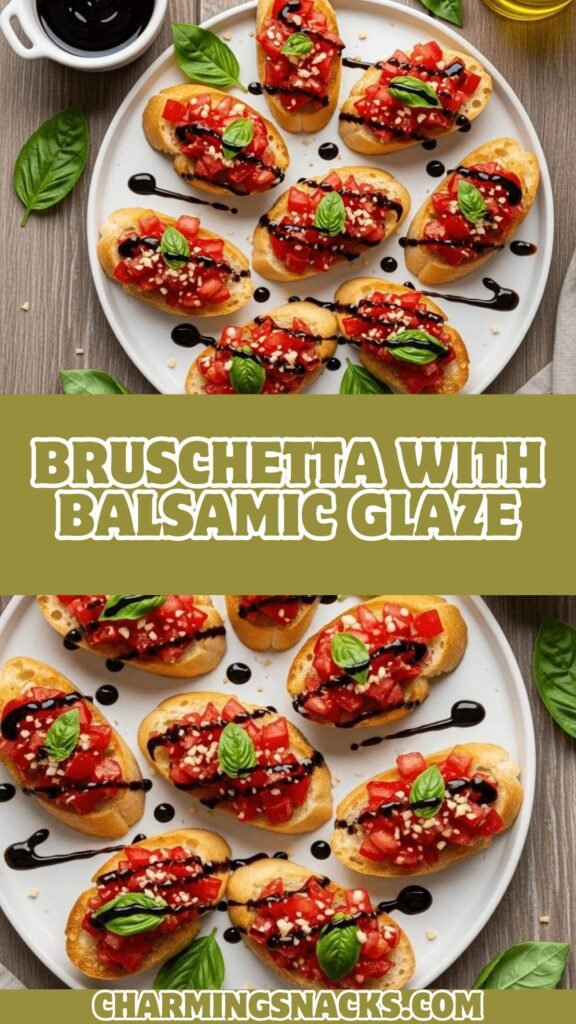
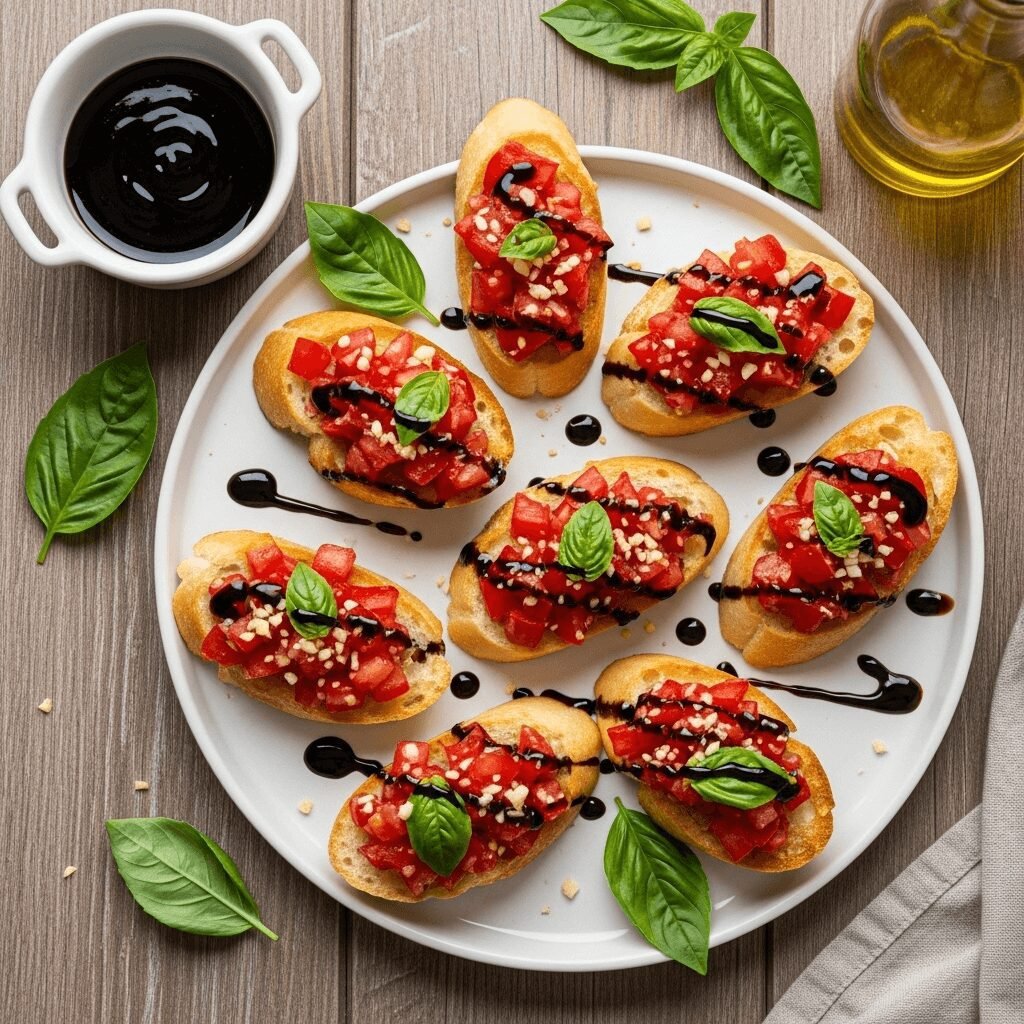
Get ready to fall in love with the most vibrant, fresh, and absolutely irresistible appetizer that transports you straight to an Italian trattoria with just one bite! This Classic Bruschetta with Balsamic Glaze features perfectly toasted bread rubbed with garlic, topped with a colorful mixture of ripe tomatoes, fresh basil, and quality olive oil, then finished with a gorgeous drizzle of sweet, tangy balsamic glaze. It’s the perfect combination of crispy, juicy, savory, and sweet that will have everyone reaching for seconds!
What makes this easy bruschetta recipe so incredibly popular is how it delivers maximum flavor and visual impact with minimal effort. In just 15 minutes using simple, fresh ingredients, you can create an appetizer that looks and tastes like something from a high-end Italian restaurant. The contrast of textures – from the crunchy, golden bread to the juicy tomato mixture – combined with the aromatic basil and that stunning balsamic drizzle creates a truly memorable eating experience.
This authentic bruschetta recipe is incredibly versatile and perfect for so many occasions! Serve it at summer dinner parties when tomatoes are at their peak, bring it to potlucks and BBQs where it’s always the first thing to disappear, offer it as an elegant appetizer before an Italian feast, enjoy it as a light lunch with a side salad, or make it for casual wine nights with friends. It’s also fantastic for holiday entertaining, bridal showers, birthday parties, or any time you want to impress guests without spending hours in the kitchen.
The best part? This bruschetta with balsamic reduction is naturally vegetarian, can easily be made vegan, and uses ingredients you probably already have on hand or can find at any grocery store. Whether you’re an experienced cook or a complete beginner, you’ll find this recipe foolproof and forgiving. The secret is using the freshest ingredients you can find and not overthinking it – sometimes the simplest recipes are the most spectacular!
History / Background
Bruschetta (pronounced “broo-SKET-tah,” not “broo-SHET-tah” as it’s often mispronounced) has ancient roots in Italian cuisine, dating back to at least the 15th century in central Italy. The word “bruschetta” comes from the Italian verb “bruscare,” which means “to roast over coals.” Originally, bruschetta was simply grilled bread rubbed with garlic and drizzled with olive oil – a humble peasant food designed to use up stale bread and showcase the quality of new-season olive oil.
The practice began in the olive-growing regions of Italy, particularly Tuscany and Umbria, where farmers and olive oil producers would taste their freshly pressed olive oil by drizzling it over toasted bread. This simple preparation allowed them to truly appreciate the flavor, quality, and characteristics of their oil without any distractions. It was both a practical way to use day-old bread and a celebration of one of Italy’s most treasured ingredients.
The addition of tomatoes to bruschetta is actually a relatively modern innovation, as tomatoes didn’t arrive in Italy from the New World until the 16th century and weren’t widely embraced in Italian cooking until the 18th century. Once Italians began incorporating tomatoes into their cuisine, they quickly became a favorite topping for bruschetta, particularly in the warmer months when tomatoes were abundant and at their flavorful peak.
The version we know today – with diced fresh tomatoes, basil, garlic, and olive oil piled on toasted bread – became especially popular in Rome and throughout central Italy during the 19th and 20th centuries. It exemplifies the Italian philosophy of “cucina povera” (peasant cooking): using a few simple, high-quality seasonal ingredients to create something greater than the sum of its parts.
Bruschetta gained international fame in the 1980s and 1990s as Italian cuisine exploded in popularity worldwide. Italian restaurants in America and beyond began featuring bruschetta as an antipasto (appetizer), and it quickly became a beloved menu staple. Home cooks embraced it for its simplicity, beautiful presentation, and the way it showcased fresh summer produce.
The addition of balsamic glaze or reduction is a more contemporary American-Italian innovation. Traditional Italian bruschetta typically doesn’t include balsamic vinegar, but as balsamic vinegar and its sweeter, concentrated cousin – balsamic glaze – became widely available and popular in the United States in the late 1990s and 2000s, creative cooks began drizzling it over bruschetta for an extra layer of sweet-tangy flavor and visual appeal. While purists might argue this isn’t traditional, it’s undeniably delicious and has become a signature element of American-style bruschetta.
Today, bruschetta with balsamic glaze represents the perfect marriage of traditional Italian simplicity with modern American creativity, and it remains one of the most popular and accessible Italian appetizers for home cooks around the world.
Why You’ll Love This Recipe
This Bruschetta with Balsamic Glaze recipe is genuinely one of those magical dishes that seems almost too simple to be so incredibly delicious! It’s the kind of recipe that makes you look like a culinary genius while requiring minimal cooking skills and just a handful of fresh ingredients.
Let me tell you why this recipe is absolutely brilliant and deserves a permanent spot in your entertaining repertoire. First, it celebrates fresh ingredients at their peak – ripe, juicy tomatoes, fragrant basil, and good olive oil come together in a way that’s greater than the sum of its parts. The crispy, garlicky bread provides the perfect vehicle for the bright, fresh topping, while the balsamic glaze adds a gorgeous finishing touch that elevates everything with its sweet-tart complexity and beautiful presentation.
This recipe is also wonderfully forgiving and adaptable. You can adjust quantities based on how many people you’re serving, customize the flavors to your taste, and even prepare components ahead of time. The visual appeal is stunning – those vibrant red tomatoes against the golden bread, garnished with bright green basil and dark, glossy balsamic glaze – making it absolutely Pinterest-perfect and Instagram-worthy!
Here’s why you’ll absolutely love making this Bruschetta with Balsamic Glaze:
- Ready in just 15 minutes – Perfect for last-minute entertaining or spontaneous gatherings
- Simple, fresh ingredients – No exotic items required, just quality basics
- Impressive presentation – Looks and tastes like restaurant-quality food
- Budget-friendly – Costs pennies per serving, especially when tomatoes are in season
- No cooking experience needed – Beginner-friendly and virtually foolproof
- Naturally vegetarian and vegan-friendly – Accommodates various dietary preferences
- Make-ahead components – Prep the topping hours ahead for stress-free entertaining
- Perfect for summer – Showcases peak-season tomatoes beautifully
- Crowd-pleaser – Universally loved by guests of all ages
- Healthy appetizer – Fresh vegetables, good fats, and whole grain bread
- Versatile serving options – Works as appetizer, snack, or light meal
- Customizable – Easy to adjust flavors and add creative variations
- No-heat option – Use a grill or broiler to avoid heating up your kitchen in summer
- Beautiful colors – Red, green, and gold make a stunning presentation
- Conversation starter – Guests always ask for the recipe!
Ingredient Notes
The beauty of authentic bruschetta lies in the quality of your ingredients. Since there are so few components, each one really shines through, so choosing the best you can afford makes a noticeable difference.
Tomatoes: The absolute star of the show! Use ripe, flavorful tomatoes for the best results. Roma (plum) tomatoes are traditional because they’re meatier with fewer seeds and less juice, which prevents soggy bread. However, any ripe, flavorful tomato works – heirloom tomatoes add beautiful colors and complex flavors, cherry or grape tomatoes are sweet and convenient, and even beefsteak tomatoes can work if you remove excess seeds and juice. The key is that they should smell fragrant and feel heavy for their size, indicating ripeness and juiciness. Avoid pale, underripe, or mealy tomatoes, as they’ll make bland bruschetta. In winter when fresh tomatoes aren’t at their best, consider using good-quality cherry tomatoes, which tend to have more consistent flavor year-round.
Fresh Basil: This aromatic herb is non-negotiable for authentic bruschetta! Fresh basil has a sweet, peppery, slightly minty flavor that’s completely different from dried basil. Look for bright green leaves without dark spots or wilting. Tear or chop the basil just before using, as it can darken and oxidize quickly when cut. Store fresh basil at room temperature with stems in water like a bouquet, or wrap in damp paper towels in the refrigerator. If you absolutely cannot find fresh basil, you could substitute fresh parsley for color and freshness, though the flavor will be different.
Garlic: Fresh garlic cloves are essential for rubbing on the toasted bread and mixing into the tomato topping. The garlic provides aromatic depth and that signature Italian flavor. Use fresh cloves, not pre-minced jarred garlic or garlic powder, as the flavor is incomparable. For the bread, you’ll rub a cut clove directly on the warm toast. For the topping, mince it very finely so you don’t bite into large chunks of raw garlic, which can be overpowering.
Extra Virgin Olive Oil: This is crucial! Use the best quality extra virgin olive oil you can afford, as it’s a featured ingredient rather than just a cooking fat. Good olive oil should taste fruity, slightly peppery, and fresh – never rancid or bland. Italian olive oil is traditional, but Spanish, Greek, or California olive oils work beautifully too. You’ll need it for both the tomato mixture and for drizzling on the bread.
Balsamic Glaze/Reduction: You can buy pre-made balsamic glaze (sometimes labeled as balsamic reduction or balsamic cream) at most grocery stores, usually near the vinegars or in the Italian section. It’s thick, syrupy, and slightly sweet – different from regular balsamic vinegar. If you can’t find it, you can easily make your own by simmering regular balsamic vinegar in a small saucepan until it reduces by half and becomes syrupy (this takes about 10-15 minutes). Store-bought saves time, while homemade lets you control the sweetness and thickness.
Bread: The foundation of great bruschetta is great bread! Use a crusty Italian bread, French baguette, ciabatta, or sourdough – something with a sturdy, crusty exterior and chewy interior that can hold up to the juicy topping without getting soggy. Avoid soft sandwich bread or anything too delicate. Slightly stale bread actually works better than super-fresh, as it toasts more evenly and absorbs less moisture. Cut slices about ½-inch thick on a diagonal for the classic long, oval shape.
Salt and Pepper: Use flaky sea salt or kosher salt rather than fine table salt for better texture and more controlled seasoning. Freshly ground black pepper adds aromatic spice. Season to taste, remembering that tomatoes need adequate salt to bring out their natural sweetness.
Optional Additions: Some cooks add a tiny splash of balsamic vinegar (not glaze) to the tomato mixture for extra tang, a pinch of red pepper flakes for heat, or fresh mozzarella for a caprese-style variation.
Equipment Needed
You’ll need minimal equipment for this simple recipe – just basic kitchen tools:
- Large cutting board – for chopping tomatoes and basil
- Sharp chef’s knife – for dicing tomatoes and mincing garlic
- Medium mixing bowl – for combining the tomato mixture
- Large baking sheet or broiler pan – for toasting the bread
- Pastry brush (optional) – for brushing olive oil on bread slices
- Grill or grill pan (optional alternative to oven) – for authentic char marks
- Small saucepan (if making homemade balsamic reduction) – for reducing vinegar
- Measuring cups and spoons – for accurate ingredient measurements
- Wooden spoon or spatula – for mixing the tomato topping
- Serving platter – for presenting your beautiful bruschetta
- Kitchen timer – to monitor toasting time
- Tongs or spatula – for flipping bread during toasting

Bruschetta with Balsamic Glaze
This fresh and vibrant Bruschetta with Balsamic Glaze features crispy garlic-rubbed toast topped with a juicy mixture of ripe tomatoes, fresh basil, and olive oil, finished with a gorgeous balsamic glaze drizzle. Ready in just 15 minutes, it’s the perfect elegant appetizer for any occasion!
- Total Time: 15 minutes
- Yield: 6-8 servings (about 16-20 pieces) 1x
Ingredients
For the Tomato Topping:
- 4 large ripe Roma tomatoes (or 2 cups cherry tomatoes), diced into ¼-inch pieces
- ¼ cup fresh basil leaves, chopped or torn
- 2-3 cloves garlic, minced very fine
- 3 tablespoons extra virgin olive oil
- 1 teaspoon balsamic vinegar (optional, for extra tang)
- ½ teaspoon salt (more to taste)
- ¼ teaspoon freshly ground black pepper
- Pinch of red pepper flakes (optional, for heat)
For the Bread:
- 1 French baguette or Italian bread loaf
- 2-3 tablespoons extra virgin olive oil (for brushing)
- 2 whole garlic cloves, peeled and halved
- Pinch of salt
For Finishing:
- ¼ cup balsamic glaze (store-bought or homemade)
- Additional fresh basil leaves for garnish
- Flaky sea salt for garnish (optional)
Instructions
- Prepare the tomato topping: In a medium mixing bowl, combine the diced tomatoes, chopped fresh basil, minced garlic, 3 tablespoons olive oil, optional balsamic vinegar, salt, black pepper, and red pepper flakes if using. Stir gently to combine. Taste and adjust seasoning, adding more salt if needed. Set aside at room temperature to allow flavors to meld while you prepare the bread. If making ahead, you can refrigerate the topping for up to 4 hours, but bring it to room temperature before serving for the best flavor.
- Prepare the bread: Preheat your oven to 400°F (200°C), or preheat your broiler on high. Slice the baguette or bread on a diagonal into ½-inch thick slices (you should get 16-20 slices depending on the length of your bread). Arrange the bread slices in a single layer on a large baking sheet.
- Brush with olive oil: Using a pastry brush or simply drizzling, lightly coat one side of each bread slice with olive oil. You want enough to make them golden and crispy, but not so much that they’re dripping. Sprinkle very lightly with a pinch of salt.
- Toast the bread: Place the baking sheet in the preheated oven and bake for 4-5 minutes. Flip the bread slices and continue baking for another 3-4 minutes until both sides are golden brown and crispy. Watch carefully to prevent burning! If using the broiler instead, toast for 1-2 minutes per side, watching constantly as they can burn quickly. The bread should be crunchy and golden with some darker spots. Remove from oven.
- Rub with garlic: While the bread is still warm, take the halved garlic cloves and rub the cut side over the top surface of each toasted bread slice. The heat will help release the garlic oils and flavor. Don’t rub too aggressively or the bread will tear – gentle, firm strokes work best. The warm, rough texture of the toast acts like a grater, releasing aromatic garlic oils directly onto the bread.
- Assemble the bruschetta: Just before serving (this is important to prevent soggy bread!), use a slotted spoon to scoop the tomato mixture onto each piece of toasted bread, allowing excess liquid to drain off. Pile it generously on top, using about 1-2 tablespoons per slice. The tomatoes should be piled high and look abundant.
- Drizzle with balsamic glaze: Arrange the topped bruschetta on a serving platter. Using a spoon or squeeze bottle, drizzle the balsamic glaze artistically over each piece in a back-and-forth or circular motion. The dark glaze against the red tomatoes creates a beautiful visual contrast and adds that final sweet-tangy flavor note.
- Garnish and serve: Tear or cut a few additional fresh basil leaves and scatter them over the platter for a final touch of color and freshness. If desired, sprinkle with flaky sea salt. Serve immediately while the bread is still warm and crispy. Provide small plates and napkins, as these can be a bit juicy to eat!
Notes
- Timing is everything: Assemble bruschetta just before serving to keep the bread crispy. The tomato topping can be made ahead, but don’t put it on the bread until the last minute.
- Drain excess liquid: If your tomato mixture seems very watery, drain off some of the excess liquid before topping the bread to prevent sogginess.
- Room temperature is key: Let refrigerated tomato topping sit at room temperature for 15-20 minutes before serving for the best flavor.
- Bread texture matters: The bread should be crispy and golden, not pale or doughy. Well-toasted bread holds up much better to the juicy topping.
- Make your own balsamic glaze: Simmer 1 cup of balsamic vinegar in a small saucepan over medium heat for 10-15 minutes until reduced by half and syrupy.
- Gluten-free option: Use your favorite gluten-free crusty bread, toasted the same way.
- Double the recipe: This recipe scales beautifully for larger gatherings – just use more bread and increase the topping proportionally.
- Prep Time: 10 minutes
- Cook Time: 05 minutes
- Category: Appetizer
- Method: Baking
- Cuisine: Italian
- Diet: Vegetarian
Nutrition
- Serving Size: 2-3 pieces
- Calories: 145
- Sugar: 4g
- Sodium: 240mg
- Fat: 7g
- Saturated Fat: 1g
- Unsaturated Fat: 6g
- Trans Fat: 0g
- Carbohydrates: 18g
- Fiber: 2g
- Protein: 4g
- Cholesterol: 0mg
Tips & Variations
The classic bruschetta is perfection, but here are some delicious ways to customize and vary the recipe:
Caprese Bruschetta: Add fresh mozzarella! Top each bruschetta with a small slice of fresh mozzarella cheese before adding the tomato mixture, or cut mini mozzarella balls in half and nestle them into the topping for a caprese-inspired version.
White Bean Bruschetta: Spread a layer of pureed white beans (cannellini) on the toasted bread before adding the tomato mixture. This adds protein and creaminess while still keeping it vegetarian.
Avocado Addition: Mash or slice ripe avocado and spread it on the bread before topping with the tomato mixture for extra creaminess and healthy fats. This California-Italian fusion is incredibly delicious!
Prosciutto-Wrapped: For non-vegetarians, wrap each piece of bruschetta with a thin slice of prosciutto before serving for a sweet-salty contrast and extra protein.
Roasted Garlic Version: Instead of raw minced garlic, roast whole garlic cloves until soft and sweet, then mash them into the tomato mixture for a mellower, sweeter garlic flavor.
Grilled Vegetables: Add chopped grilled bell peppers, zucchini, or eggplant to the tomato mixture for extra vegetables and smoky flavor.
Spicy Kick: Add more red pepper flakes, diced jalapeño, or a drizzle of hot honey along with the balsamic glaze for heat lovers.
Pesto Base: Spread a thin layer of basil pesto on the toasted bread before adding the tomato topping for an extra burst of basil and garlic flavor.
Burrata Topping: Top finished bruschetta with torn pieces of creamy burrata cheese for an ultra-luxurious version.
Sun-Dried Tomato: Mix in chopped sun-dried tomatoes with the fresh tomatoes for concentrated tomato flavor and chewy texture.
Olive Tapenade: Add a spoonful of olive tapenade (pureed olives) to each piece before the tomato topping for briny, Mediterranean flavor.
Fig and Goat Cheese: For a sweeter variation, top with goat cheese and fig jam instead of tomatoes, then drizzle with balsamic glaze – perfect for fall entertaining.
Pro Chef Tips
Want restaurant-quality bruschetta? Here are professional secrets that make all the difference:
Salt the tomatoes separately: For the absolute best bruschetta, dice your tomatoes and place them in a colander set over a bowl. Sprinkle with salt and let them drain for 15-20 minutes. This draws out excess moisture, concentrating the tomato flavor and preventing soggy bread. Pat them dry with paper towels before mixing with other ingredients.
Temperature matters: Never serve cold tomato topping on warm bread! The temperature shock makes flavors less vibrant. Let refrigerated tomato mixture come to fully room temperature (or even slightly warm) before assembling. Room temperature tomatoes taste dramatically better than cold ones.
Toast bread properly: The key to non-soggy bruschetta is achieving the right level of toast – you want it quite crispy, almost hard, with a golden-brown color. Undert oasted bread will get soggy within minutes. When in doubt, toast it a bit more. The bread should make an audible crunch when you bite into it.
Use a slotted spoon: When topping the bread, always use a slotted spoon and let excess liquid drain back into the bowl before piling the tomato mixture onto each slice. This simple step prevents soggy bottoms while still keeping the topping juicy.
Rub, don’t mince the garlic for bread: Rubbing raw garlic directly on the warm toast gives you that perfect hint of garlic flavor without overwhelming bites of raw garlic. The rough surface of the toasted bread acts like a microplane, and the heat activates the garlic oils beautifully.
Quality olive oil is crucial: Since olive oil is such a prominent flavor, use the good stuff! Save your cheap cooking oil for other recipes and splurge on a high-quality, fruity extra virgin olive oil for bruschetta. You’ll taste the difference.
Tear basil by hand: Cutting basil with a knife can bruise it and cause oxidation (darkening). Tear it gently by hand into bite-sized pieces for better color retention and texture. If you must cut it, use a very sharp knife and a gentle slicing motion.
Make balsamic glaze thicker: If your store-bought balsamic glaze seems too thin, simmer it in a small pan for a few minutes until it’s thick enough to coat the back of a spoon. Thicker glaze clings better to the bruschetta and looks more dramatic.
Grill for smokiness: For extra flavor, toast your bread on a hot grill instead of in the oven. The char marks and subtle smoke flavor add another dimension. Just watch it carefully as it can burn quickly!
Assembly line technique: For parties, set up an assembly line: toasted bread on one end, garlic cloves ready for rubbing, tomato mixture with slotted spoon, balsamic glaze, and serving platter. You can quickly assemble dozens of pieces efficiently this way.
Common Mistakes to Avoid
Even experienced cooks can stumble with bruschetta. Here are the most common pitfalls:
Topping the bread too early: This is the #1 mistake! If you top the bread more than 5-10 minutes before serving, it will become soggy and lose all its appealing crunch. The bread needs to be crispy right up until serving time. Always prepare components ahead but assemble at the last minute. If you must assemble slightly ahead, use the saltiest, driest tomato mixture possible and keep pieces on a wire rack rather than a solid platter to allow air circulation underneath.
Using underripe or flavorless tomatoes: Bad tomatoes make bad bruschetta – it’s that simple. If you can’t find ripe, flavorful tomatoes, postpone making bruschetta or choose a different recipe. Off-season supermarket tomatoes that are pale, hard, and flavorless will result in disappointing bruschetta no matter how perfectly you execute everything else. Wait for summer tomatoes, or use cherry tomatoes which tend to have more consistent flavor year-round.
Cutting tomatoes too large: Big chunks of tomato slide off the bread and make eating awkward and messy. Dice tomatoes into small, uniform ¼-inch pieces that will pile neatly on the bread and be easy to eat in one or two bites. Also, cutting them small creates more surface area for the olive oil and seasonings to coat.
Under-toasting the bread: Pale, soft bread becomes soggy almost immediately. You need a serious golden-brown toast – almost to the point where you think it might be too dark. The bread should be crunchy all the way through, not just on the surface. If you can bend the bread without it snapping, it’s not toasted enough.
Too much or too little garlic: Rubbing garlic on the toast is an art. Too aggressive and you have overpowering, burning garlic flavor. Too light and you get no garlic at all. The key is medium pressure and 2-3 firm strokes with the cut garlic clove. For the tomato mixture, make sure garlic is minced very finely so you don’t bite into large, pungent chunks.
Forgetting to season adequately: Tomatoes need salt to taste sweet and delicious. Many home cooks under-season the tomato mixture. Taste it before assembling – it should taste well-seasoned on its own. Remember that the bread is also seasoned, so the topping should be flavorful enough to hold its own.
Using dried basil: Never, ever substitute dried basil for fresh in bruschetta. Dried basil has a completely different flavor (almost tea-like) and will make your bruschetta taste like pizza seasoning rather than fresh and vibrant. Fresh basil is non-negotiable for authentic bruschetta.
Storage & Meal Prep
Here’s how to handle storage and prep for this recipe:
Storing Components Separately: The secret to great bruschetta is storing components separately and assembling just before serving. The tomato topping can be made up to 4 hours ahead and stored covered in the refrigerator. Bring it to room temperature before using and drain off any accumulated liquid. Toasted bread can be stored at room temperature in an airtight container or zip-top bag for up to 1 day – it will stay crispy if kept dry.
Storing Assembled Bruschetta: I don’t recommend storing assembled bruschetta, as the bread will become unappealingly soggy. If you must store leftovers, keep them in an airtight container in the refrigerator for up to 1 day, but understand that the texture will be compromised. You can try crisping them up in a 350°F oven for 5 minutes, but they’ll never be quite as good as fresh.
Tomato Topping Shelf Life: The fresh tomato mixture keeps well in an airtight container in the refrigerator for 2-3 days. The flavors actually meld and improve slightly over time! Just drain off any accumulated liquid before using. If basil starts to darken, stir in some freshly chopped basil to brighten it up.
Refreshing Toasted Bread: If your toasted bread has been sitting and lost some crispness, refresh it in a 350°F oven for 3-4 minutes to re-crisp before assembling.
Meal Prep Strategy: For stress-free entertaining, prep the tomato mixture in the morning or afternoon, toast the bread a few hours ahead, and keep components separated. About 10 minutes before guests arrive or before serving, assemble everything fresh. This gives you restaurant-quality results without last-minute rushing.
Make-Ahead & Freezer Notes
Planning ahead? Here’s what works and what doesn’t:
Best Make-Ahead Strategy: Prepare the tomato topping up to 4-6 hours before serving and refrigerate. Toast the bread up to 24 hours ahead and store at room temperature in an airtight container or bag. Keep balsamic glaze ready in a squeeze bottle for easy drizzling. When ready to serve, bring tomatoes to room temperature, assemble, and serve immediately. This gives you maximum freshness with minimal last-minute work.
Freezing Tomato Topping: I don’t recommend freezing the fresh tomato mixture, as tomatoes become mushy and watery when thawed, completely changing the texture. If you have leftover topping, use it within 2-3 days on pasta, in omelets, on pizza, or mixed into salads rather than freezing it.
Freezing Bread: You can freeze the toasted bread slices! Let them cool completely, then freeze in a single layer on a baking sheet until solid. Transfer to a freezer bag and freeze for up to 2 months. When ready to use, thaw at room temperature or crisp in a 350°F oven for 5 minutes. Don’t freeze bread with the topping – only plain toasted bread freezes well.
Making Balsamic Glaze Ahead: Homemade balsamic glaze can be made weeks in advance and stored in an airtight container or squeeze bottle in the refrigerator indefinitely. It will thicken more as it cools, so you may need to warm it slightly or thin with a bit of balsamic vinegar before using.
Party Planning Timeline:
- 1 week ahead: Make or buy balsamic glaze
- 1 day ahead: Toast bread, store in airtight container
- 4-6 hours ahead: Make tomato topping, refrigerate
- 30 minutes ahead: Bring tomato topping to room temperature, arrange toasted bread on platter
- 5 minutes before serving: Assemble bruschetta, drizzle with glaze, garnish
Serving Suggestions
Bruschetta is incredibly versatile! Here’s how to serve it for various occasions:
As a Classic Appetizer: Arrange bruschetta on a large serving platter or wooden board for passed appetizers at parties. Provide small appetizer plates and cocktail napkins, as these can be juicy. This is perfect for dinner parties, cocktail hours, wine tastings, or any gathering where you want impressive finger food.
Part of an Italian Feast: Serve bruschetta as the antipasto course before an Italian dinner featuring pasta, risotto, or Italian meat dishes. It’s traditional to start with a selection of small bites including bruschetta, olives, cured meats, and cheeses before the main meal.
Summer Lunch: Make bruschetta the star of a light summer lunch paired with a simple arugula salad, gazpacho, or minestrone soup. Add some fresh fruit and iced tea for a refreshing midday meal.
Appetizer Platter: Create an Italian appetizer spread with bruschetta alongside caprese skewers, antipasto skewers, marinated olives, aged cheeses, cured meats (salami, prosciutto), roasted red peppers, and artichoke hearts.
Wine and Beverage Pairings:
- White Wine: Pinot Grigio, Sauvignon Blanc, or Vermentino (crisp, acidic whites complement the tomatoes)
- Rosé: Dry rosé from Provence pairs beautifully
- Red Wine: Light-bodied Chianti or Sangiovese if you prefer red
- Prosecco or Champagne: Bubbly makes everything festive!
- Non-alcoholic: Italian sodas, sparkling lemonade, or San Pellegrino
- Cocktails: Aperol Spritz, Negroni, or classic Italian aperitivos
Complete Meal Pairings:
- Grilled chicken, fish, or steak for a surf-and-turf style dinner
- Pasta dishes like carbonara, cacio e pepe, or marinara
- Italian soups like wedding soup or pasta e fagioli
- Caesar salad or Italian chopped salad
- Grilled vegetables with balsamic
- Risotto (mushroom, asparagus, or lemon)
- Lasagna or baked ziti
- Eggplant or chicken parmesan
Presentation Ideas: For stunning presentation, arrange bruschetta on: a rustic wooden cutting board, a white rectangular platter for clean modern look, a tiered serving stand for height and visual interest, individual small plates for sit-down dinners, or a large white platter garnished with fresh basil sprigs and scattered cherry tomatoes.
Occasion-Specific Serving:
- BBQs and cookouts: Grill the bread and serve alongside burgers and hot dogs
- Bridal/baby showers: Arrange prettily on tiered stands
- Holiday parties: Add festive garnishes and serve on elegant platters
- Casual get-togethers: Serve family-style and let guests help themselves