Pulled Pork Sliders Recipe – Easy Slow Cooker BBQ Sliders for Parties

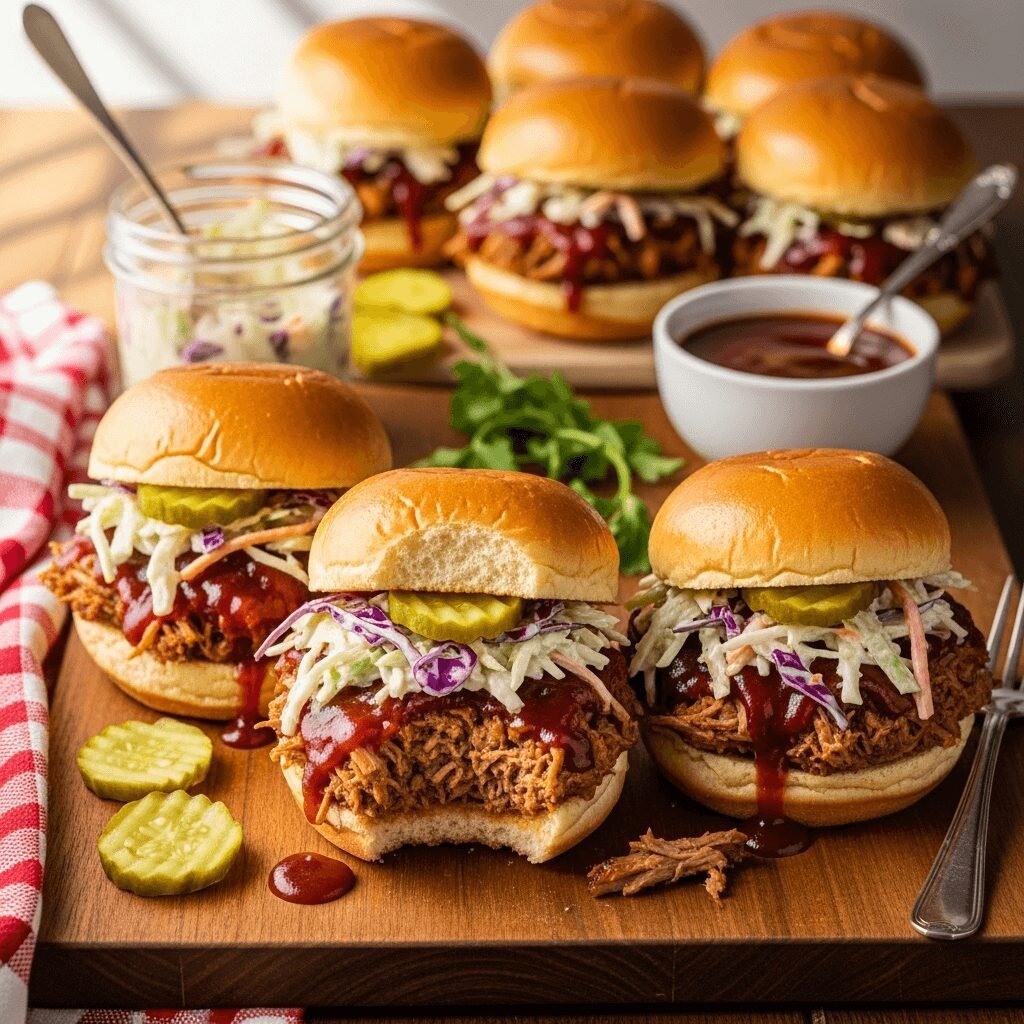
Pulled pork sliders are the ultimate crowd-pleasing party food that combines tender, juicy, slow-cooked pork shoulder with tangy barbecue sauce, all piled high on soft, pillowy slider buns. These miniature sandwiches pack maximum flavor into every bite and are incredibly versatile—perfect for game day gatherings, backyard barbecues, potlucks, birthday parties, or casual weeknight dinners when you want something special without the fuss.
What makes these BBQ pulled pork sliders so irresistible is the contrast of textures and flavors: the melt-in-your-mouth tender pork that’s been slow-cooked until it falls apart at the touch of a fork, the sweet and tangy barbecue sauce that coats every shred, the soft buns that soak up all those delicious juices, and the optional toppings like crunchy coleslaw, pickles, or crispy onions that add that perfect finishing touch.
The best part? This recipe is incredibly hands-off. Your slow cooker does all the heavy lifting while you go about your day. Simply season the pork, let it cook low and slow for 8-10 hours, shred it up, and assemble your sliders. Whether you’re feeding a crowd of 20 or meal prepping for the week ahead, these easy pulled pork sliders are a foolproof recipe that delivers restaurant-quality results every single time. They’re budget-friendly, endlessly customizable, and guaranteed to disappear within minutes of hitting the table. Trust me, you’ll want to double the recipe because everyone always comes back for seconds!
History / Background
Pulled pork has deep roots in American barbecue culture, with its origins tracing back to the Southern United States, particularly in North Carolina, South Carolina, Tennessee, and Georgia. The tradition of slow-cooking pork over low heat dates back centuries, influenced by Indigenous American cooking methods and later refined by European settlers and enslaved Africans who brought their own culinary traditions to the American South.
The technique of “pulling” pork—shredding the meat after long, slow cooking—developed as a practical way to make tougher cuts of meat tender and flavorful. Pork shoulder (also called pork butt or Boston butt, despite having nothing to do with the rear of the pig) was an affordable, readily available cut that became the standard for this cooking method. When cooked low and slow, the tough connective tissues break down into gelatin, creating that signature fall-apart texture that makes pulled pork so beloved.
Different regions developed their own distinctive styles of pulled pork. Eastern North Carolina favors a vinegar-based sauce with just a hint of heat, while western North Carolina (Lexington-style) adds tomato to the vinegar base. South Carolina is famous for its mustard-based sauces, and Tennessee and much of the deep South embrace thick, sweet, tomato-based barbecue sauces. Each region fiercely defends its approach as the “authentic” way to prepare pulled pork.
The slider concept—serving sandwiches in miniature form—gained popularity in the early 20th century with White Castle’s small hamburgers, but the combination of pulled pork and slider buns really took off in the late 1990s and early 2000s as casual dining restaurants and catering companies recognized the appeal of perfectly portioned, handheld party foods. Pulled pork sliders quickly became a staple at tailgates, wedding receptions, corporate events, and backyard parties across America.
Today, pulled pork sliders represent the perfect marriage of traditional Southern barbecue and modern entertaining. The slow cooker revolution made this once labor-intensive dish accessible to home cooks everywhere, allowing anyone to create tender, flavorful pulled pork without tending a smoker for 12 hours. These mini sandwiches honor the heritage of authentic barbecue while offering the convenience and versatility that modern home cooks need.
Why You’ll Love This Recipe
These slow cooker pulled pork sliders are about to become your go-to recipe for entertaining, and once you taste them, you’ll understand why they’re so addictive. This recipe delivers maximum flavor with minimum effort, making you look like a barbecue master without requiring any special equipment or expertise.
Here’s what makes these pulled pork sliders absolutely irresistible:
- Incredibly easy and hands-off – Your slow cooker does all the work while you sleep, work, or prepare other dishes; just 15 minutes of prep and you’re done
- Perfect for feeding a crowd – One pork shoulder makes 12-16 sliders, and the recipe scales easily for larger gatherings
- Budget-friendly – Pork shoulder is one of the most affordable cuts of meat, and you get tons of servings from a single roast
- Make-ahead friendly – The pork actually tastes better the next day as flavors meld, making it perfect for stress-free party planning
- Endless customization – Adjust the spice level, swap sauces, add your favorite toppings, or try different bun options to suit any taste
- Kid and adult approved – Even picky eaters love these tender, flavorful sliders, and adults appreciate the complex, smoky-sweet barbecue taste
- Impressive presentation – These look and taste restaurant-quality, yet require virtually no cooking skills
- Versatile serving options – Perfect for casual weeknight dinners, game day parties, potlucks, backyard BBQs, or even wedding receptions
- Freezer-friendly – Cook once and freeze portions for quick future meals when you need dinner in a hurry
- Minimal cleanup – Everything happens in your slow cooker, meaning fewer dishes to wash
- Guaranteed tender results – The low and slow cooking method ensures the pork is always perfectly tender and juicy, never dry
Whether you’re a novice cook or an experienced home chef, these BBQ pulled pork sliders give you confidence. The results are consistently amazing, and your guests will think you spent hours slaving over a smoker.
Ingredient Notes
Let’s break down the key ingredients that make these slow cooker pulled pork sliders so delicious and discuss the best options and possible substitutions:
Pork Shoulder (Pork Butt or Boston Butt) – This is the absolute best cut for pulled pork. Don’t let the name confuse you—pork butt actually comes from the shoulder area, not the rear. It’s well-marbled with fat and connective tissue that breaks down during long cooking, creating incredibly tender, juicy meat. Look for a 4-5 pound boneless pork shoulder for easier slicing and shredding. Bone-in works too but requires slightly longer cooking time. Avoid leaner cuts like pork loin, which will dry out during the long cooking process.
Dry Rub Seasonings – The spice rub creates a flavorful crust on the pork and seasons it throughout. A typical blend includes brown sugar (for caramelization and sweetness), paprika (for color and mild smokiness), garlic powder, onion powder, chili powder, cumin, salt, and black pepper. Smoked paprika adds extra depth if you want more smoky flavor without an actual smoker. You can buy pre-made pork rub or make your own blend—homemade gives you control over salt and spice levels.
Barbecue Sauce – This is where you can really customize the flavor profile. Use your favorite store-bought BBQ sauce or make homemade. Sweet and tangy Kansas City-style sauce is most popular, but vinegar-based Carolina sauces, mustard-based South Carolina sauce, or spicy Memphis-style sauces all work beautifully. You’ll need about 1-2 cups total—some mixed with the shredded pork and extra for serving.
Apple Cider Vinegar – Adds tanginess and helps tenderize the meat while balancing the sweetness of the rub and sauce. You can substitute with white vinegar or skip it entirely if using a vinegar-based barbecue sauce.
Liquid for Cooking – Some recipes add chicken broth, apple juice, or root beer to the slow cooker for extra moisture and flavor. The pork releases its own juices as it cooks, but a splash of liquid can enhance flavor. Apple juice adds subtle sweetness that complements pork beautifully.
Slider Buns – Hawaiian sweet rolls are the most popular choice for pulled pork sliders because their slight sweetness perfectly complements the savory, tangy pork. Regular dinner rolls, potato rolls, or brioche buns also work wonderfully. For larger appetites, use regular-sized hamburger buns instead of sliders.
Optional Toppings – Classic coleslaw (creamy or vinegar-based) adds crunch and coolness, dill pickle chips provide tangy contrast, crispy fried onions give texture, sliced jalapeños bring heat, and extra BBQ sauce lets guests customize their sliders.
Equipment Needed
This recipe requires minimal equipment, making it accessible for any kitchen:
- 6-8 quart slow cooker – Essential for cooking the pork low and slow; a larger capacity allows the pork to cook evenly
- Small bowl – For mixing the dry rub spices together
- Measuring spoons – For accurate seasoning measurements
- Tongs or large forks – For removing cooked pork from the slow cooker and shredding it
- Large cutting board – For shredding the pork; use one with a groove to catch juices
- Sharp knife – For trimming excess fat from the pork shoulder before cooking
- Large mixing bowl – For tossing the shredded pork with barbecue sauce
- Baking sheet (optional) – If you want to toast the assembled sliders in the oven for extra deliciousness
- Aluminum foil or slow cooker liner (optional) – Makes cleanup even easier
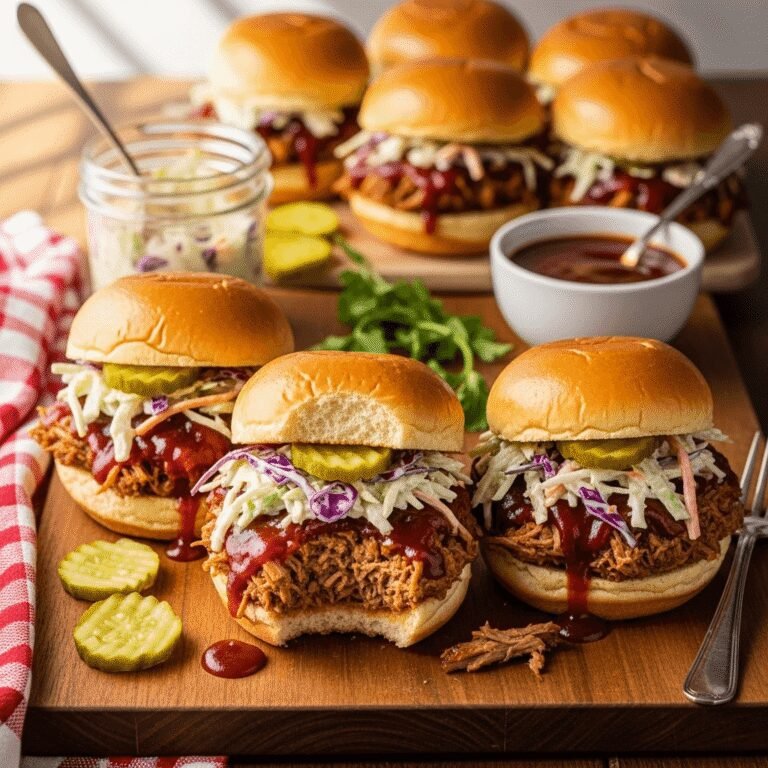
Pulled Pork Sliders Recipe
Tender, juicy slow cooker pulled pork piled high on soft slider buns with tangy barbecue sauce. These easy BBQ pulled pork sliders are perfect for parties, game day, or casual dinners and require just 15 minutes of prep time!
- Total Time: 8 hours 15 minutes
- Yield: 12-16 sliders 1x
Ingredients
For the Pulled Pork:
- 4-5 pounds boneless pork shoulder (pork butt/Boston butt)
- 3 tablespoons brown sugar
- 2 tablespoons paprika (smoked paprika for extra flavor)
- 1 tablespoon garlic powder
- 1 tablespoon onion powder
- 1 tablespoon chili powder
- 1 teaspoon ground cumin
- 2 teaspoons salt
- 1 teaspoon black pepper
- ½ teaspoon cayenne pepper (optional, for heat)
- ½ cup apple cider vinegar
- ½ cup chicken broth or apple juice
- 1½-2 cups barbecue sauce, divided
For the Sliders:
- 12-16 slider buns or Hawaiian sweet rolls
- Coleslaw (optional but recommended)
- Dill pickle chips (optional)
- Extra BBQ sauce for serving
- Butter for toasting buns (optional)
Instructions
Step 1: Prepare the Pork
Remove the pork shoulder from refrigerator and let it sit at room temperature for 20-30 minutes. Pat it completely dry with paper towels—this helps the rub adhere better. Trim any excess fat cap down to about ¼ inch thickness. You want some fat for flavor and moisture, but too much creates greasy pulled pork.
Step 2: Make the Dry Rub
In a small bowl, combine brown sugar, paprika, garlic powder, onion powder, chili powder, cumin, salt, black pepper, and cayenne pepper (if using). Mix thoroughly until well combined and no clumps remain.
Step 3: Season the Pork
Generously coat the entire pork shoulder with the dry rub mixture, pressing it into the meat so it adheres well. Make sure to season all sides thoroughly—don’t be shy! This creates amazing flavor throughout the meat.
Step 4: Add Liquid to Slow Cooker
Pour apple cider vinegar and chicken broth (or apple juice) into the bottom of your slow cooker. This creates steam and moisture during cooking. Place the seasoned pork shoulder in the slow cooker, fat side up if there’s a fat cap remaining.
Step 5: Slow Cook
Cover and cook on LOW for 8-10 hours, or on HIGH for 5-6 hours. The pork is done when it’s fork-tender and easily shreds apart. An internal temperature of 195-205°F is ideal for pulled pork—this high temperature breaks down all the connective tissue. Don’t worry about overcooking; pork shoulder is very forgiving.
Step 6: Rest and Shred
Carefully transfer the cooked pork to a large cutting board (it will be very tender and may fall apart). Let it rest for 10-15 minutes to allow juices to redistribute. Using two forks or your hands (with heat-safe gloves), shred the pork into bite-sized pieces. Discard any large pieces of fat or connective tissue.
Step 7: Skim the Cooking Liquid
Use a spoon or fat separator to skim off excess fat from the cooking liquid remaining in the slow cooker. The liquid underneath is pure gold—concentrated pork flavor that shouldn’t be wasted.
Step 8: Combine with Sauce
Place the shredded pork in a large bowl. Add ½-1 cup of the defatted cooking liquid to keep the meat moist. Pour 1-1½ cups of your barbecue sauce over the pork and toss everything together until well combined. Taste and adjust seasoning if needed—add more sauce, salt, or a splash of vinegar to brighten flavors.
Step 9: Assemble Sliders
Slice your slider buns in half. Pile generous portions of pulled pork onto the bottom buns. Top with coleslaw and pickles if desired, then place the top buns on. For extra deliciousness, you can butter the outsides of the assembled sliders and toast them on a griddle or in a 350°F oven for 5-7 minutes until the buns are golden and slightly crispy.
Step 10: Serve
Arrange sliders on a platter and serve immediately with extra BBQ sauce, coleslaw, and pickles on the side. Watch them disappear!
Notes
- Pork temperature matters – For the best texture, cook until internal temperature reaches 195-205°F, not just 145°F (the safe temperature). The higher temp breaks down collagen.
- Don’t add BBQ sauce during cooking – Adding sauce too early can make it overly sweet and burnt-tasting. Always mix sauce with shredded pork after cooking.
- Sauce amount is flexible – Start with less sauce and add more to taste. Some people prefer saucier pulled pork, others like it drier.
- Make it ahead – The pork tastes even better the next day. Cook, shred, and refrigerate, then reheat gently before serving.
- Instant Pot option – Cook on high pressure for 90 minutes with natural release for faster results (total time about 2.5 hours).
- Oven method – Roast seasoned pork at 300°F for 5-6 hours, covered tightly with foil, until fork-tender.
- Prep Time: 15 minutes
- Cook Time: 8-10 hours (slow cooker on LOW)
- Category: Main Dish
- Method: Slow Cooker
- Cuisine: American
- Diet: Gluten Free
Nutrition
- Serving Size: 1 slider (with bun, pork, and sauce)
- Calories: 385
- Sugar: 14g
- Sodium: 745mg
- Fat: 16g
- Saturated Fat: 5g
- Unsaturated Fat: 10g
- Trans Fat: 0g
- Carbohydrates: 35g
- Fiber: 1g
- Protein: 24g
- Cholesterol: 75mg
Tips & Variations
Carolina-Style Pulled Pork:
Skip the sweet BBQ sauce and toss the shredded pork with a tangy vinegar-based sauce instead. Mix ½ cup apple cider vinegar, 2 tablespoons brown sugar, 1 tablespoon hot sauce, 1 teaspoon red pepper flakes, and salt to taste. This Eastern North Carolina style is lighter and lets the pork flavor shine.
Hawaiian Pulled Pork Sliders:
Add pineapple! Mix diced fresh or canned pineapple with the pulled pork, or top each slider with a pineapple ring and teriyaki glaze instead of BBQ sauce. Use Hawaiian sweet rolls for authentic island vibes.
Spicy Kicked-Up Version:
Increase cayenne in the rub to 1 teaspoon, add sliced jalapeños or hot sauce to the pork, and top sliders with pepper jack cheese and spicy pickled onions. Use a spicy BBQ sauce or add sriracha to regular sauce.
Asian-Inspired Sliders:
Skip traditional BBQ sauce and toss pork with hoisin sauce, soy sauce, and rice vinegar. Top with quick-pickled cucumbers, cilantro, and sriracha mayo for fusion-style pulled pork sliders.
Make Them Cheesy:
Add a slice of sharp cheddar, pepper jack, or smoked gouda to each slider. Place assembled sliders on a baking sheet, cover with foil, and bake at 350°F for 10 minutes until cheese melts.
Lighter Version:
Use less sauce (or a sugar-free BBQ sauce), skip the butter on buns, and pile high with extra coleslaw for added vegetables and crunch with fewer calories.
Instant Pot Method:
For faster results, cook seasoned pork in an Instant Pot with ½ cup liquid on high pressure for 90 minutes with natural pressure release. Shred and proceed with recipe.
Crispy Slider Topping Bar:
Set up a DIY topping station with options like creamy coleslaw, vinegar slaw, pickles, jalapeños, crispy fried onions, shredded cheese, and multiple BBQ sauce varieties so guests can customize their sliders.
Pro Chef Tips
Choose the Right Cut:
Always use pork shoulder (Boston butt) for pulled pork, never pork loin. Shoulder has the necessary fat and connective tissue that creates tender, juicy pulled pork. Loin is too lean and will dry out during long cooking, resulting in tough, stringy meat.
Don’t Skip the Rub Rest Time:
For even better flavor, apply the dry rub to the pork the night before and refrigerate uncovered overnight. This allows the spices to penetrate deeper and the surface to dry out slightly, creating a better crust during cooking.
Fat Side Up or Down?
Place the pork fat side up in the slow cooker. As it cooks, the fat renders and bastes the meat naturally, keeping it moist throughout the long cooking time. If your slow cooker heats from the bottom (most do), fat side up protects the meat from direct heat.
The Higher Temperature Secret:
Many people pull pork at 145°F (safe temperature), but pulled pork needs 195-205°F internal temperature. This higher heat breaks down tough collagen into gelatin, creating that signature fall-apart texture. Use a meat thermometer to check—it’s worth the investment.
Save That Cooking Liquid:
Don’t throw away the liquid from the slow cooker! After skimming the fat, this concentrated pork essence (called “au jus”) is liquid gold. Mix some back into the shredded pork for incredible moisture and flavor. Freeze extra for making soups, beans, or braising greens.
Let It Rest Before Shredding:
Resist the urge to shred immediately. Let the pork rest on a cutting board for 10-15 minutes after cooking. This allows juices to redistribute throughout the meat rather than running out onto the board, keeping your pulled pork moister.
Shred Against the Grain:
When pulling the pork apart, notice the direction of the muscle fibers and shred perpendicular to them. This creates shorter, more tender pieces that are easier to eat rather than long, stringy strands.
Toast Those Buns:
Taking the extra 5 minutes to butter and toast your slider buns (either in a skillet, on a griddle, or in the oven) makes a huge difference. Toasted buns hold up better to juicy pulled pork without getting soggy and add delicious texture contrast.
Common Mistakes to Avoid
Using the Wrong Cut of Meat:
Pork tenderloin or pork loin are NOT suitable for pulled pork. These lean cuts will dry out and become tough during long cooking. Only pork shoulder (sometimes labeled Boston butt or pork butt) has enough fat and connective tissue to create tender, juicy pulled pork. Don’t let a butcher substitute another cut.
Adding BBQ Sauce Too Early:
Never add barbecue sauce to the slow cooker at the beginning of cooking. The sugars in BBQ sauce can burn during the long cooking time, creating bitter, overly caramelized flavors. Always wait until after shredding to mix in sauce. The only liquids going in the slow cooker should be broth, juice, or vinegar.
Not Cooking Long Enough:
Pulled pork takes TIME. If your pork is tough or difficult to shred, it simply hasn’t cooked long enough. The meat needs to reach 195-205°F internally for the collagen to fully break down. Rushing the process by using high heat for too short a time yields disappointing results. Low and slow wins every time.
Drowning the Pork in Sauce:
More sauce isn’t always better. Too much BBQ sauce can overpower the flavorful pork you just spent hours cooking. Start with less sauce than you think you need—you can always add more. The goal is to coat the pork, not drown it in a pool of sauce.
Not Trimming Excess Fat:
While some fat is necessary for flavor and moisture, leaving too much fat creates greasy, unpleasant pulled pork. Trim the fat cap down to about ¼ inch before cooking, and remove any large chunks of fat when shredding. Your guests will appreciate not biting into pockets of fat.
Forgetting to Season Adequately:
Pork shoulder is a large piece of meat that needs generous seasoning. Don’t be timid with the dry rub—use the full amount and press it into all surfaces of the meat. Under-seasoned pork tastes bland no matter how much sauce you add later.
Storage & Meal Prep
Refrigerator Storage:
Store leftover pulled pork in an airtight container in the refrigerator for up to 4-5 days. Keep the pork separate from the buns to prevent sogginess. For best results, store the pork with a little cooking liquid or extra sauce to keep it moist.
Reheating Methods:
The best way to reheat pulled pork is low and slow, just like cooking it. Place pork in a covered baking dish with a splash of broth or water, and heat at 300°F for 20-30 minutes until warmed through. You can also reheat in a slow cooker on LOW for 1-2 hours, or microwave in short intervals, stirring between, until hot. Always add a little liquid when reheating to prevent drying out.
Meal Prep Strategy:
Pulled pork is a meal prep champion. Cook a large batch on Sunday, portion it into individual containers with buns and toppings stored separately, and you have easy lunches or dinners for the week. The pork actually improves in flavor as it sits and the seasonings meld.
Portion Control:
One 4-5 pound pork shoulder yields about 3-3.5 pounds of shredded meat after cooking and trimming fat. Plan on about 3-4 ounces of pulled pork per slider, so you’ll get 12-16 sliders from one roast.
Make-Ahead & Freezer Notes
Cook Ahead for Parties:
This is the BEST make-ahead party food. Cook the pork 1-2 days before your event, shred it, mix with just enough sauce to moisten, and refrigerate. Reheat gently in the slow cooker on LOW for 2-3 hours before serving, adding more sauce as needed. The flavors actually improve overnight as everything melds together.
Freezing Cooked Pulled Pork:
Pulled pork freezes beautifully for up to 3 months. Let the shredded, sauced pork cool completely, then portion into freezer bags or containers. Remove as much air as possible to prevent freezer burn. Freeze flat for easier stacking and faster thawing. Label with date and contents.
Freezing in Portions:
Divide pulled pork into meal-sized portions (enough for 4 sliders, 6 sliders, etc.) before freezing. This way you can thaw only what you need rather than the entire batch. Vacuum-sealing works even better than regular freezer bags for long-term storage.
Thawing and Reheating Frozen Pork:
Thaw frozen pulled pork in the refrigerator overnight. Reheat in a covered dish at 300°F with a splash of liquid, or in the slow cooker on LOW for 2-3 hours. You can also reheat from frozen—just add 50% more time and a bit more liquid.
Don’t Freeze the Buns:
While you can technically freeze slider buns, they often get freezer burn and lose quality. It’s better to buy fresh buns when you’re ready to serve. However, many slider buns have a decent shelf life and can be purchased a few days ahead.
Assembly Line Approach:
If hosting a large party, you can assemble all the sliders a few hours ahead (without toasting). Place them on baking sheets, cover tightly with plastic wrap, and refrigerate. When ready to serve, remove wrap, brush tops with butter, and warm in a 325°F oven for 15 minutes.
Serving Suggestions
These versatile BBQ pulled pork sliders pair beautifully with countless sides and work for any casual gathering:
Classic BBQ Sides:
Serve alongside traditional barbecue accompaniments like creamy coleslaw, baked beans, mac and cheese, corn on the cob, potato salad, cornbread, or collard greens. These Southern staples create an authentic BBQ spread that guests expect and love.
Fresh and Crunchy Sides:
Balance the rich, tender pork with lighter options like watermelon salad, cucumber tomato salad, green salad with vinaigrette, grilled vegetables, or fresh vegetable crudités with ranch dip.
Comfort Food Pairings:
Complement the sliders with loaded potato skins, french fries, onion rings, fried pickles, hush puppies, or jalapeño poppers for an indulgent, crowd-pleasing spread.
Game Day Spread:
Create an epic game day table with pulled pork sliders as the main attraction, plus buffalo wings, nachos, chips and dips, vegetable platters, and plenty of cold beverages.
Toppings Bar:
Set up a DIY slider bar with various toppings so guests can customize: multiple BBQ sauce varieties (sweet, spicy, vinegar-based), creamy coleslaw, vinegar slaw, dill pickles, bread and butter pickles, jalapeños, crispy fried onions, shredded cheese, and sliced red onions.
Beverage Pairings:
These sliders pair wonderfully with cold beer (especially lagers, IPAs, or amber ales), sweet tea, lemonade, root beer floats, or craft sodas. For wine lovers, try Zinfandel or Syrah.
Make It a Meal:
While sliders are often served as appetizers or party food, they make a complete meal when paired with two or three sides. A pulled pork slider with coleslaw on top, served alongside mac and cheese and baked beans, is pure comfort food perfection.
FAQs Section
Can I make pulled pork without a slow cooker?
Absolutely! You have several options. In the oven: Season the pork, place in a roasting pan with liquid, cover tightly with foil, and roast at 300°F for 5-6 hours. In an Instant Pot: Cook on high pressure for 90 minutes with natural release (about 2.5 hours total). On the stovetop: Brown the seasoned pork in a Dutch oven, add liquid, cover, and simmer on very low heat for 4-5 hours. All methods work—slow cooker is just the most hands-off.
What if my pork is tough after cooking?
It needs more time! Tough pork means the connective tissue hasn’t fully broken down yet. Put it back in the slow cooker for another 1-2 hours on LOW. Pulled pork is very forgiving—it’s almost impossible to overcook in a slow cooker. The meat should literally fall apart when you touch it with a fork.
How much pulled pork per person?
For sliders, plan on 3-4 ounces of pulled pork per person (about 2-3 sliders each). If serving as a main course with substantial sides, 4-6 ounces per person is better. For a party where other food is available, assume people will eat 2 sliders each.
Can I use a bone-in pork shoulder?
Yes, bone-in works perfectly and some people prefer it for extra flavor. Just increase cooking time by about 1 hour since the bone slows heat penetration. The bone will pull out cleanly when the meat is done. Bonus: use the bone to make pork broth later!
What’s the best BBQ sauce for pulled pork?
It’s entirely personal preference! Sweet and thick Kansas City-style sauce is most popular for sliders. Tangy vinegar-based Carolina sauces are traditional but less common. Try different styles or offer a variety so guests can choose. Many people mix two types together for balanced flavor.
Why is it called pork butt if it’s from the shoulder?
Great question! The name dates back to colonial times when pork shoulder cuts were stored and shipped in barrels called “butts.” The name stuck, though it has nothing to do with the animal’s rear end. “Boston butt” refers to the upper portion of the shoulder, which is perfect for pulled pork.
Can I make these gluten-free?
Yes, very easily! The pulled pork itself is naturally gluten-free as long as you check that your BBQ sauce and spices don’t contain gluten (most don’t, but always check labels). Simply use gluten-free slider buns or serve the pulled pork over rice, in lettuce wraps, or on baked sweet potatoes.
What causes pulled pork to be dry?
Several factors: using the wrong cut (pork loin instead of shoulder), not cooking long enough (collagen needs time to break down), cooking at too high a temperature, or not adding any of the cooking liquid back to the shredded meat. Always save and use some of that flavorful cooking liquid to keep the pork moist.
Conclusion
There you have it—everything you need to know to make tender, flavorful, crowd-pleasing BBQ pulled pork sliders that will have everyone asking for your secret! These slow cooker pulled pork sliders prove that impressive, delicious food doesn’t have to be complicated or time-consuming. With just 15 minutes of prep work and your trusty slow cooker doing the heavy lifting, you can create restaurant-quality pulled pork that’s perfect for any occasion.
Whether you’re planning a big game day party, hosting a backyard barbecue, bringing a dish to a potluck, or simply want an easy weeknight dinner that feels special, these mini sandwiches deliver every single time. The combination of tender, juicy pork with tangy barbecue sauce and soft slider buns is absolutely irresistible, and the best part is how versatile and forgiving this recipe is. You can customize the flavors, adjust the heat level, and add your favorite toppings to make these sliders uniquely yours.
I’d love to hear how your pulled pork sliders turn out! Drop a comment below and let me know what BBQ sauce and toppings you chose, whether you served them for a special occasion or a casual dinner, and how quickly they disappeared (because trust me, they always disappear fast!). If you loved this easy BBQ pulled pork slider recipe, please share it on Pinterest so other home cooks can discover how simple it is to make amazing pulled pork at home. Pin it to your party food board, game day recipes, or slow cooker meals collection!
Now grab that pork shoulder, fire up your slow cooker, and get ready to become the MVP of your next gathering. Happy cooking, and enjoy every delicious bite! 🍔